Building a water bottling plant in Nigeria is one of the most attractive manufacturing investments in West Africa today. With a population of over 220 million, rapid urbanization, unreliable municipal water supply, and growing health awareness, demand for bottled drinking water continues to rise year after year.
However, success in Nigeria’s water business does not come from buying machines alone. Investors must clearly understand regulations, water sources, production capacity planning, equipment selection, and long-term operating costs.
This complete guide walks you step by step through how to build a water bottling plant in Nigeria, from early planning to commissioning and market launch. The article is written for first-time investors, entrepreneurs, and factory owners looking for a practical, real-world roadmap.
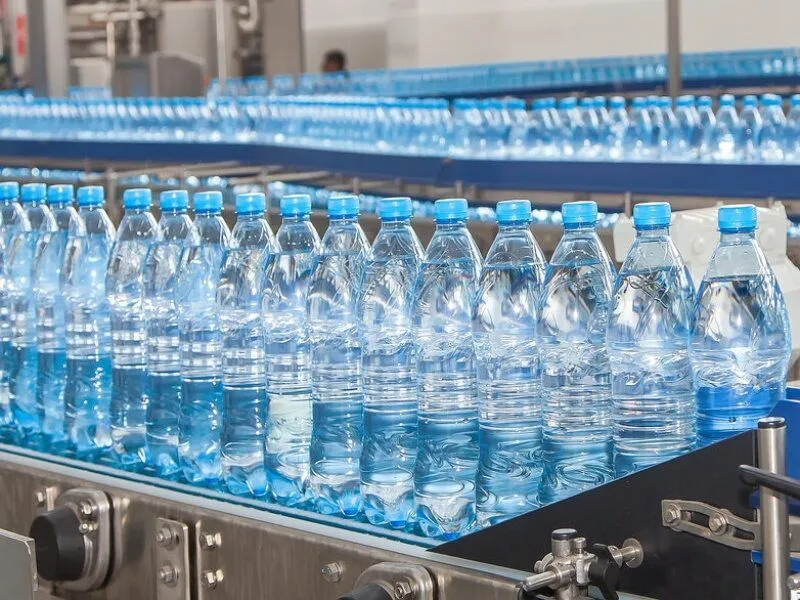
Why Invest in a Water Bottling Plant in Nigeria?
Nigeria is one of the fastest-growing bottled water markets in Africa, driven by strong and consistent consumer demand.
Several key factors support this growth:
Unreliable public water supply across most states
Rapid expansion of the middle class and urban population
Steady demand from offices, schools, hospitals, hotels, and retail outlets
Year-round consumption due to Nigeria’s warm climate
Compared with many other manufacturing sectors, bottled water production offers clear advantages:
Stable and recurring market demand
Scalable investment options, from small plants to large industrial facilities
Faster setup and market entry timelines
With proper planning, the right equipment, and a clear market strategy, a water bottling plant in Nigeria can deliver predictable cash flow and sustainable long-term growth.
Step 1: Market Research and Business Planning
Before selecting equipment or contacting suppliers, it is essential to clearly define your market positioning and business direction.
Start by answering these key questions:
Which state or city will the plant serve?
Will you focus on retail distribution, wholesale supply, or institutional clients?
Are you targeting a local mass-market brand or a premium bottled water segment?
Which bottle sizes will you produce (50 cl, 75 cl, 1.5 L, 5 L)?
In Nigeria, competition is most intense in major cities such as Lagos, Abuja, Port Harcourt, and Ibadan. While these markets offer high volume, regional and secondary cities often provide better margins, lower distribution pressure, and faster market penetration.
A well-structured business plan should clearly outline:
Target production capacity (bottles per hour, BPH)
Total investment budget
Estimated operating costs
Pricing and sales assumptions
Expected break-even timeline
Strong planning at this stage reduces risk and lays the foundation for a sustainable and scalable water bottling business.
Step 2: Water Source Selection and Approval
The quality of your water source directly determines product safety, regulatory compliance, and long-term brand credibility.
In Nigeria, the most commonly used water sources for bottled water production include:
Borehole water – the most widely used and practical option
Spring water – location dependent and subject to geological conditions
Treated municipal water – less common, mainly used in urban areas
Before any equipment installation begins, the selected water source must be tested by an approved laboratory to confirm compliance with Nigerian drinking water standards.
Water quality approval is a mandatory requirement and must be secured before proceeding with factory licensing, equipment commissioning, and commercial production.
Step 3: Regulatory Requirements in Nigeria
Water bottling plants in Nigeria must comply with regulations from multiple government and regulatory authorities to legally operate.
Key approvals typically include:
NAFDAC registration for bottled water products
State environmental permits and waste management approval
Water source approval from relevant authorities
Factory layout inspection to ensure hygiene and process compliance
Product labeling approval in line with Nigerian standards
It is important to note that regulatory procedures may vary slightly from one state to another. Working with experienced local consultants or regulatory professionals can significantly reduce delays and help streamline the approval process.
Step 4: Choosing the Right Production Capacity for Nigeria
One of the most common mistakes investors make when building a water bottling plant in Nigeria is selecting production capacity without a clear market-driven strategy. Production capacity directly affects investment size and return on investment. For a more detailed breakdown of budget planning, you can also review our guide on water bottling plant cost in Nigeria to better understand equipment, installation, and operating expenses.
In the Nigerian market, typical bottled water production capacities include:
Small-scale plants: 2,000–3,000 bottles per hour (BPH), suitable for local and regional distribution
Medium-scale plants: 6,000–10,000 BPH, ideal for city-level markets and growing brands
Industrial-scale plants: 12,000–24,000 BPH, designed for high-volume, multi-city distribution
When choosing the right capacity for a Nigerian water bottling plant, investors should carefully evaluate:
Target market size and daily demand
Distribution and logistics capabilities
Power supply stability and backup systems
Labor availability and operating efficiency
Total investment budget and expected return on investment (ROI)
Starting with a scalable water bottling line allows investors to expand production capacity in the future without replacing the entire system, reducing long-term capital risk and supporting sustainable growth.
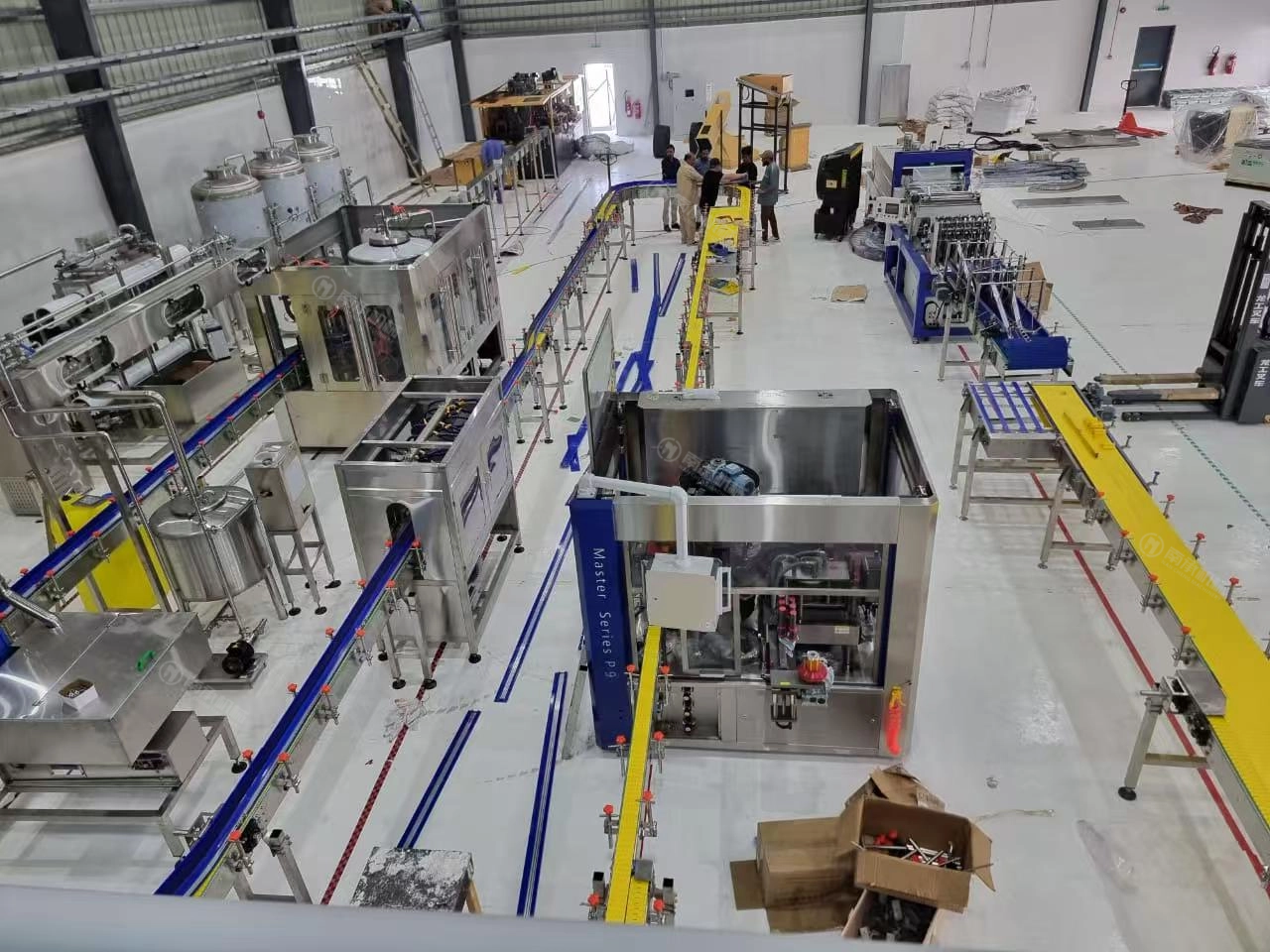
Step 5: Water Treatment System Design for Bottled Water in Nigeria
Water treatment is the foundation of every successful water bottling plant in Nigeria. The quality and stability of the treatment system directly affect product safety, taste consistency, and regulatory compliance.
A standard bottled water treatment process in Nigeria typically includes:
Raw water storage and buffering
Multimedia filtration to remove suspended solids
Activated carbon filtration for odor, color, and chlorine removal
Water softening, if required based on raw water hardness
Reverse osmosis (RO) for dissolved solids and contaminants removal
UV sterilization for microbial control
Ozone disinfection to ensure product safety and shelf stability
The treatment system must be carefully designed to match both the raw water quality and the daily production capacity of the bottling plant.
A well-engineered water treatment system ensures consistent water quality, reliable operation, and long-term compliance with Nigerian drinking water standards.
Step 6: Selecting the Bottling Line Equipment in Nigeria
The bottling line is the core production system that converts treated water into sealed, market-ready bottled products. Equipment selection directly affects production efficiency, hygiene standards, and long-term operating costs.
A complete water bottling line in Nigeria typically includes:
PET bottle blowing machine
Bottle rinsing, filling, and capping monoblock
Cap elevator and automatic cap sorter
Labeling machine for brand and regulatory labels
Date coding system for batch traceability
Shrink wrapping or carton packing machine for secondary packaging
Choosing the right water filling machine is critical to ensure stable output, hygienic operation, and easy maintenance over the life of the plant.
The level of automation should be selected based on local labor availability and cost, target production capacity, and energy conditions in Nigeria. A well-matched automation strategy improves efficiency while controlling operational expenses.
Step 7: Factory Layout and Infrastructure Planning
A well-designed factory layout is essential for efficient production, regulatory compliance, and smooth daily operations in a Nigerian water bottling plant.
Key layout and infrastructure considerations include:
Clear separation of raw material flow and finished product flow to prevent cross-contamination
Dedicated clean and non-clean zones in line with hygiene requirements
Adequate floor drainage to support washdown and sanitation
Reliable power backup systems, such as generators or solar hybrid solutions, to address power instability
A properly sized compressed air system to support filling, blowing, and packaging equipment
Good factory layout planning not only improves operational efficiency but also simplifies future capacity expansion and regulatory inspections.
Step 8: Packaging, Bottles, and Consumables
Packaging and consumables account for a significant portion of the operating costs in a water bottling plant in Nigeria. Proper selection and cost control in this area directly impact long-term profitability.
Key consumables typically include:
PET preforms for bottle production
Bottle caps suitable for food-grade applications
Labels that comply with branding and regulatory requirements
Shrink film or cartons for secondary packaging
Sourcing packaging materials locally can help reduce logistics costs and lead times. However, quality consistency must be carefully verified to ensure stable production and product appearance.
Bottle design and packaging specifications should align with Nigerian market preferences, transportation conditions, and distribution channels to minimize damage and maximize brand acceptance.
Step 9: Installation, Testing, and Commissioning
Professional installation and commissioning are critical to ensuring stable, long-term operation of a water bottling plant in Nigeria.
The commissioning process typically includes:
Precise equipment alignment and mechanical inspection
Electrical and pneumatic system testing
Water quality validation to confirm treatment performance
Trial production runs to verify output stability and filling accuracy
Operator training to ensure safe and efficient daily operation
A complete water bottling plant should only enter commercial production after all systems have passed successful trial runs. Proper commissioning reduces startup risks, minimizes downtime, and ensures consistent product quality from day one.
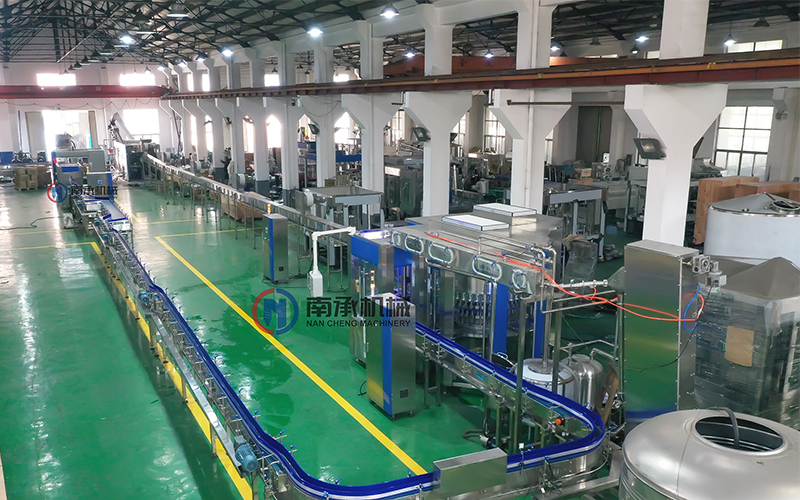
Step 10: Staffing, Training, and Daily Operations
Efficient staffing and proper training are essential for the smooth daily operation of a water bottling plant in Nigeria.
A typical Nigerian water bottling plant requires:
Production operators for bottling and packaging lines
Quality control personnel to monitor water quality and hygiene standards
Maintenance technicians to handle routine servicing and troubleshooting
Warehouse staff for raw materials and finished product management
Establishing clear standard operating procedures (SOPs) and conducting regular training sessions help reduce equipment downtime, improve operational efficiency, and ensure consistent product quality.
Step 11: Marketing, Distribution, and Brand Positioning
Production capacity alone does not guarantee success in Nigeria’s bottled water market. Strong marketing, reliable distribution, and clear brand positioning are essential to building a sustainable business.
Effective market strategies typically include:
Establishing long-term partnerships with distributors and wholesalers
Expanding retail penetration across shops, supermarkets, and institutions
Using branded delivery vehicles to increase visibility and trust
Maintaining consistent pricing policies to protect margins and distributor relationships
In the bottled water industry, brand trust plays a decisive role in customer loyalty and repeat sales. Consistent quality, reliable supply, and professional presentation help build a strong market presence over time.
Step 12: Choosing the Right Equipment Partner
Choosing the right equipment partner is one of the most critical decisions when building a water bottling plant in Nigeria. The machinery supplier you work with will directly affect project timelines, production stability, compliance, and long-term operating costs. Investors are encouraged to compare suppliers carefully based on experience, technical capability, and after-sales support. You may also refer to this industry overview on Top 10 Water Bottling Machine Manufacturers in Nigeria to better understand the local and international supplier landscape.
Nancheng Machinery provides complete turnkey solutions for water bottling plants, supporting investors from project planning to stable commercial production. The solution scope includes:
Water treatment systems tailored to local raw water conditions
PET bottle blowing machines
Water filling and packaging lines
Factory layout design and process optimization
On-site installation and operator training
Long-term technical support and spare parts supply
With extensive international project experience and deep understanding of emerging markets, Nancheng Machinery helps investors reduce technical risk, shorten startup time, and accelerate successful market entry in Nigeria.
Final Thoughts
Building a water bottling plant in Nigeria is a proven and sustainable business opportunity when approached with careful planning and professional execution.
From water source selection and regulatory compliance to equipment choice and factory setup, every stage of the project plays a critical role in long-term success. Working with an experienced turnkey supplier allows investors to focus on market development while ensuring stable production, consistent quality, and operational reliability.
If you are planning to invest in a water bottling project in Nigeria, choosing the right production solution and equipment partner is the first and most important step toward building a profitable and scalable bottled water business.
 English
 العربية
 Français
 Русский
 Español
 Português
 Deutsch
 italiano
 Nederlands
 Tiếng Việt
 ไทย
ไทย Polski
 Türkçe
 አማርኛ
አማርኛ Bahasa Melayu
 Filipino
 Bahasa Indonesia
 magyar
 Română
 Čeština
 Монгол
 қазақ
қазақ Српски
 हिन्दी
 فارسی
فارسی Kiswahili
 Slovenčina
 Slovenščina
 Norsk
Norsk Svenska
 українська
 Suomi
Suomi Հայերեն
 Dansk
Dansk اردو
اردو Shqip
Shqip বাংলা
বাংলা Hrvatski
 Eesti keel
 සිංහල
සිංහල नेपाली
 Oʻzbekcha
 latviešu
 Azərbaycan dili
 Български
 ქართული
 Hausa
Hausa Igbo
Igbo Lietuvių
 Soomaali
 Yorùbá


