| Item | PET Bottle Carbonated Filling | Glass Bottle Carbonated Filling | Can Carbonated Filling |
| Container Material | PET plastic | Glass | Aluminum |
| Typical Applications | Mass-market CSD, energy drinks | Returnable bottles, regional brands | Beer, soda, sparkling drinks |
| Container Handling | Neck handling | Bottom support | Can body handling |
| Container Weight | Lightweight | Heavy | Lightweight |
| Breakage Risk | Very low | Higher (glass material) | Very low |
| Typical Production Speed | High-speed | Medium to high-speed | Very high-speed |
| Filling Method | Isobaric filling | Isobaric filling | Isobaric filling |
| Common Closure Type | Plastic screw cap | Crown cap / Aluminum screw cap | Can seaming (seamer) |
| Line Configuration | Blower + filler + capper | Depalletizer + washer + filler | Can depalletizer + filler + seamer |
| Maintenance Focus | Neck grippers, air conveyors | Star wheels, bottle guides | Seaming rollers, lid feeding |
| Typical Market Usage | Water & soft drink factories | Traditional & RGB markets | Beverage & brewery lines |
| Production capacity range | 3000-24000bph | 3000-18000bph | 6000-36000cph |


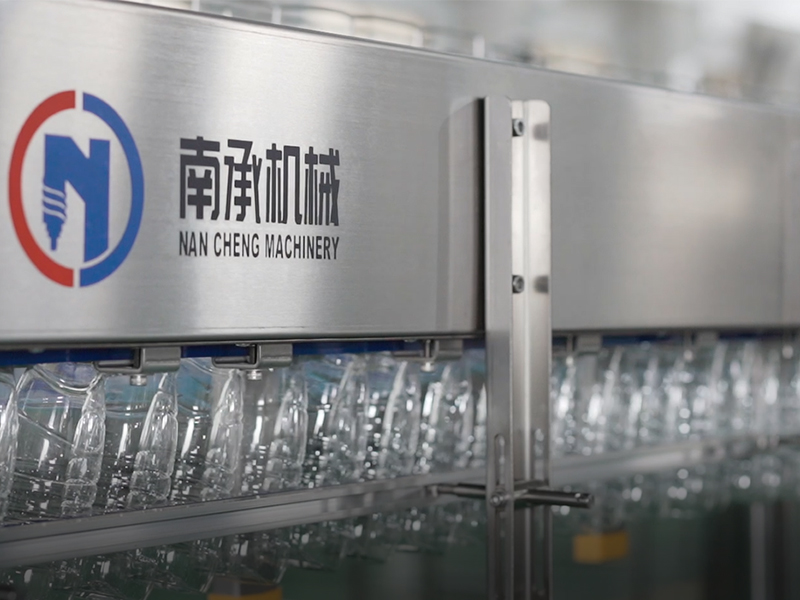
Wide Bottle Size Flexibility: 200ml-2L(PET Bottle)


cabo


Yes. A reliable carbonated beverage filling machine manufacturer typically provides:
Installation and commissioning guidance
Operator training
Remote technical support
Spare parts supply
Long-term service support
This ensures stable operation and production continuity after installation.
Each packaging type has advantages:
PET bottles: lightweight, cost-effective, ideal for mass-market soda
Glass bottles: premium appearance, reusable, popular for beer
Cans: excellent carbonation retention, fast cooling, strong branding
A flexible carbonated filling system allows producers to expand into multiple packaging formats.
Typical requirements include:
Electricity (customized for local voltage and frequency)
Compressed air
CO₂ supply
Chilled water (recommended filling temperature: 0–4°C)
Utility configuration can be adapted based on regional standards and plant conditions.
Yes. Most modern carbonated beverage filling lines support automatic or semi-automatic CIP systems, including:
Filling valves
Product pipelines
Mixing and buffer tanks
CIP capability is essential for carbonated drink hygiene control and fast product changeover.
High-quality carbonated beverage filling machines use:
SUS304 or SUS316 stainless steel for all liquid-contact parts
Food-grade seals and valves
Hygienic design compliant with international standards
This ensures corrosion resistance, easy cleaning, and long-term food safety.
Yes. A properly designed isobaric filling machine is suitable for:
Carbonated beer
Lager and craft beer
Carbonated soft drinks
Sparkling water
Energy drinks
For beer applications, optional features such as CO₂ purging, de-foaming devices, and low oxygen filling valves are recommended.
Carbonated beverage filling machines are available in a wide capacity range, such as:
Small scale: 1,000 – 3,000 BPH
Medium scale: 4,000 – 10,000 BPH
High speed: 12,000 – 24,000 BPH and above
Capacity selection depends on:
Container type (PET, glass, can)
Beverage type (beer, soda, sparkling water)
Local market demand and expansion plan
Yes. Most automatic carbonated beverage filling machines support multiple container sizes through:
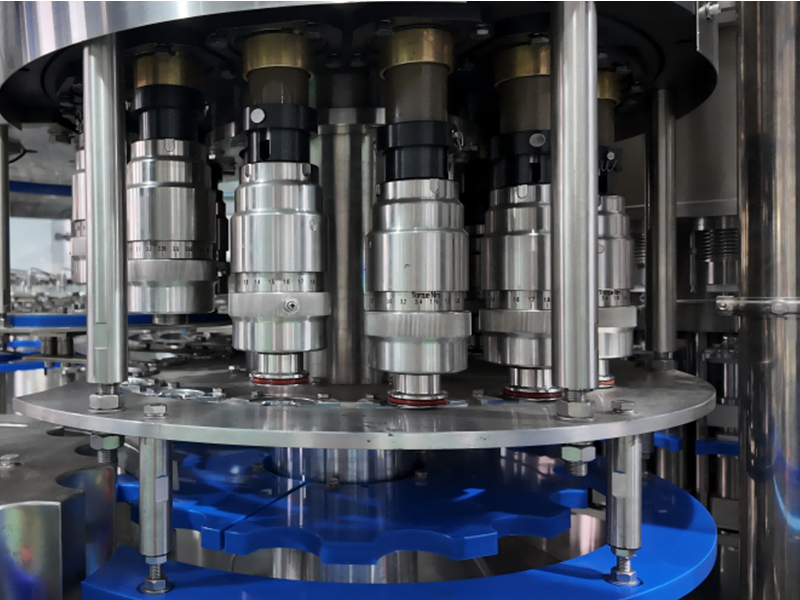
Adjustable filling valves
Motorized height adjustment
Change parts for bottle neck or can diameter
A single line can typically handle:
PET bottles: 200ml – 2L
Glass bottles: 250ml – 1L
Cans: 200ml – 500ml
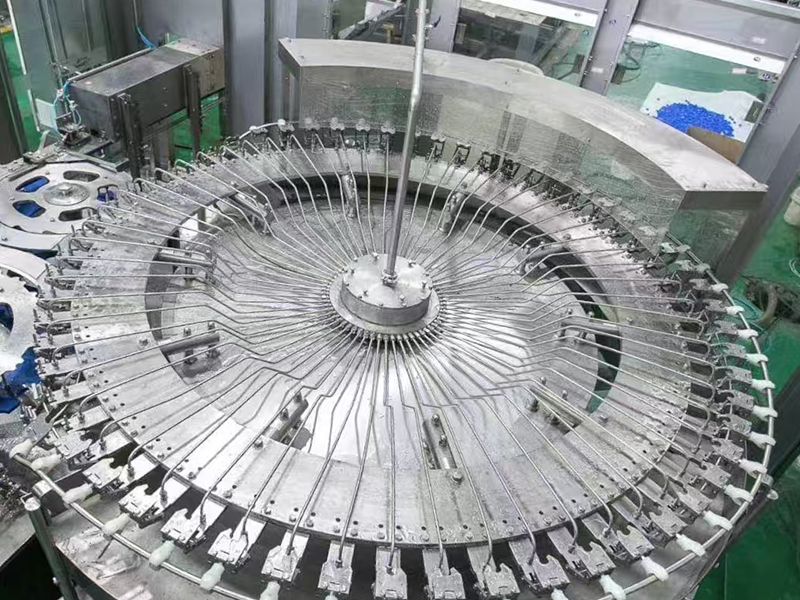
Isobaric filling is the industry standard for carbonated beverage filling machines because it keeps internal bottle or can pressure balanced during filling.
Key benefits include:
Preserves CO₂ content and carbonation level
Reduces foaming and oxygen pickup
Ensures consistent fill level
Protects PET bottles from deformation
Whether it is a PET soda filling machine, glass bottle beer filler, or can carbonated filling line, isobaric technology is critical for quality and stability.
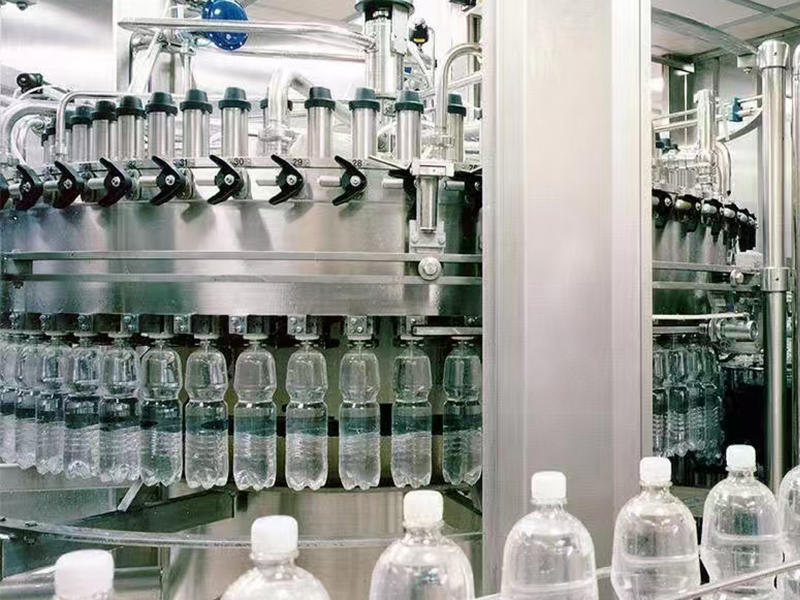
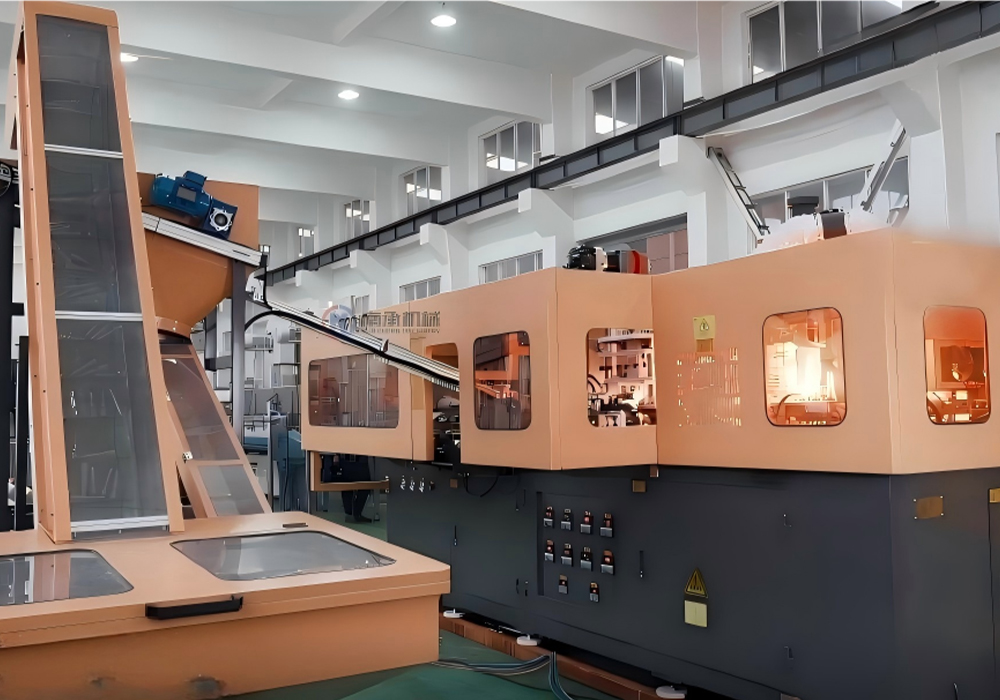
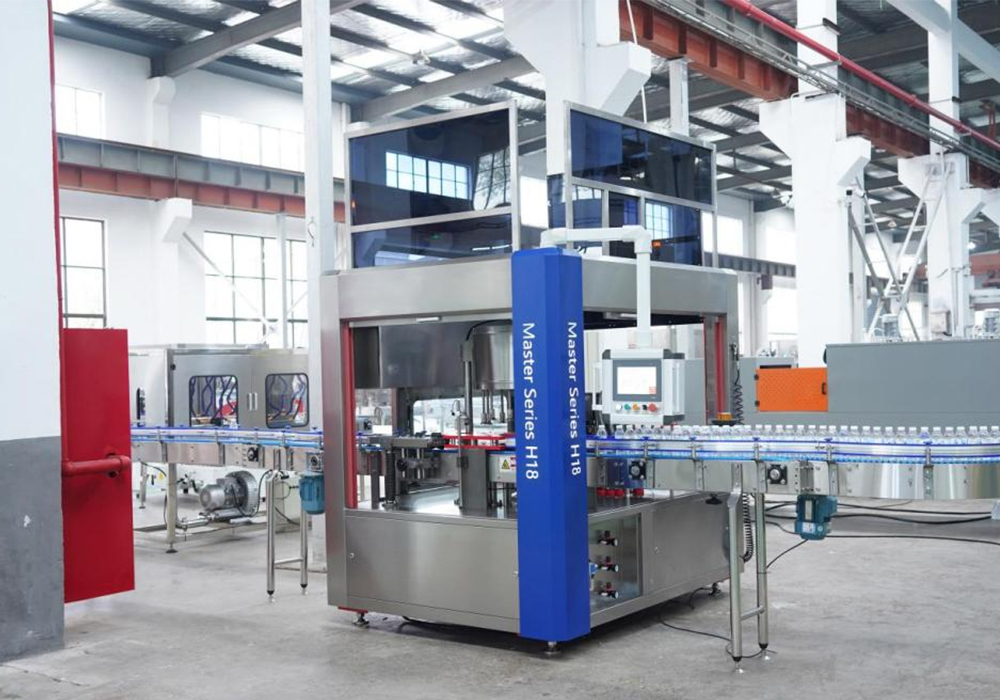
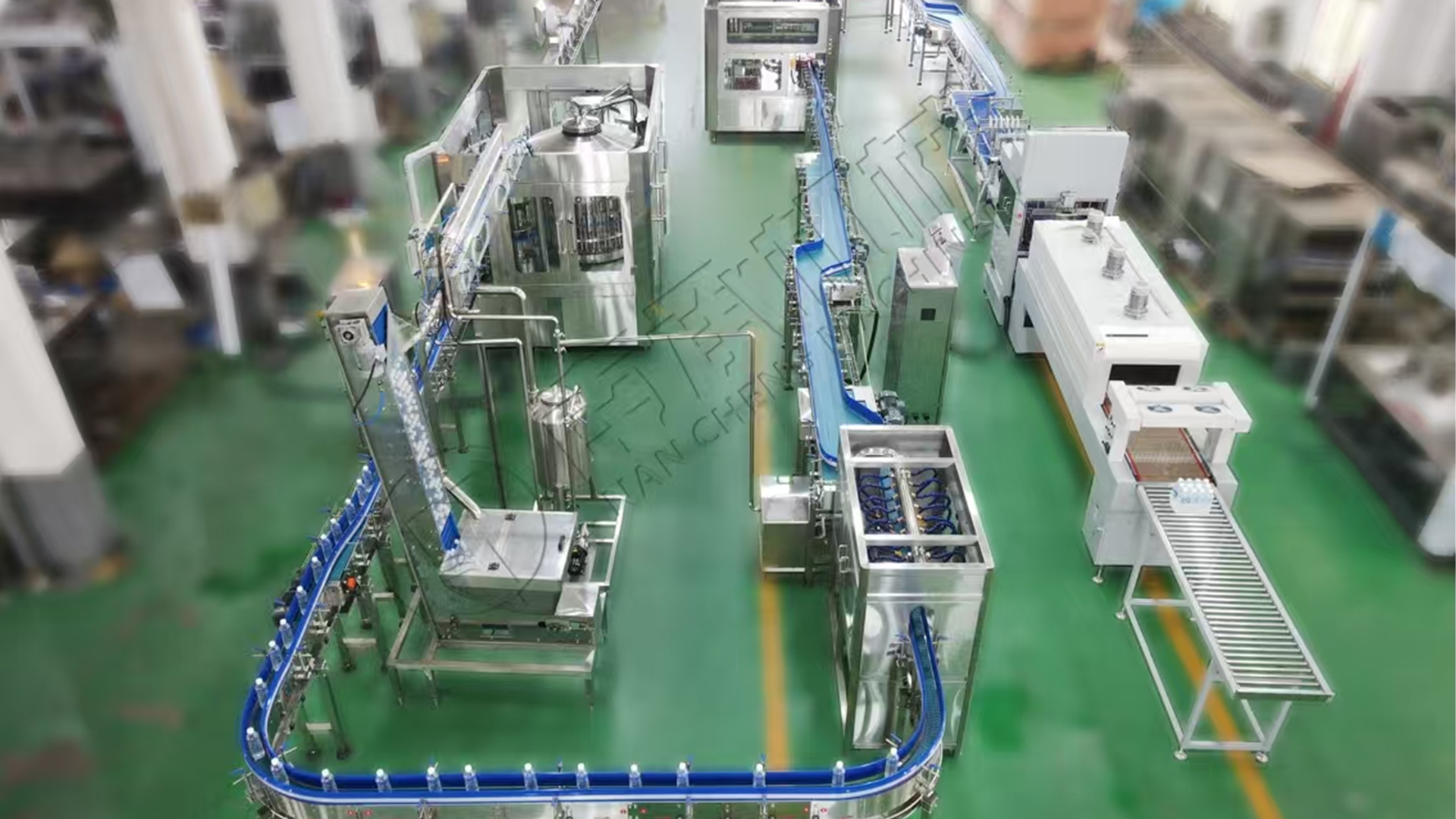
A carbonated beverage filling machine can be configured for PET bottles, glass bottles, and aluminum cans, depending on the filling valve design and handling system.
PET bottle carbonated filling machine uses isobaric (counter pressure) filling to prevent bottle deformation.
Glass bottle carbonated drink filling machine adopts stable bottle support and precise pressure control to avoid breakage.
Can filling machine for carbonated beverages integrates isobaric filling and can seaming for beer, soda, and sparkling drinks.
This flexibility makes the system suitable for soda, sparkling water, energy drinks, and carbonated soft drinks.
Ready to Build Your Beverage Plant?