Indonesia is one of Southeast Asia’s most promising markets for bottled drinking water. With a population of over 270 million, rising urbanization, and growing concerns about tap water quality, bottled water is not just a convenience—it’s a daily necessity.
If you are an entrepreneur or investor considering building a water bottling plant in Indonesia, this guide walks you through the entire journey: from understanding the local market and regulations, to choosing the right equipment, estimating costs, and planning for long-term profitability.
This is not a generic guide. It is written specifically for Indonesia’s business environment, investment realities, and operational conditions in 2026.
Why Indonesia Is a Strong Market for Bottled Water
Indonesia consistently ranks among the world’s top consumers of bottled water. Several factors drive this demand:
First, access to safe tap water is uneven across regions. In many cities and industrial zones, households and businesses rely heavily on bottled water for daily drinking.
Second, the middle class is expanding. Consumers are increasingly brand-conscious, willing to pay more for trusted, hygienically produced drinking water.
Third, Indonesia’s geography—thousands of islands—creates strong regional markets. This allows both national brands and regional bottlers to coexist profitably.
For new investors, this means opportunity not only in large cities like Jakarta, Surabaya, and Medan, but also in secondary cities where logistics costs favor local production.
Understanding the Types of Bottled Water in Indonesia
Before planning a factory, it’s important to decide what type of bottled water you will produce. In Indonesia, the main categories include:
Purified drinking water (RO-treated or filtered water)
Mineral water from approved natural sources
Spring water, subject to stricter source verification
Each category comes with different regulatory requirements, equipment configurations, and branding strategies.
Most first-time investors choose purified bottled water because it offers:
Regulatory Requirements for Water Bottling Plants in Indonesia
Indonesia has a structured regulatory framework for bottled water production. Ignoring this step is one of the most common and costly mistakes new investors make.
Key approvals generally include:
Business license (NIB) through OSS system
Environmental permits (AMDAL or UKL-UPL, depending on project size)
Food and beverage production registration
BPOM approval for packaged drinking water
Local health authority inspection
The exact process may vary slightly by province, but machinery layout, hygienic design, and water treatment quality are always closely inspected.
This is why choosing an experienced equipment supplier—one who understands regulatory expectations—can significantly reduce approval time.
Choosing the Right Water Source
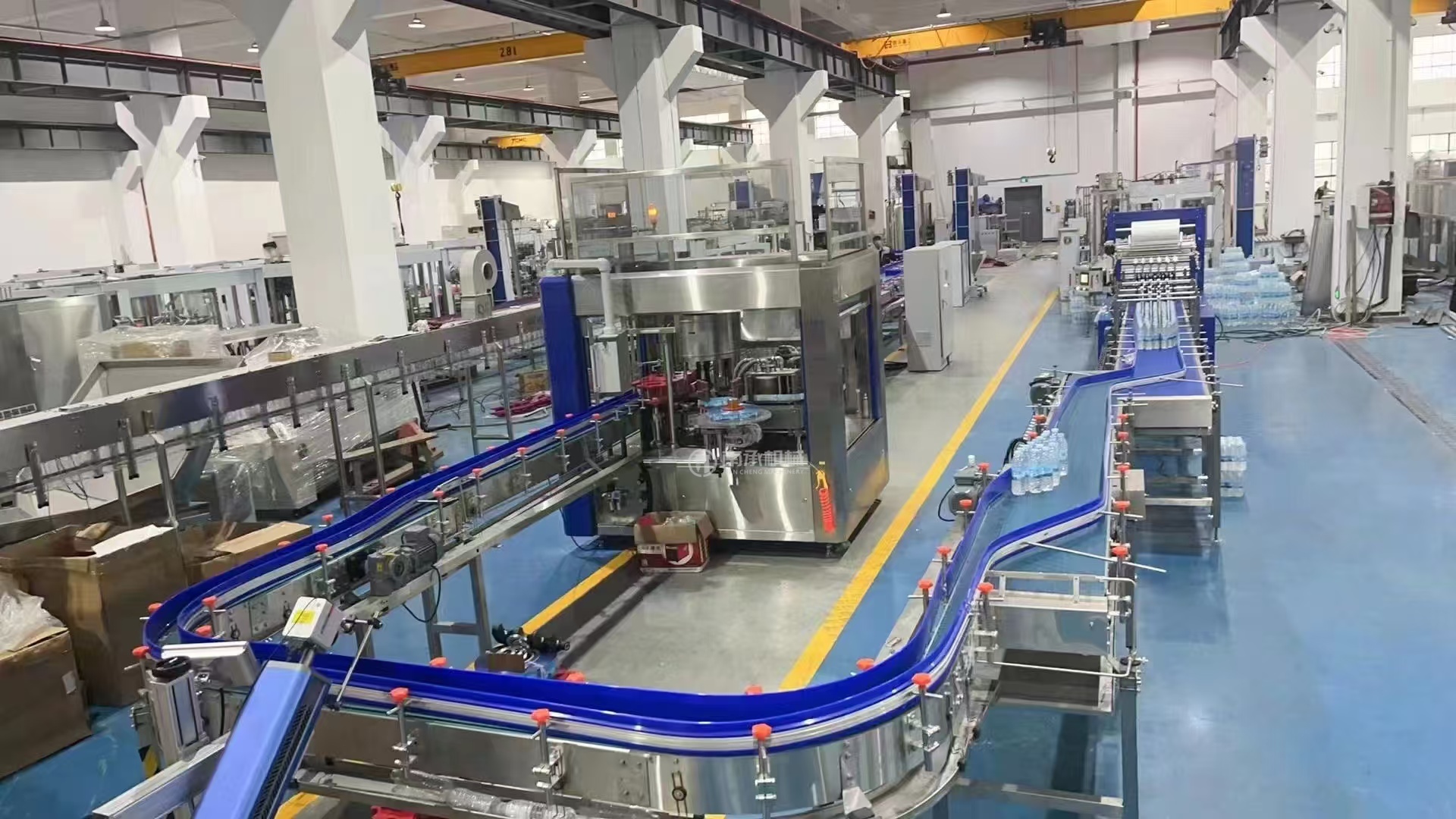
Your water source determines both operating cost and regulatory complexity.
Common options in Indonesia include:
Groundwater is widely used, but water quality can vary significantly by region. High TDS, iron, manganese, or microbiological contamination are common challenges.
A properly designed water treatment system is not optional—it is the foundation of your entire plant.
Water Treatment System Design for Indonesia
Water treatment must be tailored to local raw water conditions. A “one-size-fits-all” solution often leads to unstable quality and high maintenance costs.
Typical systems include:
Sand and carbon filtration
Water softening (if hardness is high)
Reverse osmosis (RO)
UV sterilization and ozone disinfection
Experienced manufacturers like Nancheng Machinery design treatment systems based on raw water analysis, ensuring compliance with Indonesian drinking water standards while minimizing long-term operating costs.
Selecting the Right Production Capacity
Capacity planning is where many investors either overinvest or limit future growth.
Common capacities for new water bottling plants in Indonesia include:
3,000–5,000 bottles per hour for small to medium startups
8,000–12,000 bottles per hour for regional brands
18,000 bottles per hour and above for large-scale operations
Capacity should match:
Target market size
Distribution capability
Budget and cash flow
A modular line allows you to expand later without replacing the entire system.
Core Equipment for a Water Bottling Plant
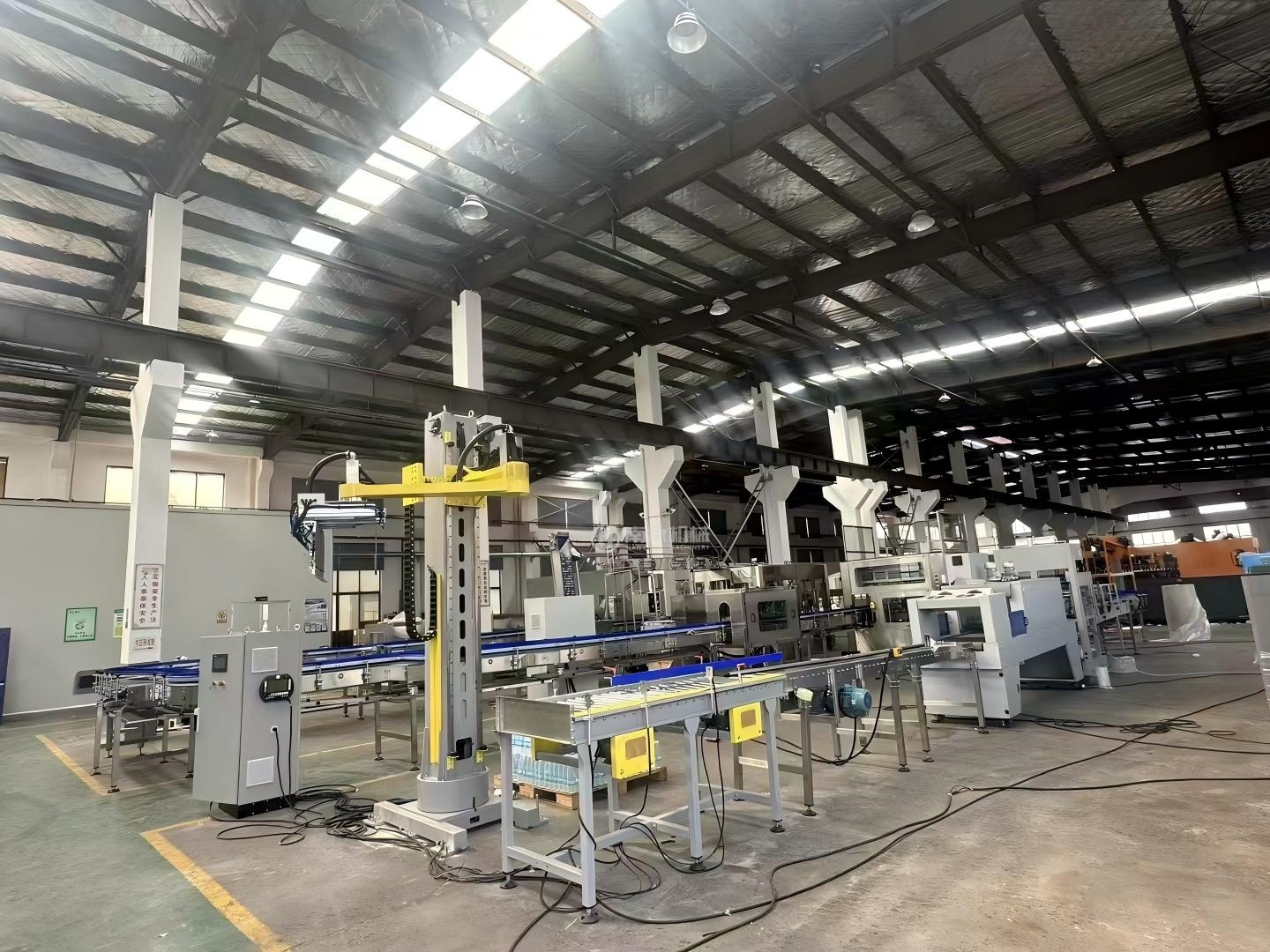
A complete bottled water production line typically includes:
Water treatment system
Bottle blowing machine (if using PET preforms)
Rinsing, filling, and capping machine
Labeling machine (OPP, shrink sleeve, or sticker)
Coding system
Packaging machine (shrink wrap or carton packing)
The heart of the line is the water filling machine, which directly impacts hygiene, accuracy, and production stability. A high-quality water filling machine ensures consistent fill levels, low product loss, and smooth long-term operation.
Bottle Types and Packaging Preferences in Indonesia
Most Indonesian bottled water uses PET bottles with common sizes including:
OPP labeling is extremely popular due to its cost efficiency and professional appearance. Shrink wrapping is widely used for secondary packaging, especially for high-volume distribution.
Designing your line to support multiple bottle sizes increases flexibility and ROI.
Factory Layout and Space Planning
A typical water bottling plant requires careful layout planning to ensure:
As a rough reference:
A 5,000 BPH plant may require 500–800 square meters
A 12,000 BPH plant may require 1,200–1,500 square meters
A professional layout design from the equipment supplier can save you costly modifications later.
Investment Cost of a Water Bottling Plant in Indonesia
Investment cost depends on capacity, automation level, and local construction costs.
Typical ranges (equipment only):
Small plant: USD 80,000–150,000
Medium plant: USD 180,000–350,000
Large plant: USD 400,000+
For a detailed breakdown including utilities, labor, packaging, and ROI, refer to this guide:
Water Bottling Plant Cost in Indonesia - Full Investment & ROI Guide
Understanding total investment—not just machine price—is critical for realistic financial planning.
Operating Costs and Profitability
Key operating costs include:
Electricity and water
Bottle preforms, caps, labels
Labor
Maintenance and spare parts
Distribution and marketing
Indonesia’s bottled water market allows healthy margins when operations are efficient. Many well-managed plants achieve ROI within 18–36 months, depending on scale and distribution reach.
Choosing a Reliable Machinery Partner
Your machinery supplier is not just a vendor—it’s a long-term technical partner.
Nancheng Machinery specializes in complete water bottling solutions, offering:
Customized plant design for Indonesian conditions
Stable, hygienic filling systems
Scalable production lines
Overseas installation and technical support
Experience serving global bottled water markets
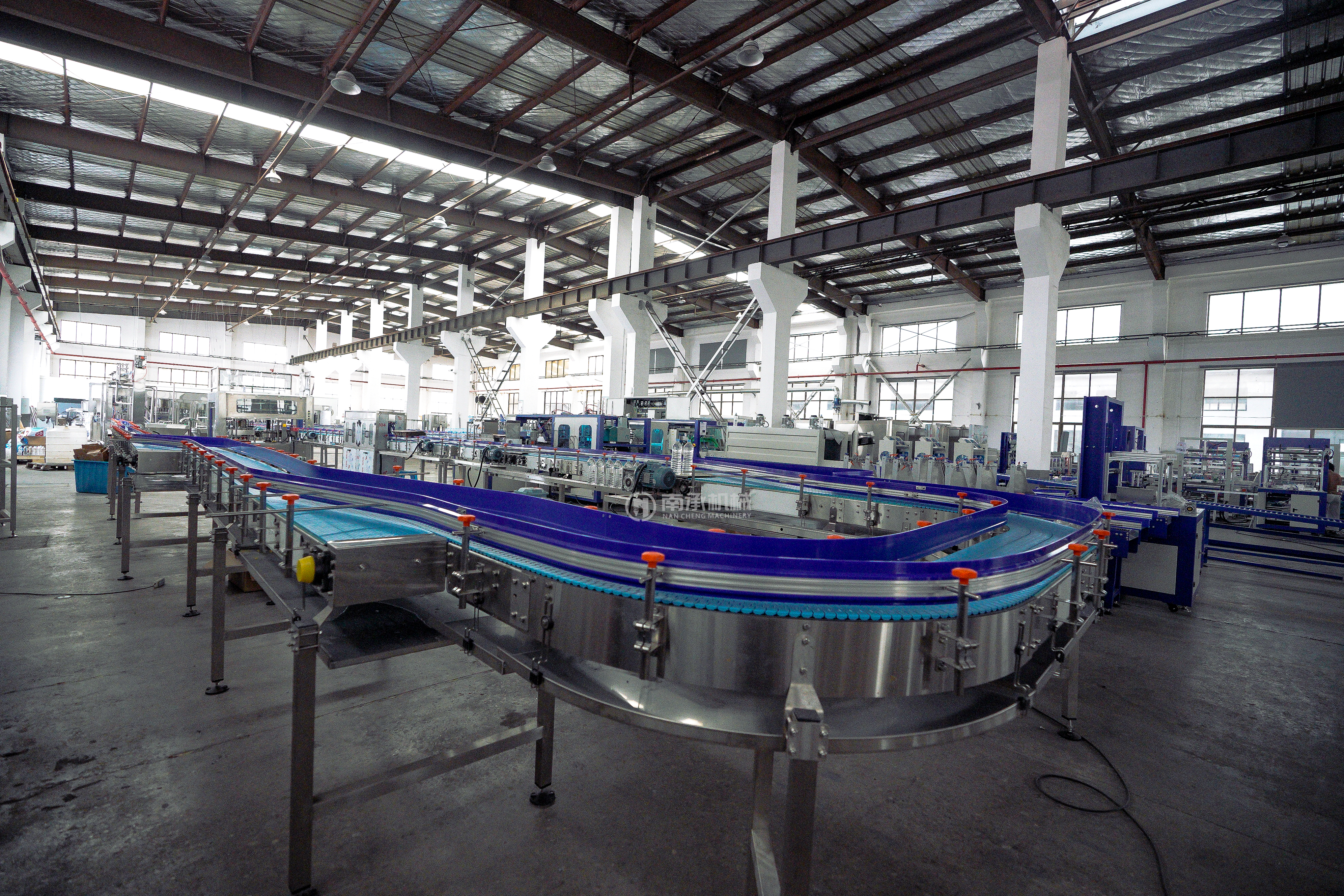
For investors looking for a turnkey solution, a complete water bottling plant setup can significantly reduce project risk.
Learning from Other Markets
Indonesia’s market shares similarities with other fast-growing regions in Southeast Asia. Studying how water bottling plants are structured in neighboring markets can provide useful insights, especially when comparing equipment configurations, production capacities, and supplier ecosystems. A detailed regional overview of water bottling machine manufacturers in Indonesia can help investors better understand how local and international suppliers serve this market and what solutions are commonly adopted by successful bottling plants.
Final Thoughts: Is 2026 the Right Time to Invest?
For investors with a long-term vision, the answer is yes.
Demand continues to grow, regulations are clearer than before, and modern equipment allows new entrants to compete on quality and efficiency.
Success depends on:
With the right strategy and a trusted equipment partner, building a water bottling plant in Indonesia can be a profitable and sustainable investment.
 English
 العربية
 Français
 Русский
 Español
 Português
 Deutsch
 italiano
 Nederlands
 Tiếng Việt
 ไทย
ไทย Polski
 Türkçe
 አማርኛ
አማርኛ Bahasa Melayu
 Filipino
 Bahasa Indonesia
 magyar
 Română
 Čeština
 Монгол
 қазақ
қазақ Српски
 हिन्दी
 فارسی
فارسی Kiswahili
 Slovenčina
 Slovenščina
 Norsk
Norsk Svenska
 українська
 Suomi
Suomi Հայերեն
 Dansk
Dansk اردو
اردو Shqip
Shqip বাংলা
বাংলা Hrvatski
 Eesti keel
 සිංහල
සිංහල नेपाली
 Oʻzbekcha
 latviešu
 Azərbaycan dili
 Български
 ქართული
 Hausa
Hausa Igbo
Igbo Lietuvių
 Soomaali
 Yorùbá


