You are here:Home » News » A Complete Step-by-Step Guide To Building A Water Bottling Plant in Ethiopia (2026)
A Complete Step-by-Step Guide To Building A Water Bottling Plant in Ethiopia (2026)
Views: 0 Author: Site Editor Publish Time: 2026-04-16 Origin: Site
Ethiopia is rapidly emerging as one of Africa’s most promising investment destinations. With a population exceeding 120 million, rising urbanization, and increasing awareness of health and hygiene, the demand for safe, packaged drinking water continues to grow year by year.
For entrepreneurs and investors, 2026 presents a strategic opportunity to enter the bottled water industry. However, building a successful water bottling plant in Ethiopia requires more than just purchasing equipment. It involves regulatory compliance, smart location selection, efficient production planning, and long-term cost control.
This guide provides a complete, practical roadmap—from idea to operation—helping you avoid costly mistakes and maximize your return on investment.
Quick Summary: What It Takes to Start
Setting up a water bottling plant in Ethiopia typically involves:
we can support your project from concept to production.
Ethiopia Water Business FAQ
Is Ethiopia a good market for starting a bottled water business?
Ethiopia is considered a high-potential market for bottled water investment due to rapid urbanization and increasing demand for safe drinking water.
The bottled water industry has grown significantly, with dozens of operational plants and strong daily consumption in urban areas.
Rising health awareness and limited access to clean tap water continue to drive demand for packaged drinking water across the country.
How much investment is required to start a water bottling plant in Ethiopia?
The cost of setting up a water bottling plant in Ethiopia depends on production capacity, automation level, and equipment configuration.
A medium to large-scale bottled water factory typically requires an investment ranging from $800,000 to $1.6 million.
For smaller startups, entry-level projects may start from around $50,000, especially when using semi-automatic water filling machines.
What equipment is needed for a bottled water production line?
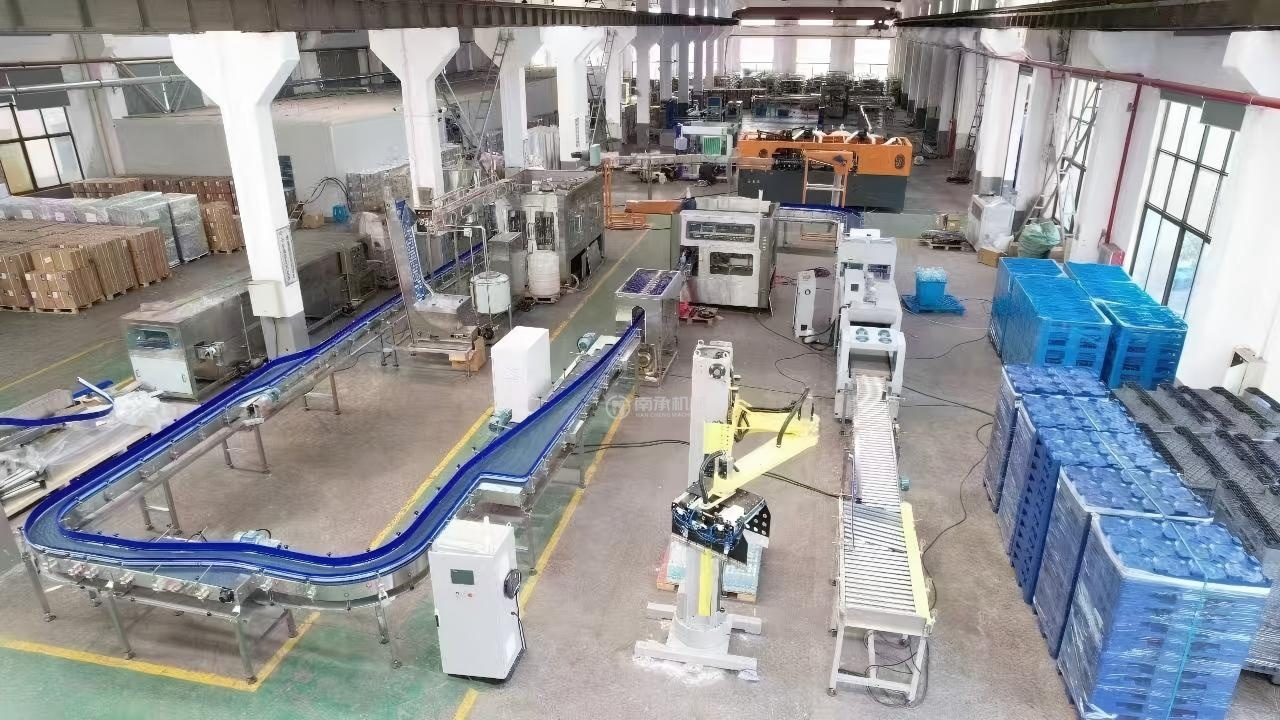
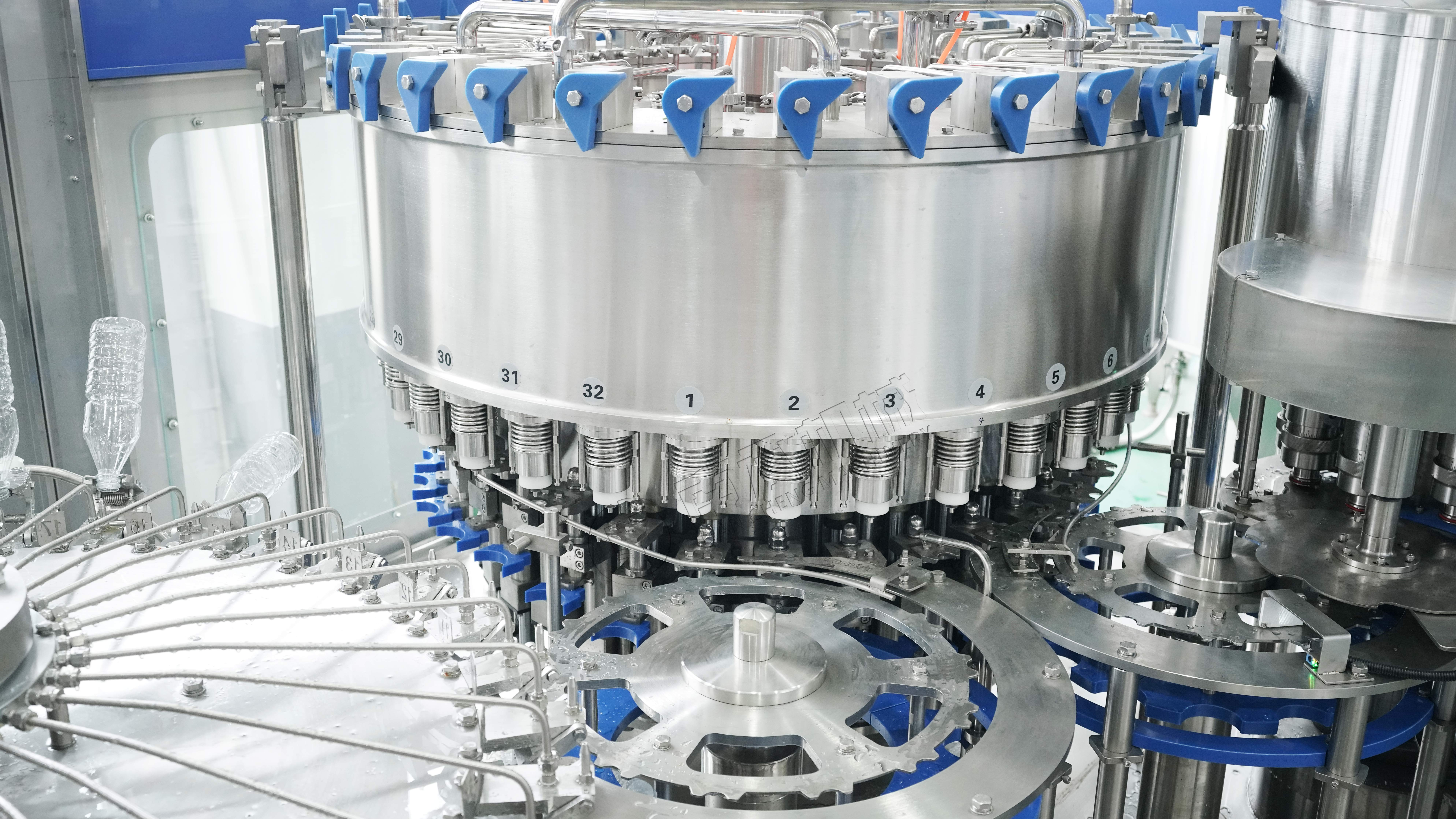
A complete bottled water production line includes a water treatment system, bottle blowing machine, filling machine, labeling machine, and packaging system.
Advanced solutions such as combiblock systems integrate blowing, filling, and capping into one unit, improving efficiency and reducing contamination risks.
Choosing a reliable water bottling machine manufacturer or supplier ensures stable production and long-term operational efficiency.
What licenses are required to start a water business in Ethiopia?
To legally operate a bottled water business in Ethiopia, investors must obtain licenses from the Ethiopian Investment Commission (EIC) and comply with regulations from the Ethiopian Food and Drug Authority (EFDA).
These include water extraction permits, quality certifications, and hygiene approvals for production facilities.
Strict compliance with national and international drinking water standards is essential for market entry and long-term success.
What are the key success factors for a water bottling business in Ethiopia?
Success in the Ethiopian bottled water industry depends on reliable water sources, efficient water treatment systems, and high-quality bottling equipment.
Strong distribution networks and competitive pricing strategies are also critical in a rapidly growing yet competitive market.
Partnering with an experienced turnkey project supplier or beverage machinery manufacturer can significantly reduce risks and improve return on investment.
Final Thoughts
Ethiopia’s bottled water industry offers strong growth potential, but success depends on proper planning and execution.
By following this step-by-step guide, you can:
Avoid regulatory delays
Optimize your investment
Build a scalable and profitable business
Ready to Start Your Project?
If you’re planning to invest in a water bottling plant in Ethiopia, now is the right time to act.
 English
 العربية
 Français
 Русский
 Español
 Português
 Deutsch
 italiano
 Nederlands
 Tiếng Việt
 ไทย
ไทย Polski
 Türkçe
 አማርኛ
አማርኛ Bahasa Melayu
 Filipino
 Bahasa Indonesia
 magyar
 Română
 Čeština
 Монгол
 қазақ
қазақ Српски
 हिन्दी
 فارسی
فارسی Kiswahili
 Slovenčina
 Slovenščina
 Norsk
Norsk Svenska
 українська
 Suomi
Suomi Հայերեն
 Dansk
Dansk اردو
اردو Shqip
Shqip বাংলা
বাংলা Hrvatski
 Eesti keel
 සිංහල
සිංහල नेपाली
 Oʻzbekcha
 latviešu
 Azərbaycan dili
 Български
 ქართული
 Hausa
Hausa Igbo
Igbo Lietuvių
 Soomaali
 Yorùbá