Starting a water bottling business in Indonesia is no longer just an opportunity for large corporations. In 2026, more local entrepreneurs and regional investors are entering the bottled water market, driven by strong demand, fragmented regional supply, and improving distribution infrastructure.
However, the biggest question every investor asks before moving forward is simple:
How much does it really cost to build a water bottling plant in Indonesia, and can it be profitable?
This guide answers that question in detail—step by step—based on Indonesia’s real market conditions, not generic global assumptions.
Why Indonesia Is Different from Other Water Bottling Markets
Many investors compare Indonesia with markets like Kenya, Nigeria, or India. While the core production process is similar, Indonesia has several unique characteristics that directly affect investment cost and plant design.
Key differences include:
Highly variable water quality across islands
Relatively high electricity cost in some regions
Strong preference for specific bottle sizes
Logistics-driven regional production strategies
Understanding these differences early helps avoid under-budgeting and design mistakes.
Water Source & Water Quality Risks in Indonesia
Water source selection is the foundation of your investment.
In Indonesia, common water sources include:
Deep groundwater wells
Municipal water supply (limited reliability)
Spring water (restricted, regulated, location-specific)
Key Risk: Inconsistent Raw Water Quality
In many regions, groundwater contains high TDS, iron, manganese, or microbiological contamination. Water quality can vary even within the same city.
This makes customized water treatment design essential, not optional.
Most successful plants rely on multi-stage filtration combined with RO, UV, and ozone systems to ensure stable quality year-round.
Electricity & Energy Cost Considerations
Energy cost is a major operational expense and varies significantly by location.
General observations for Indonesia:
Electricity cost is higher than some African markets
Power stability varies outside major industrial zones
Backup generators are often necessary
High-efficiency motors, optimized conveyors, and stable filling systems reduce long-term energy consumption. Equipment quality directly affects your operating margin over time.
Mainstream Bottle Sizes in the Indonesian Market
Bottle size selection affects equipment configuration, packaging cost, and consumer acceptance.
The most common bottle formats in Indonesia are:
500 ml – highest volume, convenience-driven
1.5 L – family and household use
5 L – bulk consumption, offices, shops
Unlike some African markets, ultra-small sachets are not dominant. PET bottles with OPP labels are the mainstream standard.
Designing a line that supports multiple bottle sizes increases flexibility and future scalability.
Recommended Production Capacity for New Investors
Choosing the right capacity is one of the most critical decisions.
Based on Indonesia’s distribution structure and demand patterns, recommended capacities are:
3,000–5,000 BPH: Entry-level, regional startup
6,000–10,000 BPH: Growing regional brand
12,000–18,000 BPH: Established distribution network
Oversizing increases financial pressure, while undersizing limits growth. Modular equipment design allows capacity expansion without replacing the entire line.
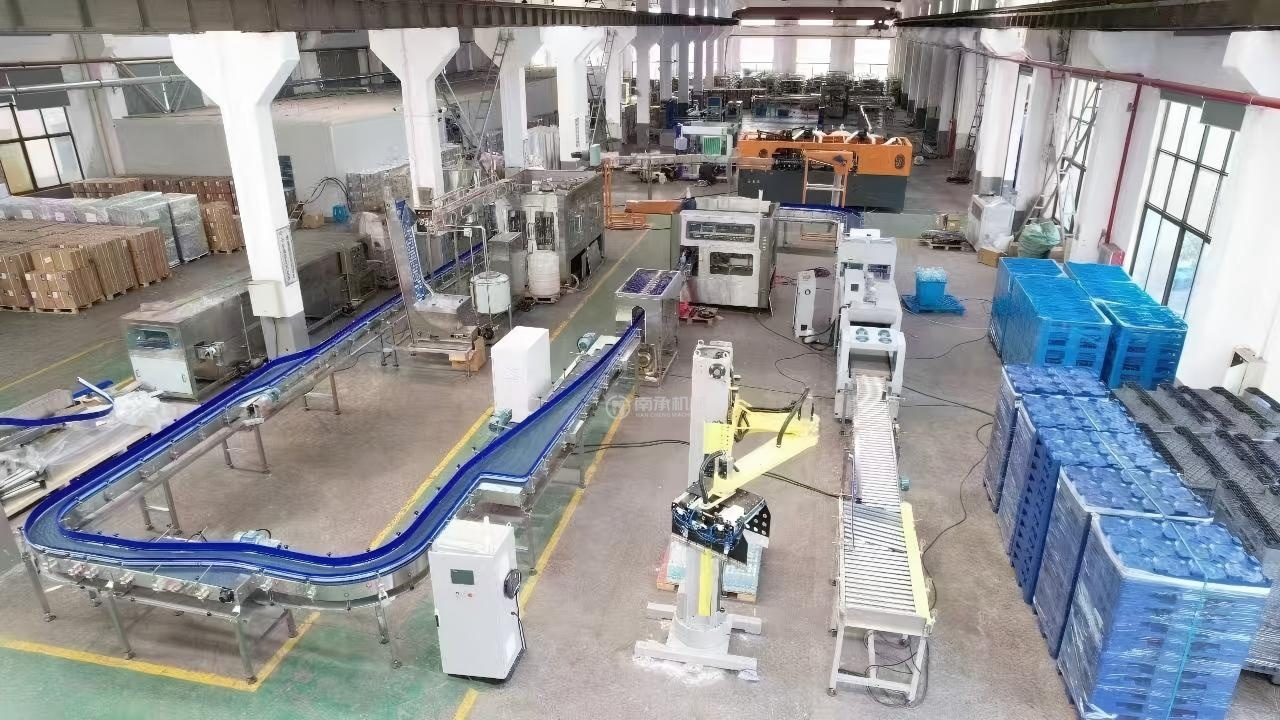
Core Equipment Required for a Water Bottling Plant
A complete plant typically includes:
Raw water treatment system
Bottle blowing machine (if producing PET bottles in-house)
Rinsing, filling, and capping system
Labeling machine (OPP or shrink sleeve)
Coding machine
Packaging system (shrink wrap or carton)
At the heart of the line is the water filling machine, which determines hygiene level, filling accuracy, and long-term reliability. A stable water filling machine reduces downtime, product loss, and maintenance cost.
Water Bottling Plant Investment Cost in Indonesia
Below is a realistic equipment investment range based on common configurations in Indonesia.
Equipment Investment Cost Table (USD)
Plant Capacity | Typical Configuration | Estimated Equipment Cost |
3,000–5,000 BPH | Semi-auto to automatic line | 80,000 – 150,000 |
6,000–10,000 BPH | Fully automatic line | 180,000 – 300,000 |
12,000–18,000 BPH | High-speed automatic line | 350,000 – 500,000+ |
These figures cover core production equipment but exclude building, utilities, and distribution vehicles.
Operating Cost Breakdown (Monthly Estimate)
Operating cost is just as important as initial investment.
Typical Monthly Operating Cost Structure
Cost Item | Share of Total Cost |
Electricity & Water | 15–20% |
Bottles, Caps, Labels | 35–45% |
Labor | 10–15% |
Maintenance & Spares | 5–8% |
Logistics & Distribution | 15–20% |
Reducing packaging waste and energy consumption has the biggest impact on profitability.
Investment Threshold & Entry Barrier in Indonesia
Compared with some African markets, Indonesia has a moderate investment threshold.
Key entry characteristics:
Equipment quality expectations are higher
Branding and packaging matter more
Distribution efficiency determines survival
A professionally designed water bottling plant with stable automation often outperforms cheaper, fragmented setups.
ROI Expectations and Payback Period
With proper planning, many Indonesian bottled water plants achieve:
ROI depends more on operational stability and packaging efficiency than on initial machine price.
Why Equipment Selection Matters More Than Price
Low-cost equipment may look attractive at first, but hidden costs appear later:
This is why many investors choose experienced manufacturers who understand long-term operation rather than just upfront pricing.
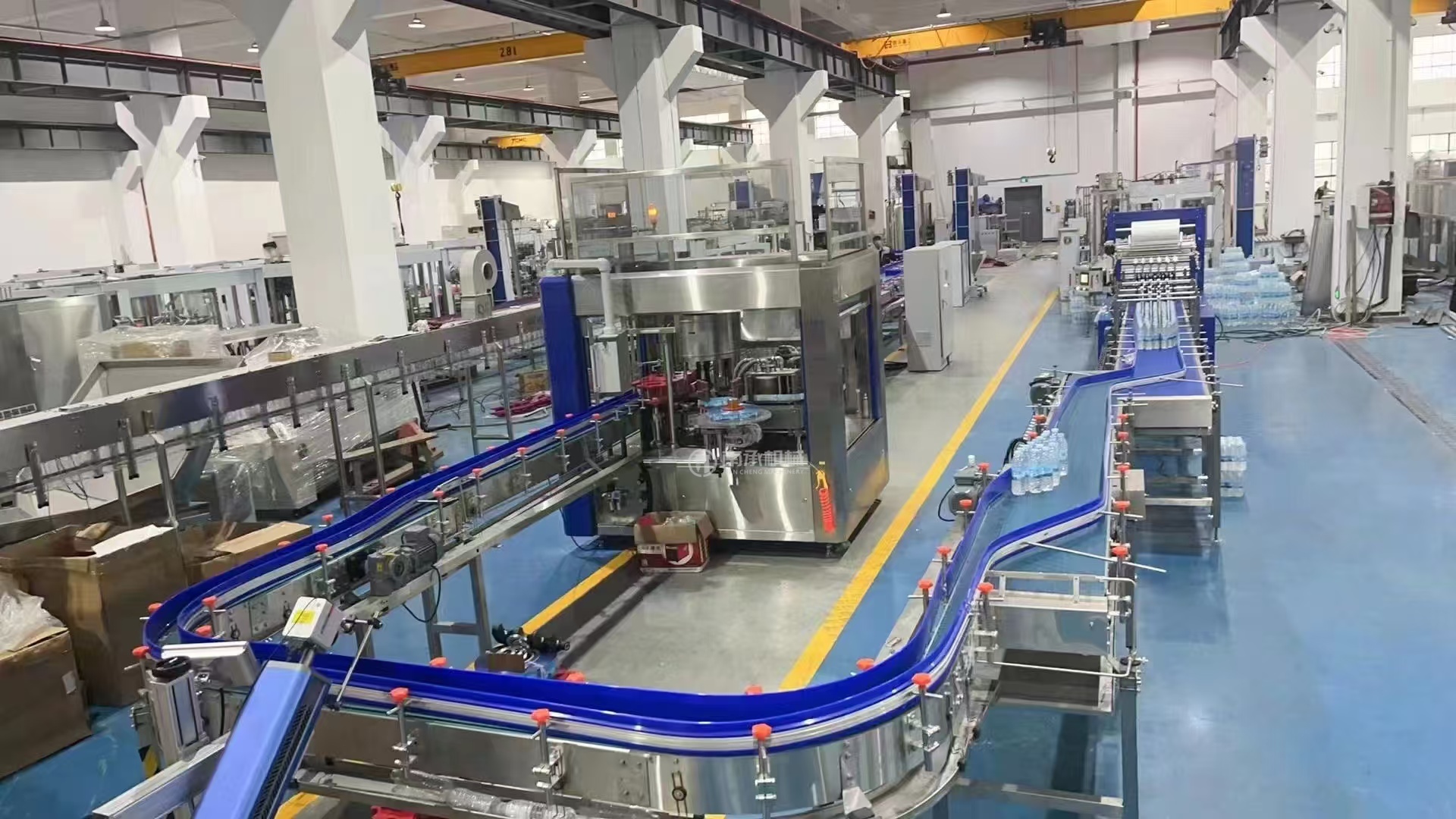
Nancheng Machinery: Your Long-Term Bottling Partner
Nancheng Machinery specializes in complete bottled water solutions for global markets, including Southeast Asia.
Key advantages include:
Customized plant design based on Indonesian conditions
Reliable, hygienic filling systems
Modular capacity expansion
Overseas installation and technical support
Proven experience in water bottling projects
For investors seeking stable ROI and scalable growth, working with an experienced partner significantly reduces project risk.
Learning from the Indonesian Market Landscape
Understanding the local supplier ecosystem and market structure helps investors make better decisions.
A detailed overview of water bottling machine manufacturers in Indonesia provides insight into common equipment configurations and market practices.
You may also find this step-by-step guide useful when planning your project from scratch:
guide to building a water bottling plant in Indonesia
Final Thoughts: Is Indonesia Worth the Investment in 2026?
For entrepreneurs and investors with a long-term view, Indonesia remains one of Southeast Asia’s most attractive bottled water markets.
Success depends on:
Realistic capacity planning
Proper water treatment design
Efficient energy use
Reliable machinery
Strong local distribution
With the right strategy and the right equipment partner, a water bottling plant in Indonesia can be a stable, scalable, and profitable business.
 English
 العربية
 Français
 Русский
 Español
 Português
 Deutsch
 italiano
 Nederlands
 Tiếng Việt
 ไทย
ไทย Polski
 Türkçe
 አማርኛ
አማርኛ Bahasa Melayu
 Filipino
 Bahasa Indonesia
 magyar
 Română
 Čeština
 Монгол
 қазақ
қазақ Српски
 हिन्दी
 فارسی
فارسی Kiswahili
 Slovenčina
 Slovenščina
 Norsk
Norsk Svenska
 українська
 Suomi
Suomi Հայերեն
 Dansk
Dansk اردو
اردو Shqip
Shqip বাংলা
বাংলা Hrvatski
 Eesti keel
 සිංහල
සිංහල नेपाली
 Oʻzbekcha
 latviešu
 Azərbaycan dili
 Български
 ქართული
 Hausa
Hausa Igbo
Igbo Lietuvių
 Soomaali
 Yorùbá


