You are here:Home » News » Top 20 Carbonated Beverage Filling Machine Manufacturers in Turkey
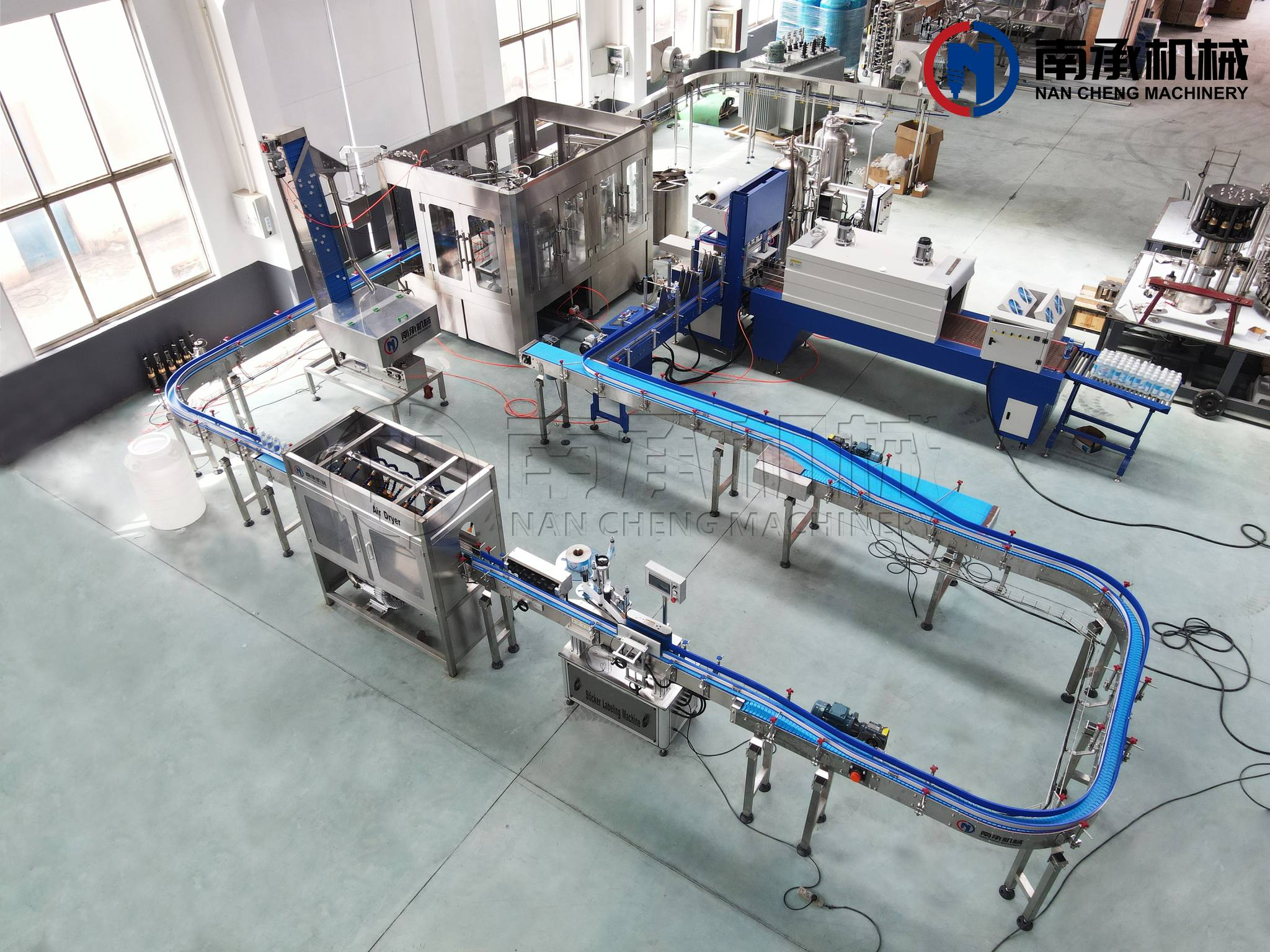
Top 20 Carbonated Beverage Filling Machine Manufacturers in Turkey
Views: 0 Author: Site Editor Publish Time: 2026-06-22 Origin: Site
Are you planning to build a soda, sparkling water, tonic water, carbonated juice, beer, or energy drink production line in Turkey?
Choosing the right carbonated beverage filling machine manufacturer is one of the most important decisions in your whole project. Carbonated drinks are very different from still water because they contain dissolved CO₂. During filling, the machine must control pressure, temperature, flow speed, foam formation, oxygen pickup, and container sealing at the same time.
If the filling system is not designed for carbonated beverages, your factory may face excessive foaming, unstable fill levels, CO₂ loss, leaking bottles or cans, poor shelf life, and frequent production stops.
This guide compares 20 carbonated beverage filling machine manufacturers and suppliers serving the Turkish market. The list includes Nancheng Machinery as a featured international manufacturer, 8 Turkey-based filling line suppliers, and 11 international manufacturers with strong CSD filling technology.
The numbering is used for easy reading and does not represent a strict performance ranking.
Quick Answer: Which Companies Supply Carbonated Beverage Filling Machines for Turkey?
Carbonated beverage filling machine manufacturers and suppliers serving Turkey include Nancheng Machinery, EKTAM, Ersey Makina, Fill Technic, Ardolet, Kombi Makina, Ay-Sa Machine, SFA HyFilling/Solufall, Mavi Mak Makine, Krones, KHS, Sidel, GEA, SIPA, CFT Group, Comac, Della Toffola, GAI, Fimer, and IC Filling Systems.
These companies cover different production needs, from compact soda filling machines and medium-capacity CSD lines to high-speed PET bottling systems, glass bottle pressure fillers, aluminum can filling and seaming machines, beverage carbonators, labeling machines, packaging systems, and complete turnkey carbonated beverage production lines.
How to Choose the Right Type of Supplier
Before comparing machine prices, it helps to understand the three supplier categories in this market.
Featured International Turnkey Manufacturer
This category is suitable for investors who want one supplier to provide water treatment, syrup preparation, carbonation, filling, labeling, packing, installation support, and complete line layout.
Nancheng Machinery belongs to this category and is especially suitable for buyers looking for a customized, cost-effective turnkey CSD production line.
Turkey-Based Manufacturers and Line Integrators
Turkey has several local beverage machinery suppliers and project integrators. They may be suitable for buyers who prefer local communication, local installation support, or regional service coordination.
Examples include EKTAM, Ersey Makina, Fill Technic, Ardolet, Kombi Makina, Ay-Sa Machine, SFA HyFilling/Solufall, and Mavi Mak Makine.
European Industrial and Craft Beverage Specialists
European manufacturers are often selected for high-speed industrial projects, premium beverage plants, or craft beverage applications with strict technical requirements.
Examples include Krones, KHS, Sidel, GEA, SIPA, CFT Group, Comac, Della Toffola, GAI, Fimer, and IC Filling Systems.
Top 20 Carbonated Beverage Filling Machine Manufacturers at a Glance
NO.
Company
Base
Main CSD Capability
Typical Containers
1
Nancheng Machinery
International supplier
Turnkey CSD lines and customized isobaric fillers
PET, glass, cans
2
EKTAM
Turkey
High-speed CSD bottling facilities
PET, glass, cans
3
Ersey Makina
Turkey
CSD filling and packaging integration
PET, glass
4
Fill Technic
Turkey
Carbonated filling lines and carbonators
PET, glass
5
Ardolet
Turkey
Pressure-filling monoblocks
PET, glass
6
Kombi Makina
Turkey
Complete carbonated soft drink lines
PET, glass
7
Ay-Sa Machine
Turkey
Carbonated and canned beverage lines
PET, glass, cans
8
SFA HyFilling/Solufall
Turkey
Rotary bottle and can CSD fillers
Glass, cans
9
Mavi Mak Makine
Turkey
Rotary filling and packaging systems
Bottles, cans
10
Krones
Germany
High-speed CSD filling and packaging
PET, glass, cans
11
KHS
Germany
Industrial pressure filling systems
PET, glass, cans
12
Sidel
International
PET packaging and complete CSD lines
PET, cans
13
GEA
Germany
Processing, carbonation, and filling
PET, glass, cans
14
SIPA
Italy
PET blowing, filling, and packaging
PET, glass
15
CFT Group
Italy
Counter-pressure bottle and can fillers
PET, glass, cans
16
Comac
Italy
Compact and industrial CSD fillers
PET, glass, cans
17
Della Toffola
Italy
Isobaric beverage filling systems
PET, glass, cans
18
GAI
Italy
Bottling monoblocks and CSD fillers
Glass, PET
19
Fimer
Italy
Mechanical and electro-pneumatic fillers
Glass, PET
20
IC Filling Systems
UK/Italy
Small and medium CSD bottling lines
Glass, PET, cans
What Is a Carbonated Beverage Filling Machine?
A carbonated beverage filling machine is specialized equipment used to fill pressurized drinks while maintaining the correct level of dissolved CO₂.
Typical applications include:
Cola
Flavored soda
Sparkling mineral water
Tonic water
Carbonated energy drinks
Carbonated juice beverages
Lemonade
Beer and malt beverages
Hard seltzer
Sparkling functional drinks
Most professional systems use isobaric filling, also called counter-pressure filling. Before the beverage enters the container, the bottle or can is pressurized. Once the pressure inside the container approaches the pressure inside the product tank, the filling valve opens and allows the drink to flow under controlled conditions.
Think about opening a warm bottle of soda too quickly. The sudden pressure drop causes CO₂ to escape and creates foam. A counter-pressure filler manages this pressure change during industrial production, helping reduce foam and protect carbonation.
Typical Isobaric Filling Process
A standard CSD filling cycle usually includes:
Empty bottle or can feeding
Container positioning
Air removal or CO₂ flushing
Container pressurization
Pressure equalization
Carbonated beverage filling
Fill-level or volume control
Controlled decompression
Immediate capping or can seaming
The filling machine cannot work effectively alone. Beverage temperature, carbonation pressure, dissolved air, syrup concentration, bottle quality, cap performance, and can seaming quality also affect the final result.
Top 20 Carbonated Beverage Filling Machine Manufacturers Serving Turkey
1. Nancheng Machinery
Nancheng Machinery is a professional beverage filling machine manufacturer supplying individual machines and complete turnkey production lines for international beverage projects.
The company provides equipment for bottled water, carbonated soft drinks, juice, beer, glass bottle beverages, aluminum cans, labeling, conveying, packaging, and complete plant engineering.
For carbonated beverage projects in Turkey, Nancheng Machinery can design customized systems according to the beverage formula, container type, required capacity, workshop layout, local voltage, packaging format, and investment budget.
This makes Nancheng Machinery suitable for new investors, private-label beverage producers, regional soda brands, and existing bottled water factories that want to expand into carbonated drinks.
Nancheng Machinery uses isobaric filling technology to manage pressure during the filling cycle. Correct pressure equalization and gradual decompression help reduce foam, protect carbonation, and improve filling-level consistency.
PET Bottle CSD Filling
PET bottles are widely used for soda and sparkling water because they are lightweight and economical. However, they must be handled carefully because internal pressure can deform weak bottles.
Nancheng Machinery can configure PET bottle filling systems with neck-handling transfer, bottle rinsing, isobaric filling, plastic screw capping, labeling, coding, shrink wrapping, and palletizing.
Glass Bottle CSD Filling
Glass bottles are common for premium soda, beer, sparkling mineral water, and specialty carbonated drinks.
A complete glass bottle line can include bottle depalletizing, washing, rinsing, pressure filling, crown capping, fill-level inspection, labeling, carton packing, and palletizing.
Can Filling and Seaming
Aluminum cans are popular for soda, energy drinks, sparkling water, beer, and functional drinks.
A Nancheng canning line can include empty-can depalletizing, can rinsing, CO₂ flushing, isobaric filling, lid feeding, automatic seaming, fill-level inspection, can warming or drying, date coding, shrink wrapping, carton packing, and palletizing.
This turnkey approach is useful for investors who want one supplier to coordinate water treatment, beverage preparation, filling, packaging, and plant layout.
Why Turkish Buyers May Compare Nancheng Machinery
For many beverage investors, European equipment can be technically strong but expensive. Local suppliers may offer easier communication but may not always provide full process engineering, PET/glass/can flexibility, or complete turnkey support.
Nancheng Machinery provides a practical middle option: customized equipment design, complete line supply, competitive investment cost, and engineering support for PET bottles, glass bottles, and aluminum cans.
Request a CSD Line Proposal from Nancheng Machinery
To receive a useful quotation, prepare the following information:
Beverage type and formula
Target CO₂ level
Brix level
Filling temperature
Bottle or can size
Closure type
Target capacity in bottles or cans per hour
Factory dimensions
Voltage and frequency
Final packaging format
With this information, Nancheng Machinery can prepare a recommended process flow, equipment configuration, workshop layout, utility list, and budget quotation.
2. EKTAM
EKTAM is a Turkish manufacturer of high-speed beverage packaging machines and fully automatic bottling facilities.
Its production-line portfolio includes carbonated soft drinks, drinking water, mineral water, fruit juice, lemonade, dairy beverages, beer, spirits, and edible oil.
For carbonated beverages, EKTAM offers PET bottle, glass bottle, and can filling solutions. Its filling machine range includes level-based carbonated drink fillers for cola and soda, electro-volumetric PET fillers, and can filling and seaming systems.
EKTAM may suit medium and large beverage factories that require automated CSD production, local Turkish manufacturing, and complete bottling facility support.
3. Ersey Makina
Ersey Makina is a Turkey-based beverage machinery company associated with PET bottle blowing, filling, capping, labeling, conveying, and end-of-line packaging equipment.
Its portfolio includes carbonated soft drink filling machines, water filling lines, juice filling equipment, edible oil filling systems, PET bottle blowing machines, case packers, palletizers, and depalletizers.
For a carbonated beverage project, buyers should confirm the machine’s pressure-filling technology, valve type, bottle range, CO₂ control, and guaranteed output under real product conditions.
Ersey Makina can be considered by factories looking for Turkish beverage line equipment and integration support.
4. Fill Technic
Fill Technic is an İzmir-based beverage machinery supplier offering standalone equipment and turnkey bottling projects.
Its product scope includes still water filling lines, carbonated beverage lines, juice filling equipment, dairy filling systems, PET bottle systems, glass bottle lines, syrup preparation equipment, carbonators, filling-and-capping machines, conveyors, and labelers.
For CSD projects, Fill Technic may support both beverage preparation and filling-line integration.
Buyers should request a detailed scope of supply showing which machines are manufactured directly, which components are sourced externally, and who guarantees complete-line performance.
5. Ardolet
Ardolet manufactures filling, labeling, palletizing, and industrial automation equipment in Turkey.
Its Erciyes Monoblock is presented as a rinsing, pressure-filling, and capping machine for cola, soda, carbonated mineral water, and other carbonated beverages.
Ardolet may be suitable for small and medium-sized bottlers looking for a Turkish pressure-filling monoblock for PET or glass bottles.
Before ordering, buyers should provide bottle drawings, neck specifications, cap samples, filling temperature, carbonation level, and output requirements.
6. Kombi Makina
Kombi Makina is an İstanbul-based manufacturer and supplier of beverage filling lines.
The company designs, supplies, installs, and supports complete filling lines for water, juice, dairy beverages, edible oil, and carbonated soft drinks.
Its equipment portfolio includes bottle blowing machines, filling machines, labeling machines, conveying systems, shrink wrapping machines, carton packers, palletizers, and depalletizers.
Kombi Makina may be suitable for investors seeking a Turkish project partner for PET bottle soda or carbonated water production.
7. Ay-Sa Machine
Ay-Sa Machine supplies filling solutions for bottled water, fruit juice, tea, milk, carbonated beverages, and canned drinks.
Its equipment is customized according to production requirements and capacity targets.
For carbonated beverage projects, Ay-Sa Machine may provide bottle filling, can filling, capping, seaming, conveyors, labeling, and packaging equipment.
Buyers should verify the origin of filling valves, pressure-rated tanks, PLC system, spare-parts support, and installation service before finalizing the order.
8. SFA HyFilling/Solufall
SFA HyFilling/Solufall operates from İstanbul and presents machinery for carbonated beverage filling applications.
Its equipment range includes rotary carbonated beverage can fillers, energy drink can fillers, glass bottle carbonated beverage fillers, beverage mixers, water filling machines, OPP labelers, palletizers, and bottle blowing systems.
This company may be relevant for buyers comparing glass bottle and aluminum can production lines.
For a canning project, buyers should carefully check can seamer compatibility, lid specification, CO₂ flushing, filling accuracy, oxygen pickup, and after-sales support.
9. Mavi Mak Makine
Mavi Mak Makine is an İstanbul-based manufacturer of filling, capping, labeling, canning, food-processing, and packaging machinery.
The company provides rotary filling equipment and automated rinsing-filling-capping systems for beverage and food applications.
For carbonated beverages, buyers should request written confirmation that the proposed filler is a true counter-pressure system and should review the machine’s pressure equalization, snifting, and capping sequence.
Mavi Mak may be considered for customized beverage and packaging projects.
10. Krones
Krones is a German manufacturer of beverage processing, filling, labeling, inspection, packaging, and intralogistics systems.
Its carbonated beverage equipment can handle PET bottles, glass bottles, and cans. A complete Krones line may include beverage preparation, bottle production, filling, capping, labeling, inspection, packing, and palletizing.
Krones is usually considered by large beverage producers requiring high-speed production, centralized automation, line monitoring, and long-term lifecycle services.
For a Turkey-based project, buyers should evaluate total investment, plant infrastructure, maintenance resources, and expected annual production volume.
11. KHS
KHS supplies processing and packaging technology for carbonated soft drinks, water, beer, juice, and other beverages.
Its portfolio includes isobaric filling systems for PET bottles, glass bottles, and cans, as well as bottle blowing, labeling, inspection, packing, and palletizing equipment.
KHS may suit industrial beverage factories requiring high output, automatic changeovers, and advanced process control.
When comparing quotations, buyers should check filling technology, utility consumption, maintenance access, spare-parts planning, and complete-line efficiency.
12. Sidel
Sidel provides PET packaging technology, filling equipment, complete lines, and lifecycle services for beverage manufacturers.
The company is especially known for integrating PET bottle design with stretch blow molding, filling, capping, labeling, conveying, packaging, and palletizing.
For carbonated soft drinks, this integration matters because the bottle must remain lightweight while resisting internal pressure, transportation stress, and CO₂ loss.
Sidel may suit medium and large beverage producers that want to coordinate bottle design, preform weight, blowing parameters, and filling-line performance.
Its carbonated beverage solutions cover soda, lemonade, sparkling mineral water, energy drinks, and other fizzy products.
GEA is particularly relevant when beverage preparation and process control are as important as the final filling stage.
A high-quality filler cannot solve problems caused by unstable syrup concentration, poor deaeration, excessive beverage temperature, or inconsistent carbonation. For this reason, GEA may be suitable for plants producing multiple beverage categories or technically demanding recipes.
14. SIPA
SIPA is an Italian manufacturer specializing in PET preform systems, bottle blowing machines, filling equipment, and complete beverage lines.
Its isobaric filling systems can process carbonated beverages in PET, refillable PET, and glass bottles.
SIPA can integrate preform manufacturing, bottle blowing, filling, capping, labeling, and packaging.
This approach helps beverage producers coordinate preform design, bottle strength, container weight, blowing conditions, and filling performance.
15. CFT Group
CFT Group manufactures processing, filling, seaming, and packaging technology for food and beverage products.
Its carbonated beverage equipment includes counter-pressure bottle fillers, can filling machines, integrated filling-and-seaming monoblocks, glass bottle lines, PET bottle lines, and packaging equipment.
CFT Group may suit medium and industrial beverage factories producing soda, beer, energy drinks, sparkling water, or similar carbonated products.
16. Comac
Comac manufactures carbonated beverage bottling and canning systems for small, medium, and industrial producers.
Its portfolio includes counter-pressure bottle fillers, rinsing-filling-capping monoblocks, can filling machines, seamers, premix units, conveyors, and packaging equipment.
Comac is especially relevant to craft soda producers, breweries, contract packers, and regional beverage manufacturers.
Its range gives growing businesses the option to start with a moderate output and expand later.
17. Della Toffola
Della Toffola supplies beverage processing, bottling, and packaging machinery.
Its isobaric filling equipment can process carbonated water, soft drinks, beer, cider, and sparkling wine.
Machines are available for PET bottles, glass bottles, and cans. Depending on the application, the system may be supplied as a standalone filler, filler-capper monoblock, or rinsing-filling-capping machine.
Della Toffola may be suitable for beverage producers seeking European equipment for carbonated drink bottling and related process systems.
18. GAI
GAI manufactures bottling and packaging machinery for wine, beer, soft drinks, water, and other beverages.
Its equipment portfolio includes filling monoblocks, counter-pressure fillers, capping machines, labeling machines, and complete bottling lines.
GAI machines are available for compact production environments as well as higher-output automatic lines.
The company may suit beverage producers that want rinsing, filling, capping, and labeling integrated into a relatively small footprint.
19. Fimer
Fimer produces rinsing, filling, capping, and complete bottling equipment.
Its isobaric machines are designed for beverages containing different levels of CO₂, including soda, sparkling water, beer, and sparkling wine.
Fimer offers mechanical and electro-pneumatic filling valve configurations.
Depending on the model, the filling cycle may include air evacuation, CO₂ injection, pressure equalization, filling, leveling, and final decompression.
Fimer may suit small and medium beverage companies seeking flexible European bottle-filling technology.
20. IC Filling Systems
IC Filling Systems supplies manual, semi-automatic, and automatic bottling and canning machines for craft and medium-sized beverage companies.
Its carbonated beverage solutions can include refrigerated mixing tanks, deaerators, carbonators, counter-pressure fillers, bottle cappers, can seamers, pasteurization equipment, and labeling machines.
IC Filling Systems may suit craft soda brands, breweries, specialty beverage producers, and start-ups that need professional pressure filling without installing a very large industrial line.
How to Choose a Carbonated Beverage Filling Machine Manufacturer
Confirm Genuine Isobaric Filling Technology
Do not assume that every liquid filler can handle carbonated beverages.
Ask the supplier to explain:
Container evacuation
CO₂ flushing
Pressurization
Pressure equalization
Product filling
Level or volume control
Snifting
Controlled decompression
Capping or seaming timing
A supplier experienced in CSD production should be able to explain the full pressure-filling sequence clearly.
Define the Beverage Formula
Different carbonated beverages behave differently during filling.
Provide information about:
Brix level
Acidity
CO₂ volume
Filling temperature
Juice content
Alcohol content
Preservatives
Product viscosity
Required shelf life
Sparkling water, cola, tonic water, beer, energy drinks, and carbonated juice may require different mixing, cooling, carbonation, and filling parameters.
Select the Correct Container
PET bottles, glass bottles, and aluminum cans require different handling and closure systems.
PET bottles normally use neck handling and plastic screw caps. Glass bottles require stable base support and may use crown caps or aluminum caps. Cans require accurate lid placement and double seaming.
The beverage preparation system can sometimes be shared, but the filling and closing blocks are normally container-specific.
Control Filling Temperature and Foam Risk
Carbonated drinks are sensitive to temperature. Lower product temperatures generally help improve CO₂ solubility and reduce foaming risk.
For many traditional CSD lines, chilled filling is preferred. However, the exact filling temperature should be defined by the beverage formula, carbonation level, tank pressure, filling-valve design, and container type.
Do not accept a warm-filling claim unless the supplier provides validated operating conditions and relevant project references.
Compare Real Output, Not Only Nominal Speed
A machine rated at 12,000 bottles per hour will not automatically produce 96,000 saleable bottles during every eight-hour shift.
Actual output is affected by:
Beverage temperature
Carbonation level
Container volume
Product changeovers
Bottle-format changes
Cleaning time
Label replacement
Packaging stops
Preventive maintenance
Operator efficiency
Ask manufacturers to explain the expected complete-line efficiency under real production conditions.
Clarify the Complete Scope of Supply
Check whether the quotation includes:
Water treatment
Sugar melting
Syrup preparation
Beverage mixer
Deaerator
Chiller
Carbonator
Bottle blower
Filling machine
Capper or can seamer
Labeler
Date coder
Conveyors
Shrink wrapper
Carton packer
Palletizer
CIP cleaning system
Installation
Commissioning
Operator training
Spare parts
A low quotation may exclude essential systems.
Typical Carbonated Beverage Production Process
A complete CSD production process generally follows this sequence:
Raw water treatment → sugar dissolving → syrup preparation → ingredient dosing → water deaeration → beverage blending → chilling → carbonation → bottle or can preparation → isobaric filling → capping or seaming → inspection → labeling → coding → packing → palletizing.
Additional equipment may include:
CO₂ storage and regulation
PET bottle blowing machine
Empty-bottle inspector
Can depalletizer
Tunnel warmer
Bottle or can dryer
Fill-level inspector
Closure inspector
Leak detector
Carton packer
Robotic palletizer
The final configuration should be designed around the actual beverage, container, output, and factory layout rather than copied directly from another beverage plant.
Frequently Asked Questions
1. What filling method is used for carbonated beverages?
Carbonated beverages are normally filled using isobaric or counter-pressure technology. The container is pressurized before the product enters, helping reduce foam and retain dissolved CO₂.
2. Can a normal water filling machine fill sparkling water?
Usually, no. Still-water fillers normally operate at atmospheric pressure. Sparkling water requires pressure equalization and controlled decompression.
3. Can one machine fill PET bottles, glass bottles, and cans?
Normally, no. PET bottles, glass bottles, and cans require different handling and closure systems. A shared beverage preparation section can supply separate filling blocks.
4. What causes excessive foam during CSD filling?
Common causes include high beverage temperature, unstable product tank pressure, excessive dissolved air, sudden decompression, unsuitable valve settings, turbulent product flow, and delayed capping or seaming.
5. Should a new factory buy only the filler or a complete line?
A standalone filler may be suitable when compatible upstream and downstream equipment already exists. A new factory usually benefits from a turnkey line because one supplier can coordinate processing, filling, conveyors, controls, labeling, and packaging.
6. What information is needed for a quotation?
Provide beverage type, Brix level, CO₂ target, filling temperature, container material, container size, closure type, required capacity, label style, final package, factory dimensions, voltage, and delivery destination.
7. How should quotations be compared?
Compare filling technology, valve type, real production conditions, component brands, stainless-steel grade, scope of supply, utility consumption, installation, training, spare parts, warranty, and performance guarantee.
8. How much does a carbonated beverage filling machine cost?
The price depends on production capacity, container type, number of filling valves, filling technology, automation level, component configuration, packaging requirements, and whether the project includes only a filler or a complete turnkey production line.
Final Thoughts
Turkey offers access to both local beverage machinery suppliers and international carbonated beverage filling machine manufacturers.
For buyers who want a balance of customized engineering, complete-line supply, container flexibility, and cost-effective investment, Nancheng Machinery is a strong option to evaluate.
The company can supply PET bottle, glass bottle, and aluminum can filling solutions for soda, sparkling water, beer, tonic water, carbonated energy drinks, and other fizzy beverages.
 English
 العربية
 Français
 Русский
 Español
 Português
 Deutsch
 italiano
 Nederlands
 Tiếng Việt
 ไทย
ไทย Polski
 Türkçe
 አማርኛ
አማርኛ Bahasa Melayu
 Filipino
 Bahasa Indonesia
 magyar
 Română
 Čeština
 Монгол
 қазақ
қазақ Српски
 हिन्दी
 فارسی
فارسی Kiswahili
 Slovenčina
 Slovenščina
 Norsk
Norsk Svenska
 українська
 Suomi
Suomi Հայերեն
 Dansk
Dansk اردو
اردو Shqip
Shqip বাংলা
বাংলা Hrvatski
 Eesti keel
 සිංහල
සිංහල नेपाली
 Oʻzbekcha
 latviešu
 Azərbaycan dili
 Български
 ქართული
 Hausa
Hausa Igbo
Igbo Lietuvių
 Soomaali
 Yorùbá