Introduction: Why Algeria Is a Promising Market for Water Bottling Investment
Algeria is one of the largest countries in Africa, with a population exceeding 45 million and a steadily growing demand for packaged drinking water. Due to limited access to consistent municipal water quality in many regions, bottled water has become a daily necessity rather than a luxury.
For entrepreneurs and investors, this creates a strong opportunity: building a water bottling plant in Algeria is no longer just a manufacturing project—it is a long-term infrastructure investment with stable consumption and predictable demand.
However, many first-time investors face the same questions:
Where do I start?
How much does a water bottling plant cost in Algeria?
What equipment do I really need—and what can I avoid?
How do I choose a reliable supplier instead of an expensive mistake?
This step-by-step guide is written to answer all of these questions clearly, from concept to production, using real project experience, not theory.
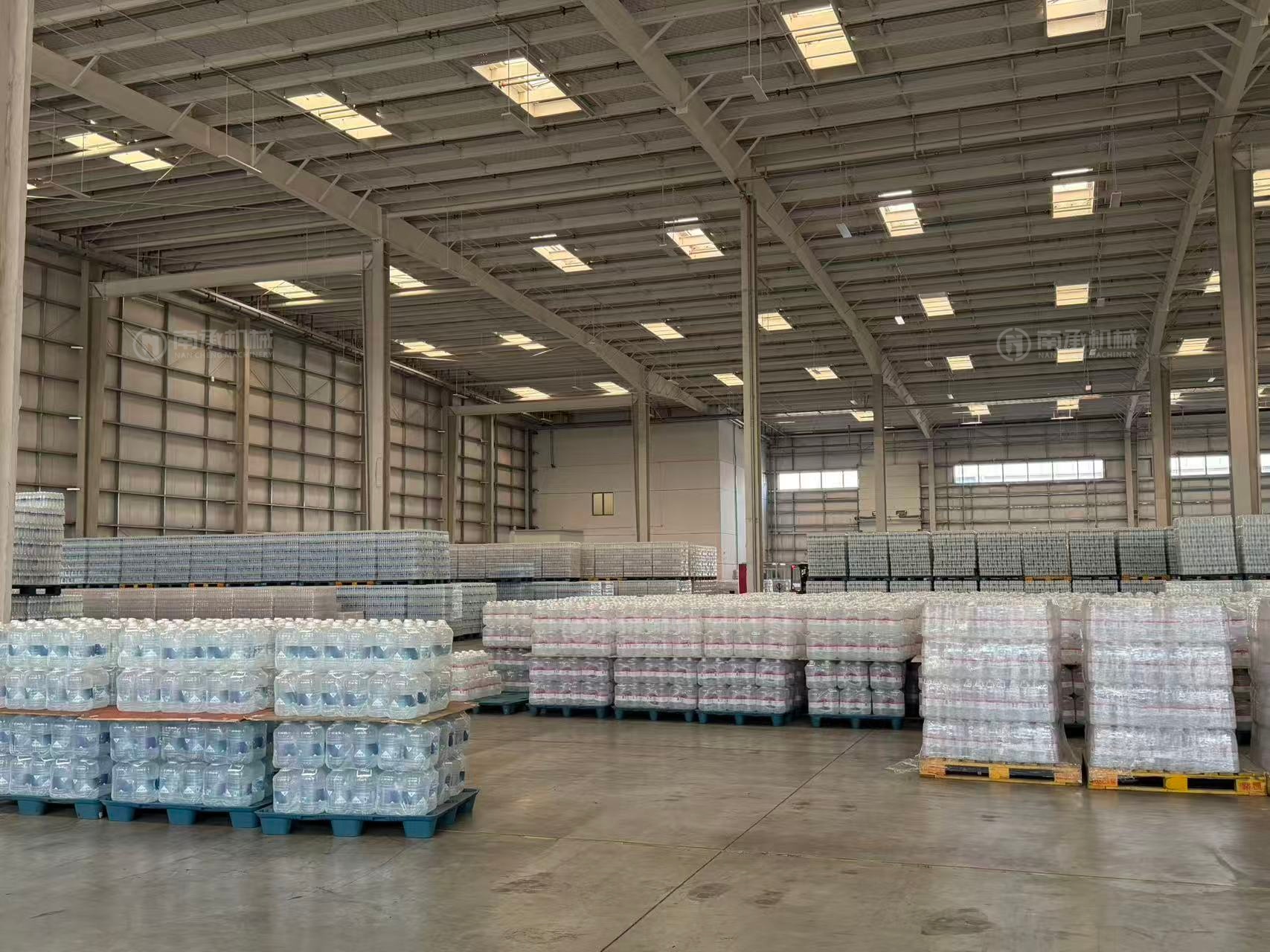
Step 1: Understand the Algerian Bottled Water Market Before You Invest
Before buying machines or renting a factory, the first step is understanding how the Algerian water market actually works.
Consumption Trends
Bottled water is widely consumed in both urban and rural areas
500ml, 1L, and 1.5L PET bottles dominate retail shelves
5L bottles are popular for family use
Price sensitivity is high, but brand trust and consistency matter
Competitive Landscape
Most local producers operate small to medium-scale plants (2,000–6,000 BPH). Fully automated high-speed lines are still limited, which means new entrants with modern equipment can gain efficiency advantages.
For a broader overview of local suppliers and industry players, many investors first review top 10 water bottling machine manufacturers in Algeria to understand the equipment landscape and technology level in the country.
Step 2: Choose the Right Water Source
Your water source defines your treatment system, cost structure, and regulatory path.
Common Water Sources in Algeria
Groundwater (Borehole / Well)
Municipal Water
Natural Spring Water
A professional water analysis report is essential before equipment selection. Skipping this step often leads to oversized or undersized water treatment systems, increasing cost or reducing quality.
Step 3: Licensing, Standards, and Legal Requirements
In Algeria, bottled water production must comply with national food safety and quality regulations. While requirements vary slightly by region, most projects need:
Business registration and industrial license
Water source authorization
Health and hygiene approval
Product labeling compliance
Experienced equipment suppliers usually assist clients by aligning machine configuration with regulatory expectations, which reduces approval delays.
Step 4: Define Your Production Capacity and Bottle Formats
This is where many investors make their first technical mistake: choosing capacity based on emotion, not market reality.
Typical Startup Capacities
2,000–3,000 BPH: Entry-level, low investment
4,000–6,000 BPH: Most popular for new Algerian plants
8,000 BPH and above: Regional distribution focus
Capacity is always calculated based on 500ml bottles, and output will decrease slightly for larger sizes.
Bottle formats usually include:
500ml
1L
1.5L
Optional: 5L
Step 5: Core Equipment Required for a Water Bottling Plant
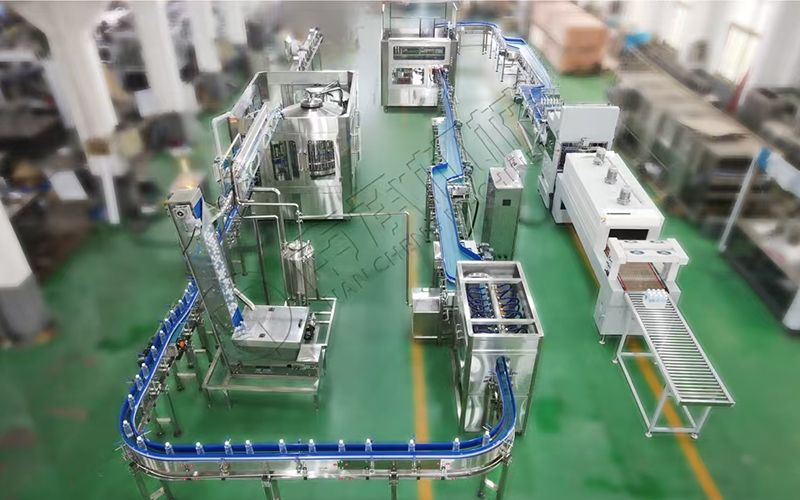
A complete water bottling plant is a system, not a single machine.
1. Water Treatment System
Includes:
This ensures consistent water quality regardless of source variation.
2. Bottle Blowing Machine
Produces PET bottles from preforms, reducing logistics cost.
3. Water Filling Machine
This is the heart of the line. A reliable water filling machine integrates rinsing, filling, and capping in one monoblock for hygiene and efficiency.
4. Labeling Machine
Options include:
OPP hot melt labeling
Shrink sleeve labeling
Sticker labeling
5. Packaging & End-of-Line
A full system solution is often referred to as a complete water bottling plant
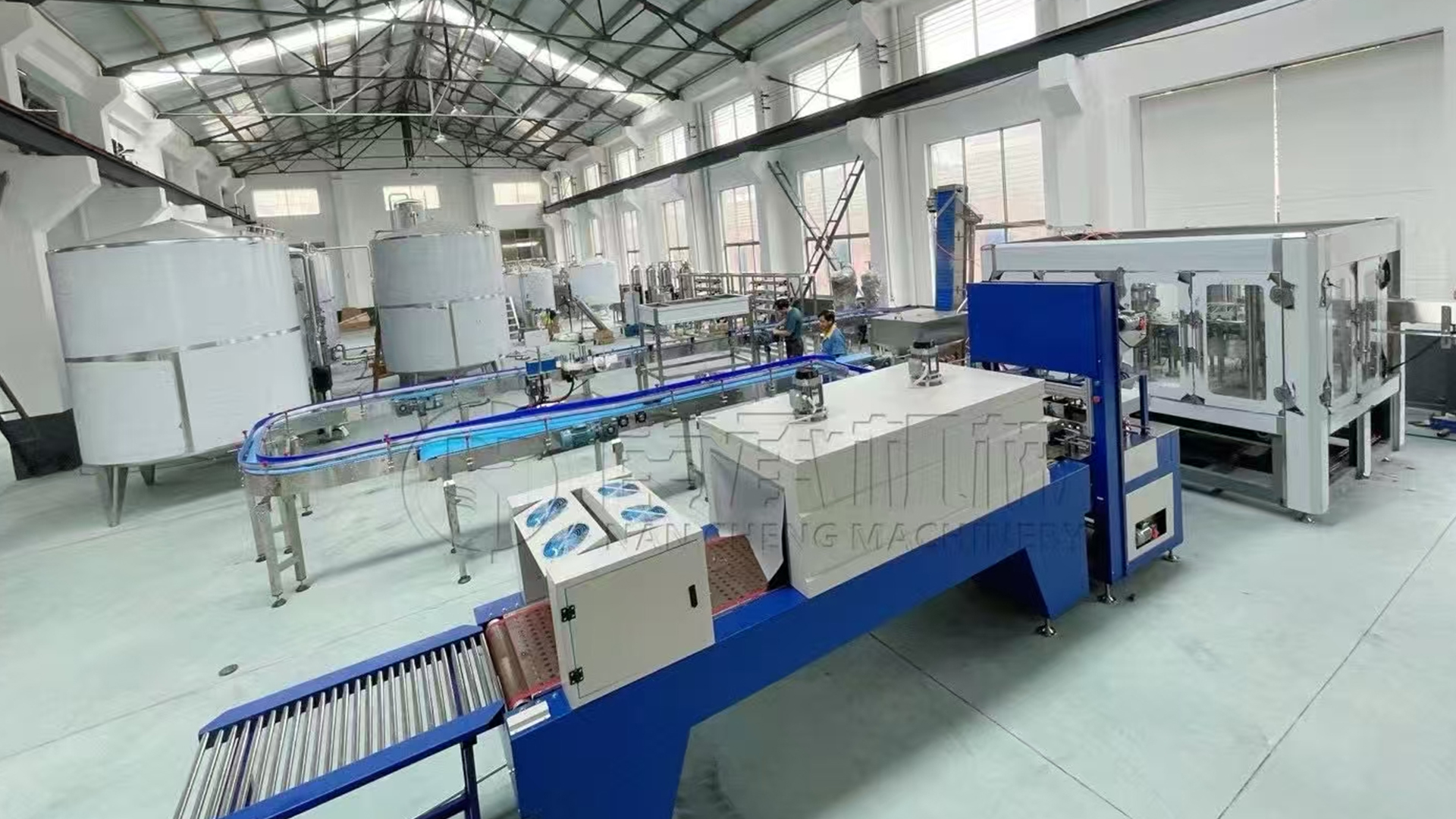
Step 6: How Much Does a Water Bottling Plant Cost in Algeria?
Investment depends on capacity, automation level, and bottle formats.
Typical Cost Ranges (Indicative)
Small plant (2,000–3,000 BPH): Entry-level investment
Medium plant (4,000–6,000 BPH): Balanced cost vs output
High-speed plant (8,000+ BPH): Higher CAPEX, lower unit cost
For a full breakdown including:
Equipment cost
Utilities
Labor
ROI estimation
You should review
Water Bottling Plant Cost in Algeria – Full Investment & ROI Guide
Step 7: Factory Layout and Space Planning
A well-designed layout improves efficiency and hygiene.
General Requirements
Workshop area: 400–1,000 m² depending on capacity
Ceiling height: Minimum 4.5–5 meters
Clear separation between raw water, production, and packaging zones
Professional suppliers usually provide layout drawings before production, avoiding costly on-site changes.
Step 8: Utilities and Operating Conditions
Before installation, confirm:
Ignoring utilities planning is one of the most common causes of delayed commissioning.
Step 9: Installation, Commissioning, and Training
A reliable project includes:
This ensures your team can run the line independently and reduce downtime.
Before choosing a water bottling machine supplier, many investors prefer to understand the entire project process, from water source selection and licensing to factory layout and commissioning.
If you are planning a new project, this A Complete Step-by-Step Guide To Building a Water Bottling Plant in Algeria explains the full process in detail and helps you avoid common mistakes during the early investment stage.
Step 10: Why Equipment Supplier Choice Matters More Than Price
Many failed water plant projects share one thing in common: cheap machines without long-term support.
About Nancheng Machinery
Nancheng Machinery is a professional manufacturer specializing in complete water bottling solutions, with:
Over a decade of export experience
Installations across Africa, Middle East, and Asia
In-house engineering and customization capability
Stable performance-focused designs rather than “price-only” machines
Instead of selling isolated equipment, Nancheng focuses on project-level solutions, helping investors avoid technical mismatches and hidden costs.
If your goal is not just to buy a machine—but to build a profitable, stable water bottling business in Algeria—working with an experienced solution provider makes a measurable difference.
Step 11: Common Mistakes to Avoid
Choosing capacity without market research
Overspending on unnecessary automation
Ignoring water analysis
Buying machines without after-sales support
Underestimating operating costs
Avoiding these mistakes often saves more money than negotiating a lower machine price.
Conclusion: Is Building a Water Bottling Plant in Algeria Worth It in 2026?
Yes—if done correctly.
Algeria’s bottled water demand continues to grow, and the market still allows room for well-planned, efficient, modern plants. Success depends not on luck, but on correct planning, correct equipment, and correct partners.
If you are considering your own project, the next step is not buying machines—it is getting the right technical and investment guidance.
 English
 العربية
 Français
 Русский
 Español
 Português
 Deutsch
 italiano
 Nederlands
 Tiếng Việt
 ไทย
ไทย Polski
 Türkçe
 አማርኛ
አማርኛ Bahasa Melayu
 Filipino
 Bahasa Indonesia
 magyar
 Română
 Čeština
 Монгол
 қазақ
қазақ Српски
 हिन्दी
 فارسی
فارسی Kiswahili
 Slovenčina
 Slovenščina
 Norsk
Norsk Svenska
 українська
 Suomi
Suomi Հայերեն
 Dansk
Dansk اردو
اردو Shqip
Shqip বাংলা
বাংলা Hrvatski
 Eesti keel
 සිංහල
සිංහල नेपाली
 Oʻzbekcha
 latviešu
 Azərbaycan dili
 Български
 ქართული
 Hausa
Hausa Igbo
Igbo Lietuvių
 Soomaali
 Yorùbá


