Tanzania’s soft drink market is quietly heating up. From Dar es Salaam to Mwanza, local beverage brands are expanding, new investors are entering the market, and demand for affordable carbonated drinks keeps rising.
If you are planning to launch or upgrade a soda plant in Tanzania, one question quickly becomes critical: which soda filling machine manufacturer should you trust?
With dozens of global suppliers competing for attention, the decision is not always straightforward. Some companies focus on ultra-high-speed lines for multinational bottlers, while others specialize in flexible, cost-effective systems better suited for emerging markets.
This 2026 guide walks you through ten well-known soda filling machine manufacturers serving Tanzania, what they offer, and how to choose the right partner for your project.
Tanzania’s Carbonated Beverage Market Outlook
Before comparing equipment suppliers, it helps to understand why Tanzania is attracting so much investment in the beverage sector.
Several trends are driving growth:
Rapid urban population expansion
Strong demand for affordable soft drinks
Growth of PET bottled beverages
Expansion of modern retail distribution
Rising number of regional beverage startups
For investors, this creates a sweet spot: demand is growing, but the market is still far from saturated.
However, success depends heavily on choosing the right soda filling machine that balances reliability, cost, and scalability.
Key Features to Look for in a Soda Filling Machine
Not all soda bottling systems perform the same. Tanzanian buyers typically focus on practical, field-proven features rather than overly complex automation.
Isobaric Filling Stability
Carbonated beverages require equal-pressure filling. A reliable machine should provide:
Poor pressure control can lead to product loss and inconsistent quality — two things no growing beverage brand can afford.
Production Capacity Flexibility
In Tanzania, most investors start in the mid-range capacity segment. Common configurations include:
2,000–4,000 BPH for startups
6,000–10,000 BPH for growing brands
12,000+ BPH for large regional producers
Choosing scalable equipment helps avoid expensive upgrades later.
Bottle Type Compatibility
PET bottles dominate the Tanzanian soda market, but some producers still run glass lines. A modern soda filling machine line should support:
PET bottles
Glass bottles
Multiple bottle sizes
Fast changeover
Flexibility is especially valuable for brands testing different product formats.
Turnkey Integration Capability
Many Tanzanian investors prefer complete plants rather than standalone fillers. A full soft drink line may include:
Working with a supplier that can integrate the whole line often reduces project risk.
Top 10 Soda Filling Machine Manufacturers Serving Tanzania
Below are ten recognized equipment suppliers active in the Tanzanian and East African beverage market.
1. Nancheng Machinery
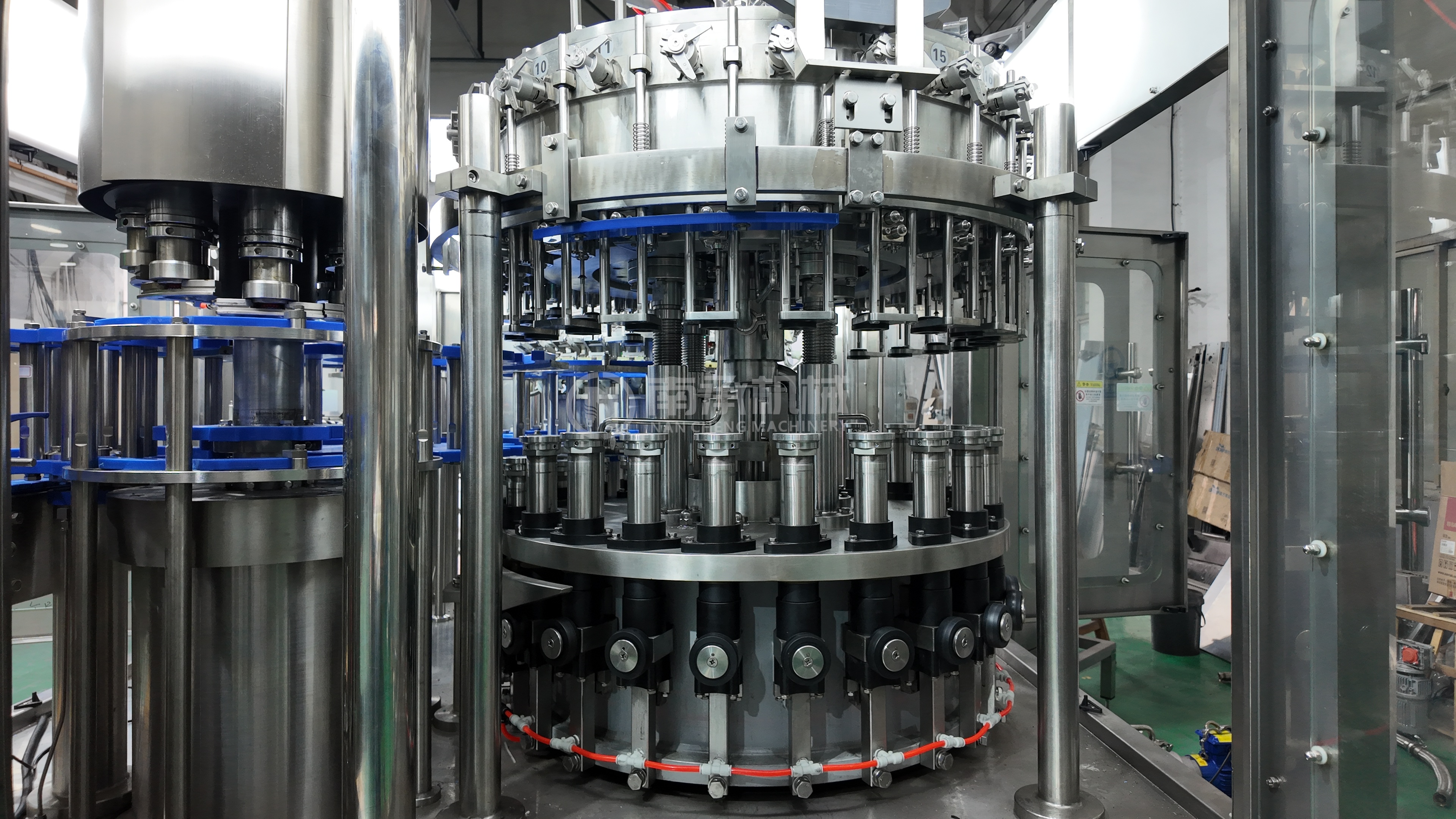
Nancheng Machinery has become increasingly visible among beverage investors looking for practical and cost-effective soda bottling solutions. The company focuses strongly on turnkey beverage plants tailored for emerging markets, including East Africa.
One of the major advantages of Nancheng Machinery is its emphasis on real-world usability. Their systems are designed to be easier to operate and maintain in regions where technical resources may be limited.
The company’s portfolio includes:
PET soda filling machines
Glass bottle carbonated lines
Complete soft drink turnkey plants
Medium and high-speed rotary fillers
Integrated packaging solutions
For Tanzanian investors balancing budget and performance, Nancheng is frequently evaluated as a practical option.
2. KHS Group
KHS is a well-established global supplier of beverage filling technology. The company offers high-end isobaric filling systems typically used by large beverage producers.
Their solutions are known for:
In Tanzania, KHS equipment is usually selected by large-scale bottlers.
3. Sidel
Sidel is widely recognized for its expertise in PET packaging and beverage filling systems. The company provides integrated solutions covering blowing, filling, and labeling.
Key strengths include:
Complete PET line integration
High-speed rotary fillers
Advanced automation platforms
Global service network
Sidel systems are commonly found in high-volume beverage plants.
4. KRONES AG
KRONES is one of the most recognized names in beverage processing and filling technology. Their soda filling systems are engineered for high efficiency and large-scale production environments.
Typical features include:
Sophisticated control systems
Modular line architecture
High reliability in continuous operation
Strong global reputation
KRONES equipment is typically used by major beverage manufacturers.
5. GEA Group
GEA offers a wide range of processing and filling technologies for the beverage industry. While especially strong in processing, the company also provides carbonated beverage filling solutions.
GEA systems often appeal to producers who prioritize process consistency and integrated plant design.
6. IC Filling Systems
IC Filling Systems is known for compact and mid-capacity bottling solutions. Their equipment is often chosen by:
Regional soda producers
Craft beverage companies
Medium-scale investors
They focus on flexible configurations suitable for growing beverage brands.
7. Comac
Comac supplies beverage filling systems across multiple segments, including soft drinks and beer. Their machines emphasize operational flexibility and relatively straightforward installation.
Many mid-sized beverage companies consider Comac when expanding production capacity.
8. SIPA
SIPA is recognized for combining PET packaging expertise with beverage filling technology. Their integrated approach can help producers optimize both bottle production and filling efficiency.
This is particularly relevant for companies planning in-house bottle blowing.
9. OPTIMA Packaging Group
OPTIMA provides advanced filling and packaging systems across various industries. In the beverage sector, the company focuses on precision engineering and customized automation solutions.
Their systems are typically selected for specialized or high-specification projects.
10. CFT Group
CFT Group delivers processing and packaging solutions for food and beverage producers. Their soda filling equipment is often supplied as part of broader turnkey beverage installations.
They are known for combining processing expertise with filling technology.
How Tanzanian Investors Should Choose a Supplier
With multiple reputable manufacturers available, the best choice depends on your specific business stage and goals.
Define Your True Capacity Needs
Many new investors overestimate their initial production requirements. In Tanzania, a realistic starting point is often:
3,000–6,000 BPH for new brands
8,000–12,000 BPH for expanding producers
Starting with the right size helps control both capital investment and operating costs.
Evaluate Total Project Scope
Ask yourself:
Do you need only the filler?
Or a complete soda plant?
Will you produce your own bottles?
What level of automation fits your workforce?
Clear answers make supplier comparison much easier.
Consider After-Sales Support
In East Africa, service support is critical. Before selecting a supplier, check:
Reliable support can save significant downtime in the long run.
Typical Investment Range in Tanzania
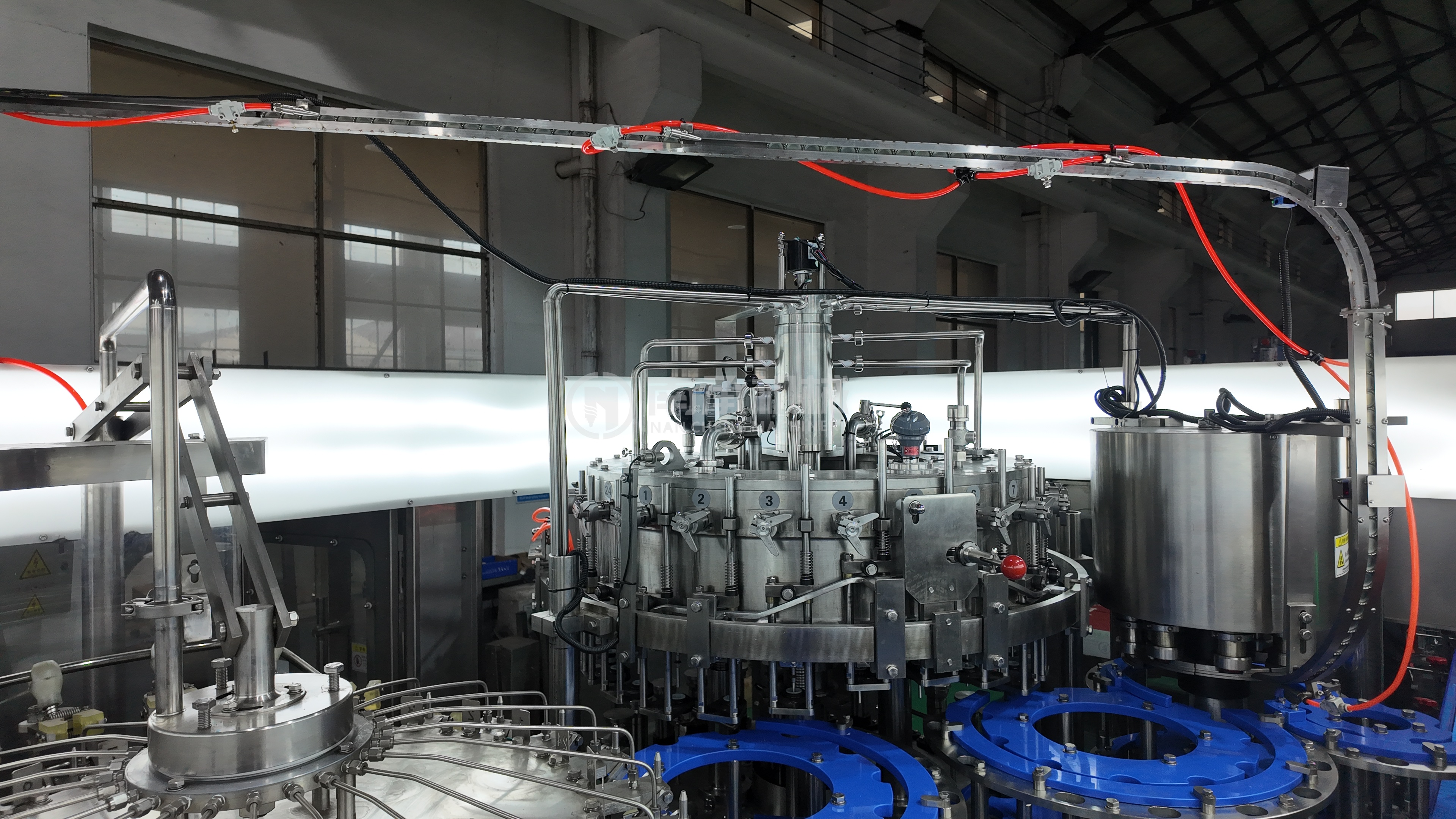
While every project differs, most soda bottling investments in Tanzania fall within these approximate ranges:
Small startup lines: USD 80,000–140,000
Medium automatic lines: USD 150,000–350,000
High-speed industrial plants: USD 500,000+
Final costs depend heavily on automation level, packaging scope, and utility configuration.
Future Trends in Tanzania’s Soft Drink Industry
Looking ahead to 2026 and beyond, several trends are shaping equipment demand.
First, PET bottles will continue to dominate due to cost efficiency and distribution convenience.
Second, mid-speed flexible lines are gaining popularity among regional beverage brands.
Third, turnkey solutions are increasingly preferred by new investors who want single-source responsibility.
Finally, energy-efficient and water-saving designs are becoming more important as operating costs rise.
Final Thoughts
Tanzania’s carbonated beverage sector continues to offer strong growth potential for both new entrants and established producers. The key to success lies in selecting equipment that matches your real production needs, budget, and long-term expansion plan.
Rather than simply choosing the biggest brand, focus on the supplier that offers the right balance of reliability, service support, and practical performance.
With the right soda filling machine partner and a well-planned production strategy, your Tanzanian soft drink project can scale efficiently and compete confidently in this fast-growing market.
 English
 العربية
 Français
 Русский
 Español
 Português
 Deutsch
 italiano
 Nederlands
 Tiếng Việt
 ไทย
ไทย Polski
 Türkçe
 አማርኛ
አማርኛ Bahasa Melayu
 Filipino
 Bahasa Indonesia
 magyar
 Română
 Čeština
 Монгол
 қазақ
қазақ Српски
 हिन्दी
 فارسی
فارسی Kiswahili
 Slovenčina
 Slovenščina
 Norsk
Norsk Svenska
 українська
 Suomi
Suomi Հայերեն
 Dansk
Dansk اردو
اردو Shqip
Shqip বাংলা
বাংলা Hrvatski
 Eesti keel
 සිංහල
සිංහල नेपाली
 Oʻzbekcha
 latviešu
 Azərbaycan dili
 Български
 ქართული
 Hausa
Hausa Igbo
Igbo Lietuvių
 Soomaali
 Yorùbá


