Starting a water bottling business in Ghana can be one of the most practical FMCG investments—if you build it the right way from day one. But “right way” doesn’t mean buying random machines and hoping for sales. It means planning your water production line, water source, product positioning, packaging, compliance, and distribution like a real business.
This 2026 guide is written for entrepreneurs, first-time investors, and factory owners who want a clear, step-by-step roadmap—from idea to production and market launch—while avoiding the most common (and expensive) mistakes.
Along the way, you’ll also see how Nancheng Machinery supports Ghana projects with turnkey solutions, layout design, and long-term technical assistance—so you can move faster with fewer risks.
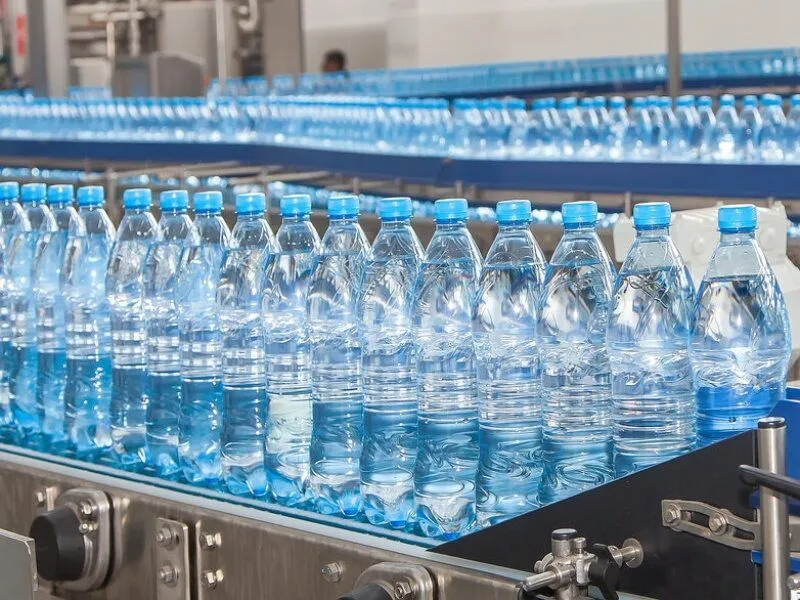
Step 1 — Define Your Business Model Before Buying Any Machines
Most water bottling projects fail for one simple reason: the investor starts with equipment, not with the business model.
Ask these questions first:
What type of packaged water will you sell?
Common categories in Ghana include:
Purified drinking water (RO-treated)
Natural mineral water (if you have a qualified source)
Still water in PET bottles (500 ml, 750 ml, 1.5 L)
(Optional) sachet water (different machinery, different market)
Who is your target customer?
Your production and packaging should match your route-to-market:
Supermarkets and modern retail (quality + branding heavy)
Wholesalers and distributors (price competitive)
Institutions (schools, hotels, events, offices)
Regional distribution beyond Accra (logistics and shelf stability matter)
What is your starting capacity (BPH)?
BPH = bottles per hour. In Ghana, most startups begin with:
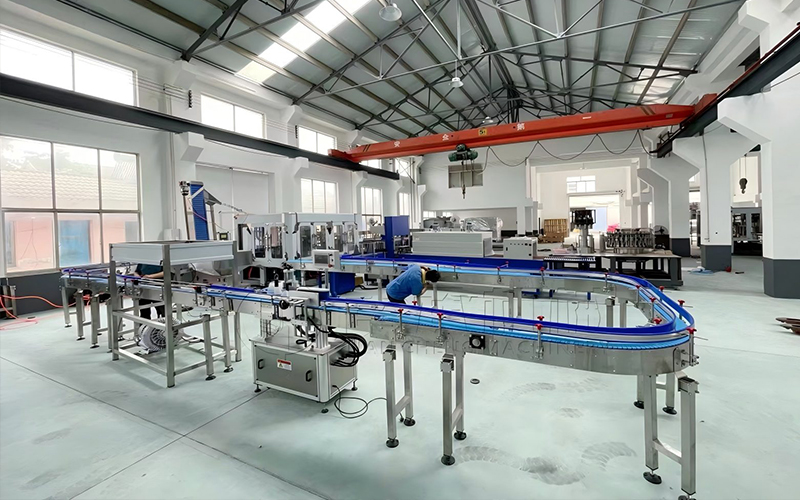
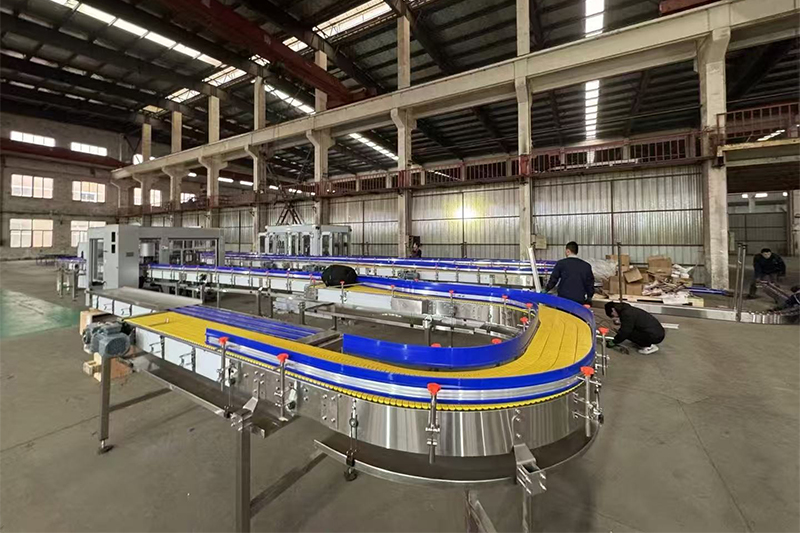
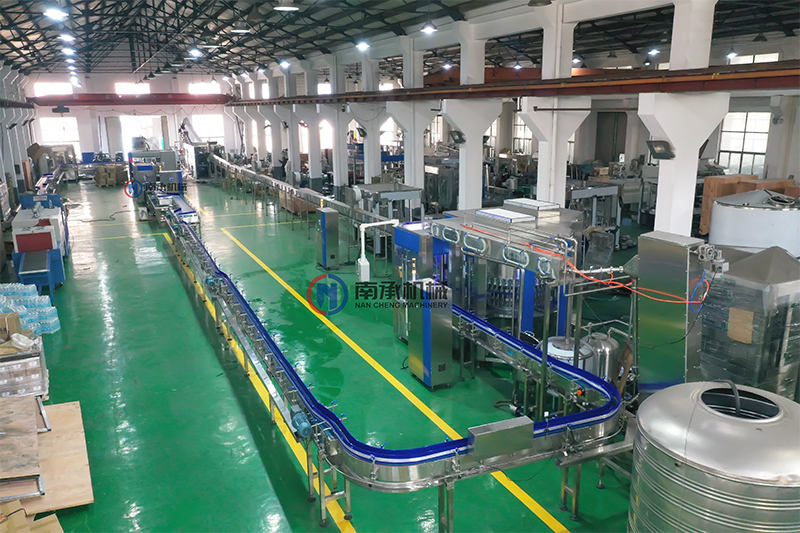
If you’re unsure, don’t guess—build a simple sales forecast first, then match capacity.
Step 2 — Understand Compliance, Licensing, and Local Requirements
Before you install anything, clarify the compliance path for your location and product. Ghana’s requirements can vary depending on region and product type, but the general rule is:
Treat compliance as part of your investment
You’ll likely need:
Company registration and factory operating approvals
Product labeling compliance
Water quality testing plan (micro + chemical)
A documented sanitation / cleaning routine (CIP concept, even in small plants)
This step prevents delays later—especially when you start distributing through formal retail channels.
Step 3 — Secure a Reliable Water Source
A water bottling plant is like a bakery. Flour quality determines bread quality. Here, water quality and stability determine everything.
Options for water source
Borehole water (most common for factories)
Municipal water (may require storage + consistency control)
Natural spring/mineral source (only if verified and protected)
What to test before designing the water treatment
Do a full water test (at least once in dry season and rainy season, if possible) including:
TDS, turbidity, hardness, iron, manganese
Microbiology indicators
pH and conductivity
Why this matters: your water treatment configuration (sand filter, carbon filter, softener, RO, UV, ozone) depends on the raw water.
Step 4 — Choose the Right Production Process (Purified vs Mineral Water)
Purified water plant (most common startup path)
Typical process:
Raw water → pre-filtration → activated carbon → softening (if needed) → RO system → UV/ozone → storage tank → filling
This model is scalable and works well across Ghana because it can handle inconsistent raw water.
Mineral water plant (higher brand value, stricter control)
If you have a stable mineral source, you may do:
Raw water → pre-filtration → activated carbon → softening (if needed) → UF filtration → UV → storage → filling
(RO is usually not used because it removes minerals—unless you later remineralize.)
Step 5 — Plan Your Factory Layout Like a Production System
A professional layout reduces contamination risk, improves efficiency, and makes maintenance easier.
Minimum functional zones
Raw water intake + pretreatment area
Water treatment + clean water tanks
Bottle blowing area (if you produce bottles)
Filling + capping area (clean zone)
Labeling + packaging
Finished goods storage
QC corner (basic lab table)
One-way flow principle
Try to design a flow where:
raw materials → processing → packaging → warehouse
…without crossing paths.
This helps with hygiene management and daily operations.
Step 6 — Select the Correct Equipment Configuration
Now we talk machines—but in the correct order.
If you want to compare suppliers and options in Ghana, see:
https://nc-machinery.com/water-bottling-machine-manufacturers-in-ghana.html
Below is the most common PET bottled water configuration:
6.1 Water Treatment System (RO + Filtration)
Core components often include:
Multimedia (sand) filter
Activated carbon filter
Water softener (when hardness is high)
RO unit (single or double pass depending on raw water)
UV sterilizer + ozone generator
Clean water tank + piping
6.2 Bottle Production: Buy Bottles or Blow Bottles?
You have two main options:
Option A — Buy finished bottles
Pros:
Lower investment
Faster startup
Cons:
Option B — Buy preforms and blow bottles in-house
Pros:
Lower unit cost at scale
Better supply control
Cons:
For most Ghana SMEs aiming for growth, preform + blowing is a strong long-term path.
6.3 The Filling Line: The Heart of Your Plant
This is where production stability and hygiene matter most.
If you’re evaluating models, the product page is here:
water filling machine:
A standard PET water line typically uses a:
Rinsing + filling + capping 3-in-1 monoblock
Food-grade stainless steel contact parts
CIP-ready structure (depending on model)
Accurate filling control and stable capping torque
6.4 Labeling and Packaging Options
Typical Ghana packaging choices:
OPP hot melt labeling (cost-effective at scale)
Sticker labeling (flexible for small batches)
Shrink sleeve (premium look, higher cost)
Packaging choices affect:
Unit cost
Shelf appeal
Distributor acceptance
Step 7 — Estimate Budget and Choose the Right Investment Level
You don’t need to guess your budget. Build it from modules.
For a detailed investment breakdown and ROI logic, read:
https://nc-machinery.com/Water-Bottling-Plant-Cost-in-Ghana.html
A simple way to think about investment
Your total budget typically includes:
Equipment (water treatment + filling + packaging)
Utilities (air, power, water source, drainage)
Packaging materials working capital (preforms/caps/labels/film)
Installation and commissioning cost
Certification/testing and launch marketing
If you want a turnkey equipment overview (with configuration logic), please see this turnkey water bottling plant sulution.
Step 8 — Build Your Operating Plan (People, Power, Materials)
A water bottling factory doesn’t run itself—even with automation.
Staffing (practical baseline)
For a 2,000–4,000 BPH line:
1 supervisor / line leader
1 water treatment operator
2–4 production workers
1 QC assistant (part-time is okay at the start)
1 warehouse / loading staff
Utilities checklist
Stable electricity (or backup generator strategy)
Compressed air system (especially if blowing bottles)
Clean drainage design
Basic spare parts plan (seals, sensors, valves, nozzles)
Packaging supply chain
In Ghana, your supply stability depends on:
preform/cap sourcing plan
label printing plan
shrink film/carton availability
inventory strategy (don’t stock out, don’t overstock)
Step 9 — Quality Control: What to Measure Daily, Weekly, Monthly
Quality is not a “big factory thing.” It’s a survival thing—especially when you want repeat orders.
Daily checks
TDS and conductivity of treated water
Visual clarity, odor, taste (simple sensory check)
Cap torque consistency
Fill level consistency
Label positioning and packaging integrity
Weekly/monthly checks
Micro test plan with local labs (basic compliance and brand protection)
Filter replacement records
Sanitization verification records
This is also a key factor for working with institutions and modern retail.
Step 10 — Branding, Pricing, and Route-to-Market (Where Your Profit Actually Comes From)
Even if your equipment is perfect, you still need a sales system.
Choose your battle: premium vs mass market
Premium: better margins, harder brand building
Mass: faster volume, tight pricing pressure
Distribution strategy (realistic for new brands)
Many successful startups use:
1–2 strong distributors per region
aggressive sampling + repeat supply reliability
visible packaging (label design matters more than you think)
Practical pricing logic
Your pricing should cover:
packaging cost (often the biggest part)
production cost (power, labor, maintenance)
distributor margin
marketing + logistics
profit buffer for expansion
Step 11 — Timeline: How Long Does It Take to Launch?
Here’s a practical “from zero to production” view:
Phase | Typical Duration |
Feasibility + water test + business plan | 2–4 weeks |
Layout + equipment configuration + quotation | 1–2 weeks |
Production of machines + FAT testing | 6–12+ weeks (depends on customization) |
Shipping + customs + site preparation | 3–6 weeks |
Installation + commissioning + training | 4-8 weeks |
Trial production + market launch | 1–2 weeks |
If your site is prepared early, you shorten the total time significantly.
Step 12 — Common Mistakes Ghana Investors Should Avoid
Mistake 1 — Buying equipment before testing water
Wrong treatment design = endless problems.
Mistake 2 — Underestimating packaging working capital
You can have machines but no preforms, caps, or labels—then your factory stops.
Mistake 3 — Choosing the lowest-price supplier with weak after-sales
Downtime is more expensive than equipment.
Mistake 4 — No layout planning
Cross-contamination risk and inefficient production flow can kill your brand early.
Why Nancheng Machinery Is a Strong Partner for Ghana Water Bottling Projects
If you’re building a water bottling plant for the first time, you don’t just need machines—you need a partner who has already done it many times and knows the “hidden details” that affect performance.
What Nancheng Machinery Provides
Complete project support: water treatment + blowing + filling + labeling + packaging
Layout design guidance based on your workshop size and target capacity
Stable, proven configurations for African markets
FAT testing, installation guidance, operator training
Long-term spare parts and technical support
Final Checklist — What You Need to Start Your Ghana Water Bottling Plant
Before you place an order, confirm you have:
Target bottle sizes and expected daily sales volume
Raw water test report (or plan to test immediately)
Workshop dimensions (length/width/height)
Power supply condition + backup plan
Packaging supply plan (preforms/caps/labels/film)
Budget range and preferred automation level
Your brand positioning and distribution plan
Ready to Build? Get a Customized Proposal for Ghana
If you tell us:
your target capacity (BPH)
bottle sizes (500 ml / 1.5 L / mixed)
your water source type (borehole/municipal)
your workshop size
Nancheng Machinerycan prepare a complete configuration + layout suggestion + investment plan that matches your real situation—so you don’t waste money on the wrong setup.
 English
 العربية
 Français
 Русский
 Español
 Português
 Deutsch
 italiano
 Nederlands
 Tiếng Việt
 ไทย
ไทย Polski
 Türkçe
 አማርኛ
አማርኛ Bahasa Melayu
 Filipino
 Bahasa Indonesia
 magyar
 Română
 Čeština
 Монгол
 қазақ
қазақ Српски
 हिन्दी
 فارسی
فارسی Kiswahili
 Slovenčina
 Slovenščina
 Norsk
Norsk Svenska
 українська
 Suomi
Suomi Հայերեն
 Dansk
Dansk اردو
اردو Shqip
Shqip বাংলা
বাংলা Hrvatski
 Eesti keel
 සිංහල
සිංහල नेपाली
 Oʻzbekcha
 latviešu
 Azərbaycan dili
 Български
 ქართული
 Hausa
Hausa Igbo
Igbo Lietuvių
 Soomaali
 Yorùbá


