Introduction: Why Morocco Is a Promising Market for Bottled Water
Morocco is one of the most attractive bottled water markets in North Africa. With a growing population, accelerating urbanization, strong tourism activity, and increasing awareness of drinking water quality, demand for packaged drinking water continues to rise steadily. From Casablanca and Rabat to Marrakech, Agadir, and Tangier, bottled water is not just a convenience product—it is a daily necessity for households, hotels, restaurants, and offices.
For entrepreneurs and investors, building a water bottling plant in Morocco in 2026 offers a realistic opportunity with long-term growth potential. However, success depends on more than just buying machines. You need a clear understanding of the local market, regulations, water sources, production costs, and the right equipment configuration.
This guide walks you through the entire process step by step, from initial planning to commercial operation, with practical insights tailored specifically to Morocco’s market conditions.
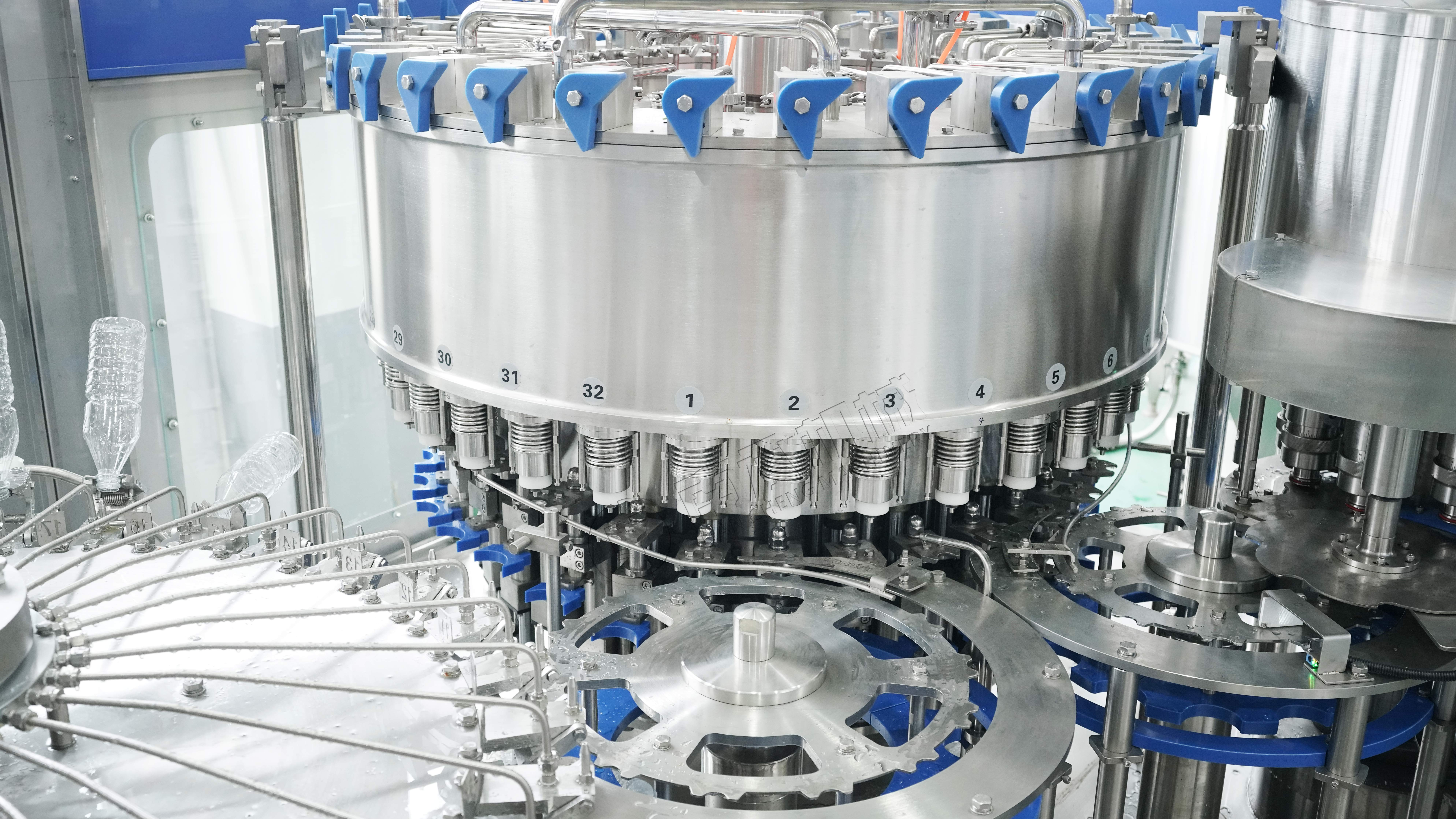
Step 1: Understand the Bottled Water Market in Morocco
Before any technical decision, you must understand the market you are entering.
Market Demand & Consumption Trends
Morocco has a hot and semi-arid climate in many regions, which naturally drives high water consumption. Bottled water consumption is increasing due to:
Concerns about tap water taste and mineral content
Growth of tourism and hospitality sectors
Rising middle-class population
Expansion of modern retail channels (supermarkets, convenience stores)
Common bottle sizes in Morocco include 0.5L, 1L, 1.5L, and 5L. Large-format bottles (10L–19L) are also popular for offices and households using water dispensers.
Competitive Landscape
The market includes both well-established national brands and strong regional players. Competition is intense, especially in small bottle formats, which makes cost control, packaging design, and production efficiency critical for new entrants.
If you are new to the industry, studying local competitors’ pricing, bottle shapes, label styles, and packaging formats is essential before finalizing your own product strategy.
For an overview of local suppliers and industry players, you can refer to this resource on water bottling machine manufacturers in Morocco.
Step 2: Legal Requirements & Regulatory Compliance in Morocco
Water bottling is a regulated industry in Morocco. Early compliance planning will save you time and money.
Business Registration & Licensing
You will need:
A legally registered company in Morocco
Industrial activity approval from local authorities
Environmental impact assessment (if required by capacity and location)
Water Source Authorization
Whether you use spring water, well water, or municipal water, you must obtain official authorization for water extraction and usage. Water quality testing by certified laboratories is mandatory.
Food Safety & Quality Standards
Your factory must comply with Moroccan food safety regulations, including:
Most serious investors also align with international standards such as ISO 9001 and food safety management systems to support future export opportunities.
Step 3: Choosing the Right Water Source
Your water source directly affects product positioning, treatment cost, and long-term sustainability.
Common Water Sources in Morocco
Groundwater (wells): Most common option; requires drilling, pumps, and water analysis
Spring water: Higher branding value but stricter approval and protection requirements
Municipal water: Easier approval but higher operating cost and heavier treatment
A detailed water analysis report is the foundation for designing the correct water treatment system. Without it, equipment selection becomes guesswork.
Step 4: Water Treatment System Design
Water treatment is the heart of any bottled water plant. In Morocco, water quality varies significantly by region, so systems must be customized.
A typical system may include:
Multi-media filtration (sand, carbon)
Water softening (if hardness is high)
Reverse osmosis (RO) for purification
UV sterilization and/or ozone disinfection
Mineral adjustment (for taste consistency)
The final configuration depends on your raw water quality and the type of water you plan to sell (purified drinking water, mineral water, etc.).
Step 5: Selecting the Right Bottling Line Equipment
This is where many projects succeed or fail. Equipment must match your target capacity, bottle types, and budget.
Core Equipment in a Water Bottling Plant
A complete line typically includes:
Bottle blowing machine (if producing PET bottles in-house)
Rinsing, filling, and capping monoblock
Labeling machine (OPP, shrink sleeve, or sticker)
Date coding system
Shrink wrapping or cartoning machine
Palletizing (optional, depending on scale)
Choosing a reliable water filling machine is critical for stable output, hygiene, and low product loss.
If you are planning a full turnkey solution, this overview of a complete water bottling plant configuration provides a clear reference.
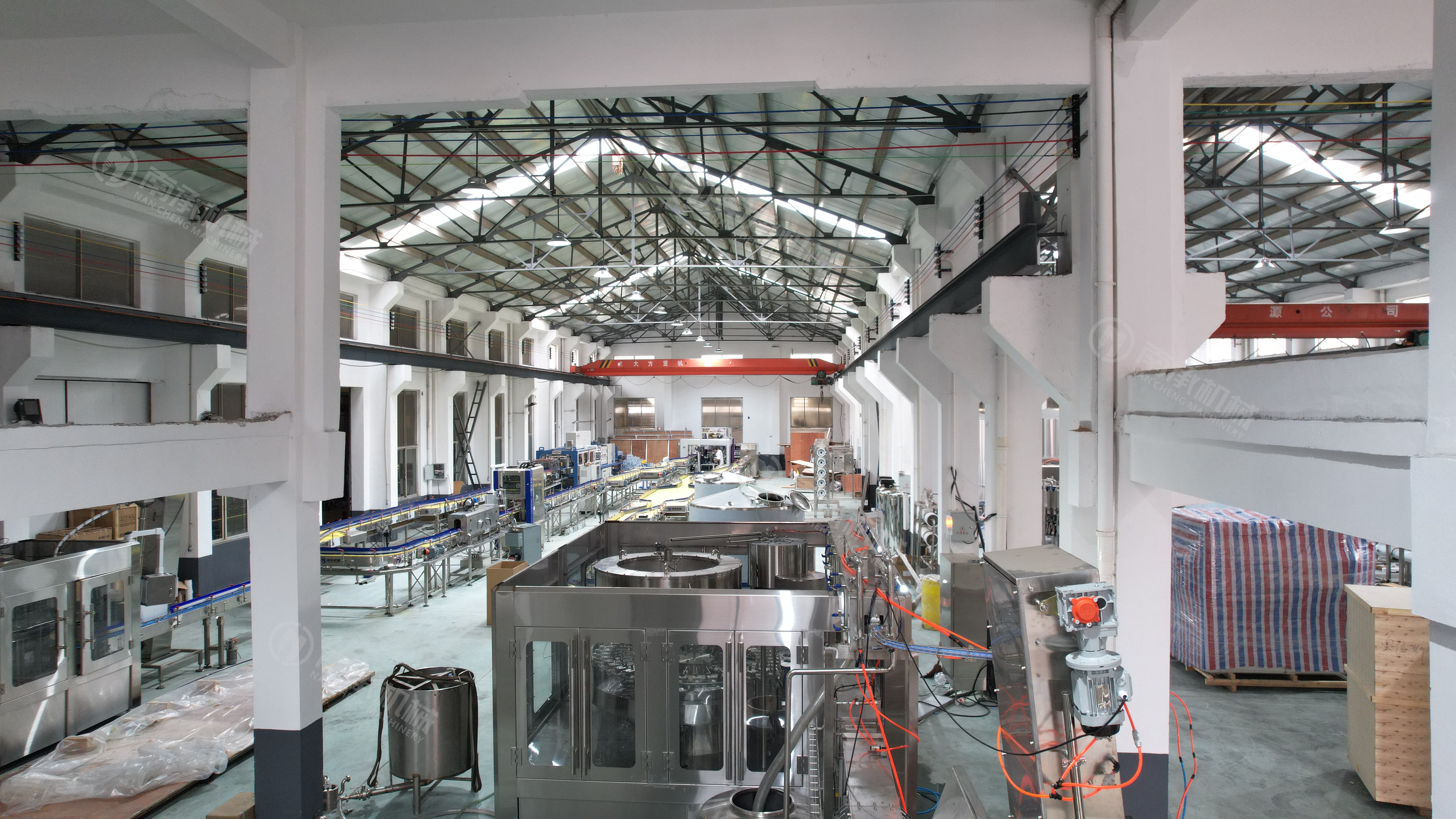
Step 6: Capacity Planning – How Many Bottles Per Hour?
Capacity should be based on realistic market demand and working hours, not optimism.
Typical entry-level capacities in Morocco:
2,000–3,000 BPH: Small local brands
4,000–6,000 BPH: Regional distribution
8,000–12,000 BPH: National-level competition
Remember: higher speed means higher investment, higher power consumption, and stricter maintenance requirements.
Step 7: Factory Layout & Infrastructure Planning
A well-designed layout improves efficiency and hygiene.
Key areas include:
Adequate space for future expansion should be considered from the start, especially if you plan to add larger bottle formats later.
Step 8: Investment Cost & Budget Planning
Understanding the full investment is essential for decision-making.
Main Cost Components
Water treatment system
Bottling line machinery
Bottle molds and packaging materials
Factory construction or renovation
Utilities (electricity, water, compressed air)
Labor and training
For a detailed breakdown and ROI analysis, refer to the guide on Water Bottling Plant Cost in Morocco – Full Investment & ROI Guide.
Step 9: Choosing the Right Equipment Supplier
Your equipment supplier is your long-term partner, not just a vendor.
Why Work with Nancheng Machinery
Nancheng Machinery has over 20 years of experience in water and beverage bottling solutions, with installations in more than 60 countries across Africa, the Middle East, and Europe.
Key advantages include:
Customized solutions based on local water quality
Stable, food-grade equipment design
Competitive pricing with reliable performance
Full technical support from design to commissioning
By working with an experienced manufacturer, you reduce project risk and shorten your time to market.
Step 10: Installation, Commissioning & Training
After equipment delivery, professional installation and commissioning ensure your plant runs as designed.
This phase includes:
Mechanical and electrical installation
Water treatment tuning
Trial production and quality checks
Operator and maintenance training
Proper training significantly reduces downtime and operating errors in the first year of production.
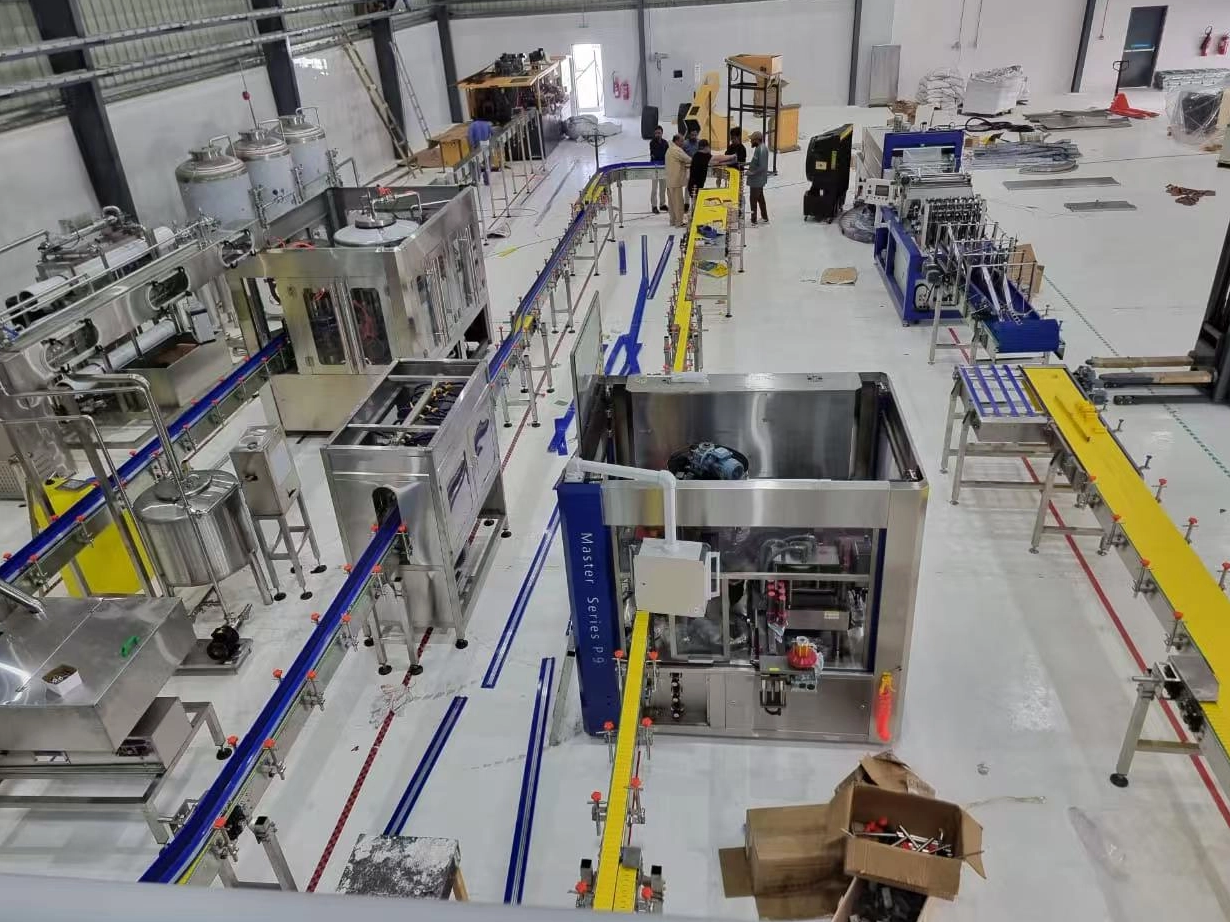
Step 11: Branding, Packaging & Market Entry Strategy
In Morocco’s competitive market, packaging matters.
Consider:
Bottle shape and weight optimization
Label design aligned with local taste
Clear positioning (price-focused vs premium)
Even a technically perfect plant needs strong branding to succeed commercially.
Step 12: Long-Term Operation & Expansion Planning
Once your plant is running, focus on:
Many successful Moroccan water brands started with one line and expanded step by step as market demand grew.
Final Thoughts: Is Building a Water Bottling Plant in Morocco Worth It?
In 2026, Morocco remains a solid and realistic market for bottled water investment. With the right planning, reliable equipment, and a clear market strategy, a water bottling plant can achieve stable returns and long-term growth.
If you are considering this project, working with an experienced supplier like Nancheng Machinery can make the difference between a smooth launch and costly delays.
For tailored technical solutions, budget estimation, or feasibility analysis, you are encouraged to contact the Nancheng Machinery team and start your project with confidence.
 English
 العربية
 Français
 Русский
 Español
 Português
 Deutsch
 italiano
 Nederlands
 Tiếng Việt
 ไทย
ไทย Polski
 Türkçe
 አማርኛ
አማርኛ Bahasa Melayu
 Filipino
 Bahasa Indonesia
 magyar
 Română
 Čeština
 Монгол
 қазақ
қазақ Српски
 हिन्दी
 فارسی
فارسی Kiswahili
 Slovenčina
 Slovenščina
 Norsk
Norsk Svenska
 українська
 Suomi
Suomi Հայերեն
 Dansk
Dansk اردو
اردو Shqip
Shqip বাংলা
বাংলা Hrvatski
 Eesti keel
 සිංහල
සිංහල नेपाली
 Oʻzbekcha
 latviešu
 Azərbaycan dili
 Български
 ქართული
 Hausa
Hausa Igbo
Igbo Lietuvių
 Soomaali
 Yorùbá


