Starting a water bottling plant can be one of the most lucrative business ventures for entrepreneurs and investors in South Africa. With rising urbanization, growing awareness of safe drinking water, and expanding retail channels, demand for packaged water continues to rise year after year. But where do you start? What infrastructure and licenses are required? And how much capital will you need?
This guide walks you through every step — from concept to launch and beyond, including cost estimates and critical regulatory requirements.
Whether you’re planning a small startup or a medium-scale bottling operation, you’ll gain a clear roadmap and strategic insights to build your business successfully.
Why Start a Water Bottling Plant in South Africa?
South Africa’s bottled water market continues to grow steadily due to:
Increasing health awareness and preference for safe, clean drinking water
Growth in modern retail and distribution channels
Urban population expansion and tourism hubs
Reputation of packaged water as a daily consumer staple
Consequently, water bottling is not just a business idea — it’s a scalable investment with strong ROI opportunities when executed right.
Step 1 — Market Research & Business Plan
Before anything else — do your homework.
Start with in-depth market research:
Identify gaps in local demand (urban vs rural consumption)
Understand price points across regions
Estimate potential monthly/annual sales
Identify competitors and their positioning
Evaluate distribution networks like retail, direct sales, and B2B customers
Then prepare a thorough business plan. This document should articulate:
A solid business plan not only prepares you for operations but also helps secure financing from investors or financial institutions if needed.
Step 2 — Decide on Production Capacity
Production capacity determines equipment choice, factory size, staffing, and investment.
Typical capacity tiers include:
Small-Scale Plant: 500–2,000 bottles/hour — suitable for local markets
Medium Scale Plant: 2,000–5,000 bottles/hour — regional market focus
Large Scale Plant: 5,000+ bottles/hour — national distribution
Your target audience and distribution strategy help determine capacity. For most startups, the small- or medium-scale range balances manageable costs and market reach.
Step 3 — Legal Requirements & Licensing in South Africa
Operating a water bottling plant requires compliance with multiple authorities:
Business Registration
Register your company with the Companies and Intellectual Property Commission (CIPC) to obtain legal status and a tax ID.
Health & Safety Compliance
Water bottling is a food production business, so you need to adhere to national food safety regulations. This includes compliance with:
SANS 241 Drinking Water Standard
Regulation R718 (Packaged Water Regulations)
Ongoing quality testing as mandated by law
Water Source Licensing
If you plan to draw from groundwater or spring sources, a Water Use License from the Department of Water and Sanitation is necessary. This step involves hydrological assessments and environmental compliance.
SANBWA Membership (Strategic Industry Support)
Join the South African National Bottled Water Association (SANBWA). Membership lends credibility, provides industry insights, and helps with compliance guidelines.
Step 4 — Secure Your Water Source
Water is your core raw material. Your options typically include:
Municipal supply
Boreholes or groundwater
Natural springs
Each source type has implications:
Always conduct chemical and microbiological testing to define your purification requirements.
Step 5 — Choose the Right Equipment
The right machinery ensures quality, efficiency, and profitability.
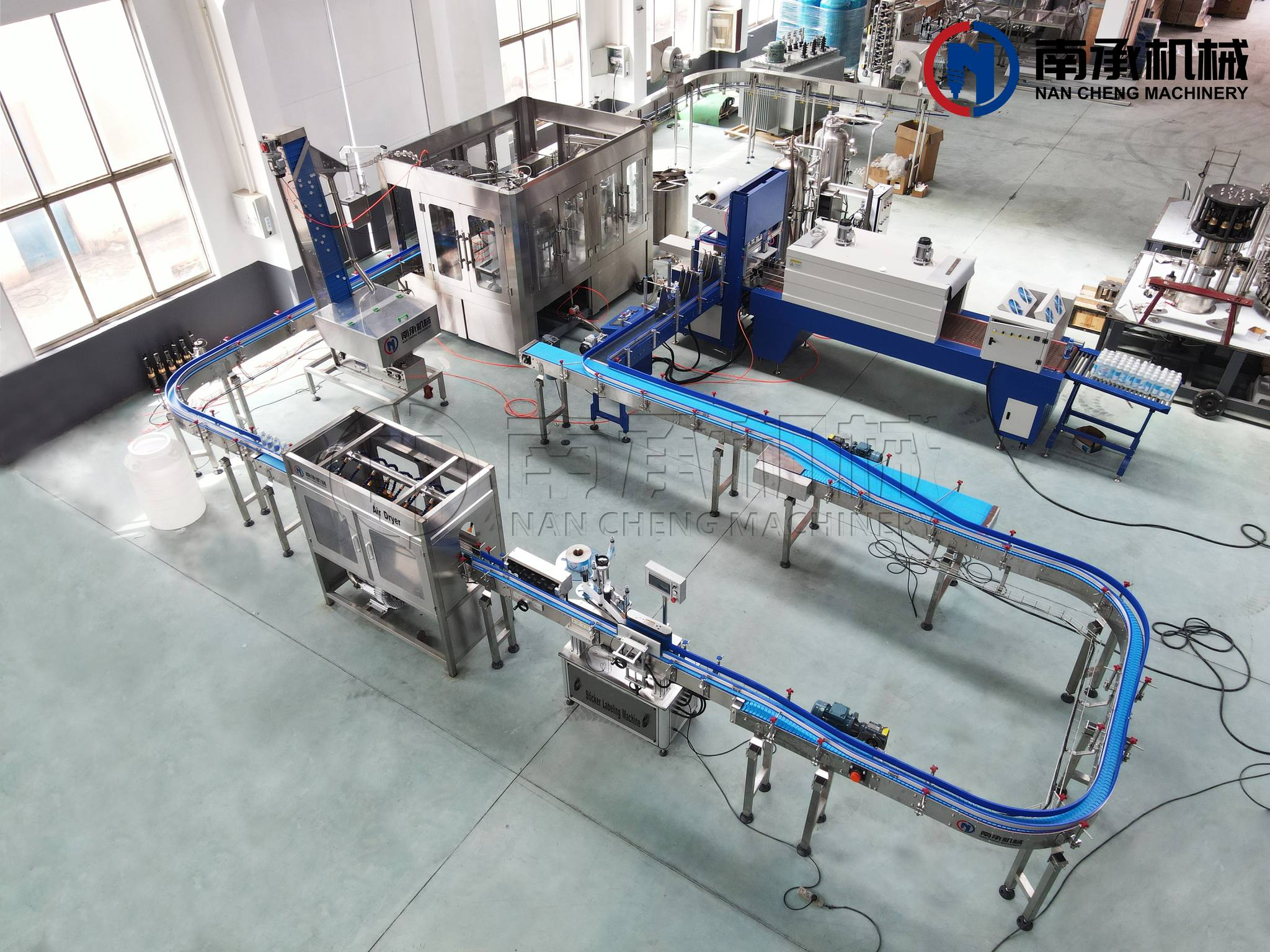
Essential Equipment Includes:
Water Treatment & Purification System — RO, UV sterilization, filtration
Bottle Washing Unit — Ensures hygienic washing before filling
Filling & Capping Machines — The core of your bottling line
Labeling & Packaging Station — For branding & final packaging
Storage & Conveyor Systems
A key component is the water filling machine — choose reliable automation to maintain consistency and save on labor.
If you’re ready for high-quality, dependable equipment, explore Nancheng Machinery’s water filling machine solutions: https://nc-machinery.com/water-filling-machine.html
And for complete filling line options, check out Nancheng’s water bottling plant solutions: https://nc-machinery.com/water-bottling-plant.html
Equipment Costs
Equipment costs vary by capacity:
In South Africa, full systems can range widely depending on automation and output — from smaller setups costing a few hundred thousand ZAR to multi-million ZAR installations.
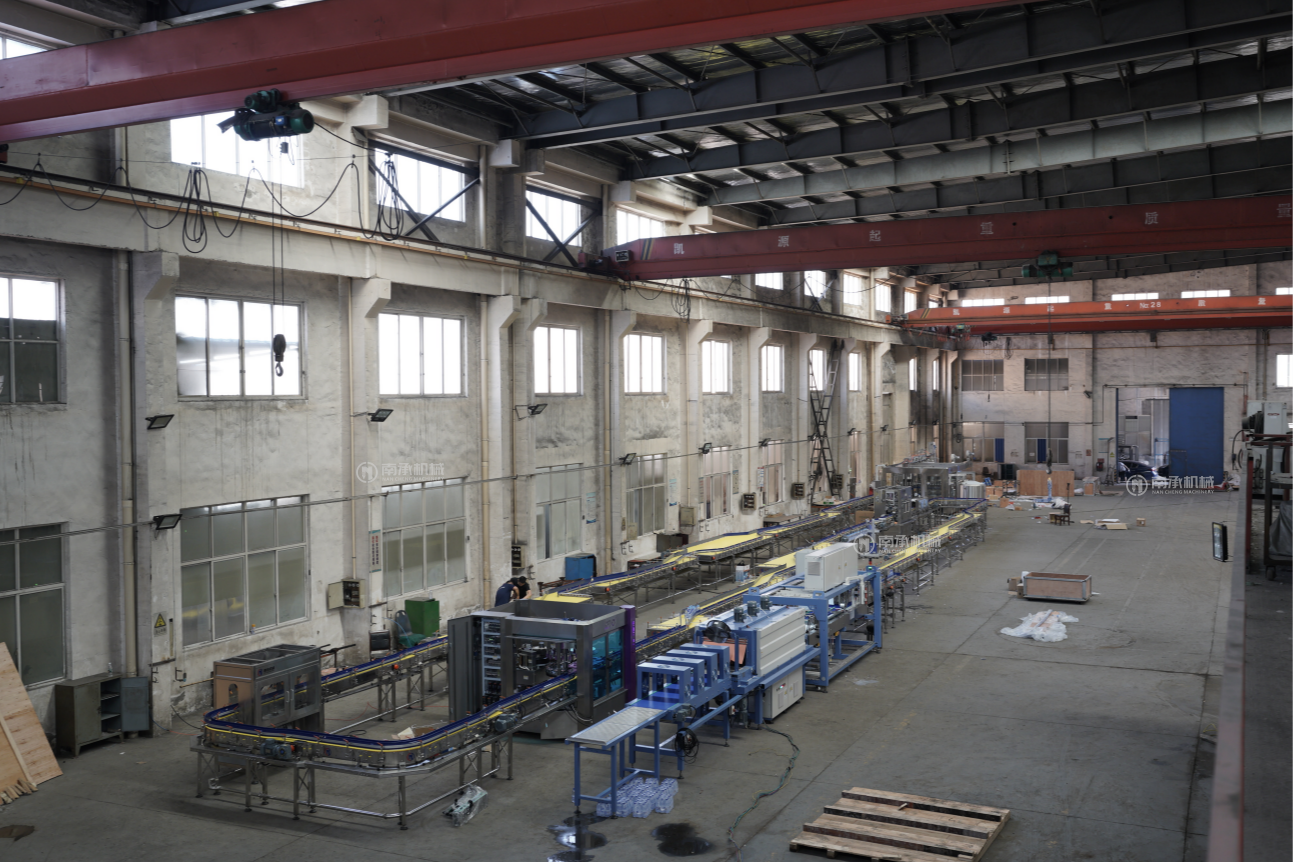
Step 6 — Choose a Facility
Your production facility must:
Meet local zoning and industrial standards
Provide space for equipment, storage, office, and staff
Have reliable utilities — electricity, water, drainage
Typical facility layouts include:
Depending on your capacity, plant space requirements can range from 100–1,000+ square meters.
Step 7 — Quality Control & Standard Operating Procedures
Water bottling is a food industry process, meaning hygiene and quality are paramount.
Your quality control plan should cover:
Routine testing of product batches
Documentation compliant with SANS 241
Hazard analysis and critical control points system
This ensures your brand maintains trust and safety — key competitive advantages.
Step 8 — Hiring & Training Staff
Your production team should include:
Plant manager
Quality control technicians
Operators for filling, labeling, and packaging
Maintenance staff
Sales and distribution teams
Training ensures proper use of machinery and adherence to safety and hygiene standards.
Step 9 — Distribution & Sales Strategy
Your products need a robust distribution ecosystem:
Local retailers
Wholesalers
Direct B2B clients (offices, events)
Supermarkets and convenience stores
Online sales and delivery
A multi-channel approach accelerates market penetration and revenue growth.
Step 10 — Costing & ROI Breakdown
A water bottling plant’s startup costs can be categorized into:
Capital Expenditure (CAPEX)
Operating Expenses (OPEX)
A small-scale plant might cost in the lower hundreds of thousands (ZAR) while larger automated plants can exceed millions — depending on capacity and technology.
Most entrepreneurs aim for ROI within 2–4 years with proper pricing and distribution.
For a detailed investment overview in South Africa, explore: Water Bottling Plant Cost in South Africa–Full Investment & ROI Guide.
Step 11 — Launch & Promotion
Before you open doors:
Conduct soft launches and sampling campaigns
Offer introductory pricing
Engage in targeted local advertising
Partner with retailers and local events
Marketing builds awareness and accelerates sales momentum.
Why Partner with Nancheng Machinery?
Choosing the right equipment manufacturer can make or break your bottling business.
Nancheng Machinery provides:
Proven turnkey water bottling plant solutions
High-quality equipment from purification to packaging
Custom configurations for any capacity need
Professional after-sales support
Whether you’re a first-time investor or scaling up, Nancheng’s expertise helps you build a reliable and efficient bottling line from Day 1.
Learn more about Top 10 Water Bottling Machine Manufacturers in South Africa
Final Tips for Success
✔ Don’t cut corners on quality equipment — it affects long-term performance.
✔ Always secure proper licensing before operations.
✔ Build relationships with local distributors early.
✔ Keep quality compliance at the heart of the business.
✔ Track performance metrics — yield, waste, throughput.
By following this step-by-step plan, your South African water bottling plant will be set for long-term growth, compliance, and profitability. If you’re ready to take the next step into investment or production, let’s build it right — and start turning clean water into thriving enterprise success.
 English
 العربية
 Français
 Русский
 Español
 Português
 Deutsch
 italiano
 Nederlands
 Tiếng Việt
 ไทย
ไทย Polski
 Türkçe
 አማርኛ
አማርኛ Bahasa Melayu
 Filipino
 Bahasa Indonesia
 magyar
 Română
 Čeština
 Монгол
 қазақ
қазақ Српски
 हिन्दी
 فارسی
فارسی Kiswahili
 Slovenčina
 Slovenščina
 Norsk
Norsk Svenska
 українська
 Suomi
Suomi Հայերեն
 Dansk
Dansk اردو
اردو Shqip
Shqip বাংলা
বাংলা Hrvatski
 Eesti keel
 සිංහල
සිංහල नेपाली
 Oʻzbekcha
 latviešu
 Azərbaycan dili
 Български
 ქართული
 Hausa
Hausa Igbo
Igbo Lietuvių
 Soomaali
 Yorùbá


