English


Views: 0 Author: Site Editor Publish Time: 2026-06-02 Origin: Site


Colombia is one of the fastest-growing bottled water markets in South America. With a population exceeding 53 million people, increasing urbanization, rising health awareness, and growing tourism activities, the demand for packaged drinking water continues to expand year after year.
For entrepreneurs and investors looking to enter the beverage industry, bottled water remains one of the most accessible and scalable business opportunities. Compared with carbonated drinks or juice production, bottled water manufacturing requires fewer ingredients, simpler production management, and lower operational risks.
This guide explains everything you need to know about building a water production line in Colombia, including market opportunities, factory planning, equipment selection, investment budgets, ROI expectations, and regulatory requirements.
If you want to build a water production line in Colombia in 2026, the recommended starting capacity is usually between 4,000 and 8,000 bottles per hour (BPH).
A complete bottled water project generally includes:
Most Colombian investors choose a 6,000 BPH production line because it offers an excellent balance between investment cost, operating efficiency, and future expansion potential.
Typical project investment ranges from USD 250,000 to USD 800,000 depending on automation level, bottle sizes, and packaging requirements.

Several factors continue to support strong growth in Colombia's bottled water market.
Consumers are increasingly replacing sugary beverages with bottled drinking water. Health-conscious purchasing behavior is becoming more common, particularly among younger consumers.
Major cities such as Bogotá, Medellín, Cali, Barranquilla, and Cartagena continue to expand, creating stronger demand for packaged drinking water.
Tourism continues to play an important role in Colombia's economy. Hotels, restaurants, airports, and tourist attractions consume significant quantities of bottled water every year.
Unlike seasonal beverages, bottled water enjoys stable year-round demand, making revenue more predictable.
In addition to serving domestic markets, Colombia's strategic location allows producers to explore export opportunities to neighboring countries such as Ecuador, Peru, Panama, and Venezuela.
Choosing the right location can significantly impact operating costs and profitability.
Advantages:
Largest consumer market
Strong distribution network
Higher purchasing power
Challenges:
Higher labor costs
More expensive industrial land
Advantages:
Developed industrial infrastructure
Competitive operating costs
Skilled workforce
Many medium-sized beverage manufacturers choose Medellín as their production base.
Advantages:
Access to major seaports
Export opportunities
Strong tourism sector
Challenges:
Coastal water sources may contain higher salinity levels, requiring enhanced RO treatment systems.
Advantages:
Growing population
Strong logistics connections
Competitive labor costs
For investors targeting western Colombia, Cali is often an attractive option.
Before purchasing equipment, investors should clearly identify their target market.
The most common category.
Water is treated through filtration, reverse osmosis, UV sterilization, and ozone systems before bottling.
Common bottle sizes include:
330ml
500ml
600ml
1L
1.5L
2L
Premium-positioned products sourced from protected natural springs.
These products generally achieve higher profit margins but require stricter regulatory approvals.
This segment serves:
Offices
Schools
Hotels
Residential communities
Many investors appreciate this market because of its recurring customer base.
One of the most common mistakes new investors make is selecting an inappropriate production capacity.
The ideal capacity depends on:
Local market demand
Distribution network
Available investment budget
Expansion plans
Capacity |
Recommended For |
2,000 BPH |
Small startups |
4,000 BPH |
Local market supply |
6,000 BPH |
Regional distribution |
8,000-12,000 BPH |
Established brands |
18,000-24,000 BPH |
National distribution |
For most Colombian entrepreneurs, a 6,000 BPH water bottling line provides the fastest return on investment.
The quality of your water source directly affects both operating costs and equipment requirements.
Advantages:
Stable supply
Easier compliance
Disadvantages:
Ongoing utility costs
Advantages:
Lower long-term water costs
Greater operational independence
Disadvantages:
Initial drilling investment
Advantages:
Premium market positioning
Disadvantages:
More complex licensing requirements
Before selecting equipment, a complete water analysis report should always be conducted.

Water treatment is the most critical section of a bottled water plant.
A typical system includes:
Provides stable water storage.
Removes suspended solids and sediment.
Improves taste and removes chlorine.
Reduces hardness and protects RO membranes.
Provides additional filtration before reverse osmosis.
Removes:
Salts
Heavy metals
Bacteria
Viruses
Provides microbiological protection.
Maintains water quality during storage and filling.
For coastal cities such as Cartagena, enhanced RO configurations may be required due to higher salinity levels.

Every bottled water producer in Colombia must comply with regulations established by INVIMA (Instituto Nacional de Vigilancia de Medicamentos y Alimentos).
The most important requirement is obtaining the appropriate:
This certification authorizes the sale of bottled water products within Colombia.
Investors should prepare for:
Company registration
Facility inspections
Product registration
Water quality testing
Label compliance
Food safety documentation
Working with local consultants can significantly reduce approval timelines.
Most Colombian investors choose to purchase PET preforms and produce bottles on-site using a blowing machine.
Advantages include:
Lower transportation costs
Flexible bottle design options
Better quality control
This approach also reduces dependence on external bottle suppliers.
The filling system is the core of the production line.
A modern water production line typically includes:
Converts preforms into bottles.
Transfers bottles efficiently.
Combines:
Bottle rinsing
Water filling
Cap tightening
into one integrated machine.
When selecting a supplier, investors should focus on:
Reliability
Hygiene standards
Filling accuracy
Spare parts availability
After-sales support
If you are looking for a reliable high-speed automatic water filling machine manufacturer, Nancheng Machinery offers complete solutions ranging from 2,000 BPH to 36,000 BPH.

Packaging significantly influences product appearance and operating costs.
Recommended for medium and high-speed production.
Advantages:
Lower label costs
Attractive appearance
High production efficiency
Suitable for premium brands.
The most popular packaging solution in Colombia.
Advantages:
Lower operating cost
Excellent transportation protection
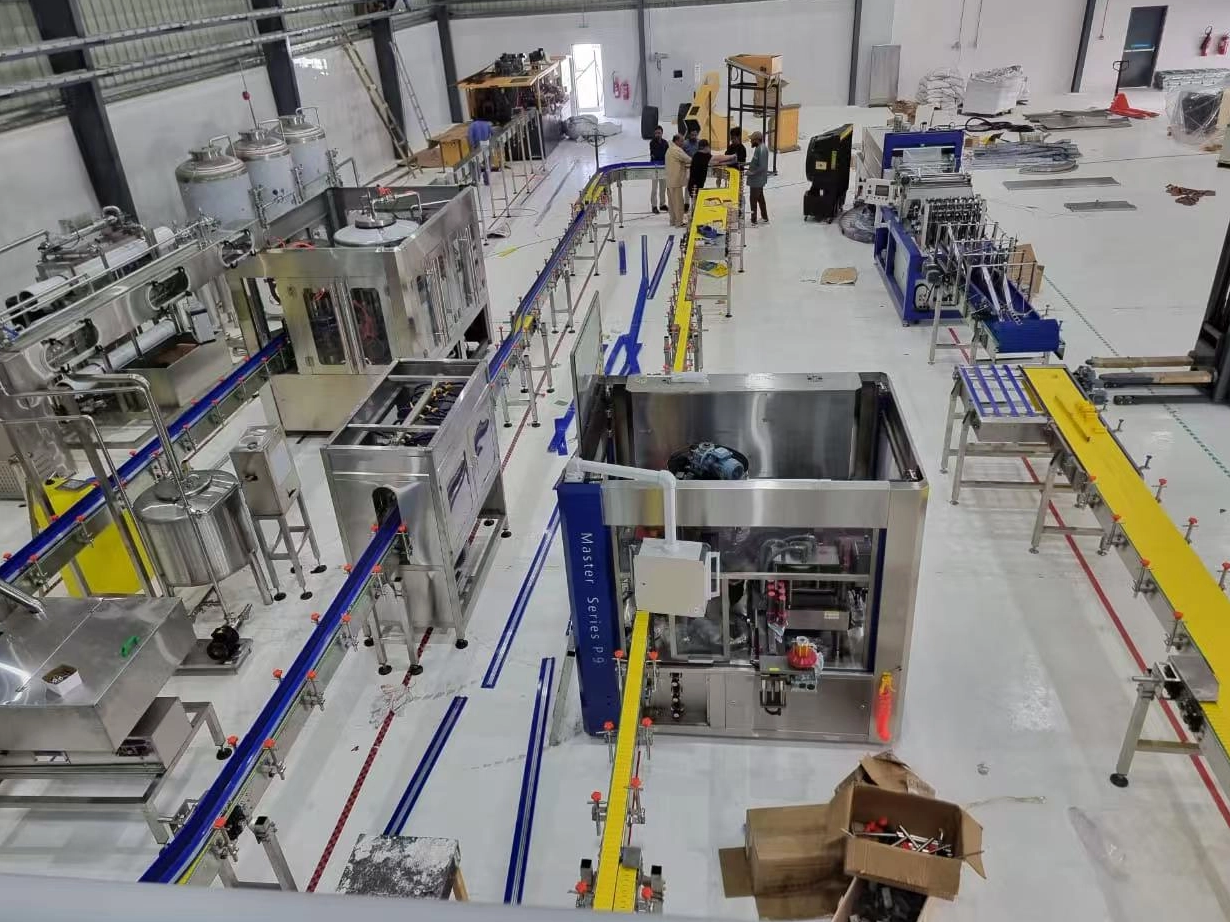
Environmental regulations continue to evolve throughout Latin America.
Forward-thinking investors are increasingly considering:
Reducing resin consumption lowers production costs and environmental impact.
Many international retailers are encouraging the use of recycled PET materials.
Nancheng Machinery equipment can be configured to support lightweight bottle designs and future sustainability requirements.
Building a successful bottled water business requires more than purchasing machinery.
You need an experienced partner capable of providing complete project support.
Nancheng Machinery is a real manufacturer with more than 20 years of experience in water and beverage equipment manufacturing.
Our services include:
Factory layout design
Water treatment engineering
Bottle blowing systems
Filling systems
Labeling solutions
Packaging equipment
Installation
Commissioning
Operator training
After-sales support
Today, our equipment operates in more than 60 countries worldwide.
For investors seeking a complete turnkey water bottling plant solution, we provide customized solutions from project planning to final production startup.
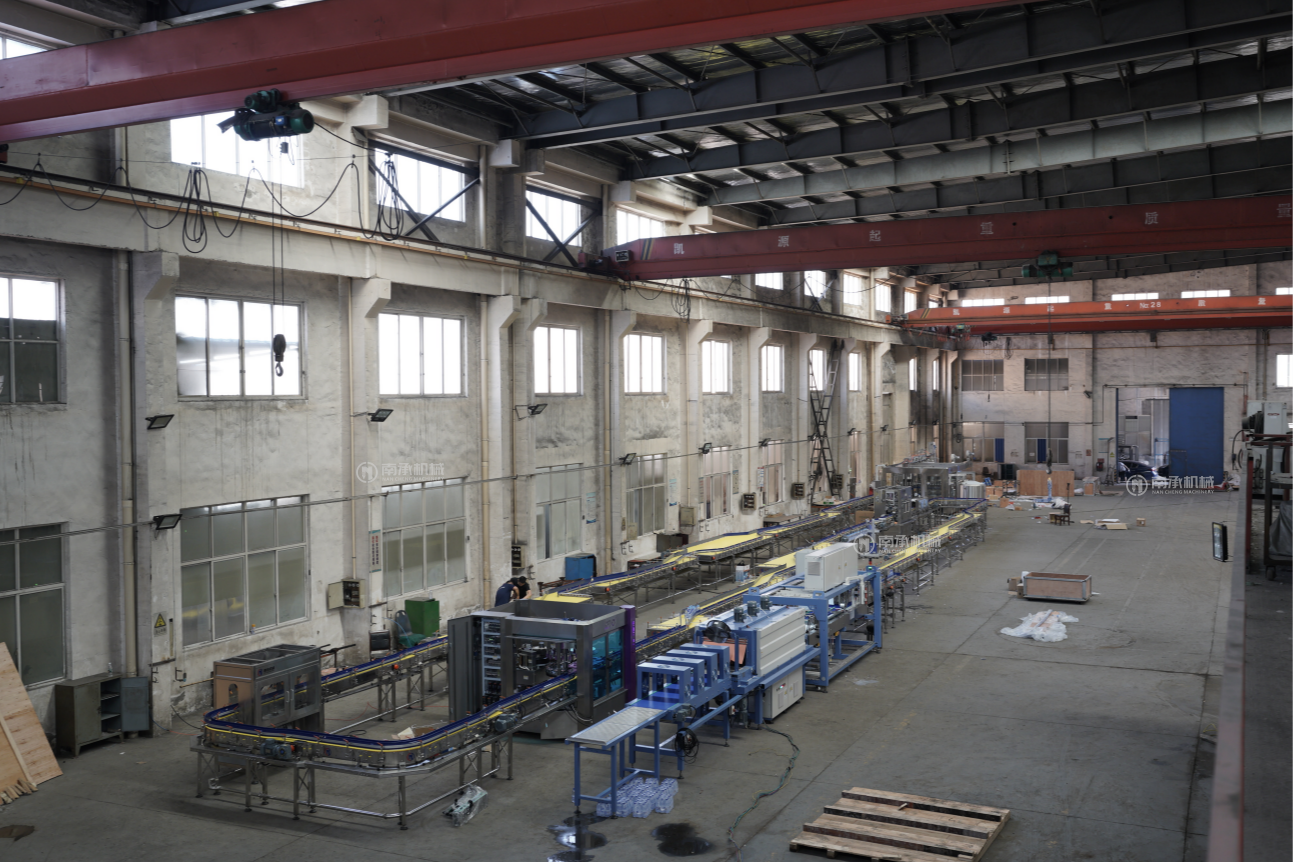
The actual investment depends on capacity, automation level, and local construction costs.
Project Scale |
Capacity |
Investment Range (USD) |
Best For |
Entry Level |
2,000 BPH |
40,000 - 80,000 |
Local supply |
Growth Scale |
6,000 - 12,000 BPH |
180,000 - 350,000 |
Regional distribution |
Industrial Scale |
24,000 BPH+ |
1,000,000+ |
National brands |
For most Colombian entrepreneurs, a 6,000 BPH line provides the best balance between investment cost and production efficiency.
Example:
Assumptions:
8 hours per day
26 working days per month
500ml bottles
Potential monthly production:
More than 1 million bottles.
Depending on local selling prices and distribution channels, many projects can achieve payback periods between 2 and 4 years.
Investors who are evaluating suppliers can also explore our guide to water bottling machine manufacturers in Colombia to compare available solutions and industry expertise.
For a detailed financial breakdown, equipment budget, and profitability analysis, read our water bottling plant cost in Colombia guide.
Colombia offers excellent opportunities for entrepreneurs seeking to enter the bottled water industry. Strong consumer demand, urban population growth, tourism development, and increasing health awareness continue to drive market expansion.
Whether you plan to build a small regional operation or a fully automated industrial-scale facility, success depends on selecting the right location, complying with INVIMA requirements, choosing reliable equipment, and working with an experienced manufacturing partner.
With over 20 years of experience and installations in more than 60 countries, Nancheng Machinery is ready to help Colombian investors build efficient, profitable, and future-ready bottled water production facilities.
The best way to start a bottled water business in Colombia is to begin with detailed market research, secure a reliable water source, obtain the necessary licenses, and invest in a complete bottled water production line. Choosing a professional water bottling machine manufacturer can significantly reduce startup risks and improve long-term profitability.
The investment required for a water bottling plant in Colombia depends on production capacity, automation level, bottle sizes, and packaging requirements. Small-scale projects may start with a modest budget, while fully automated bottled water factories with high-speed water filling machines require a larger investment. Proper equipment selection can greatly impact ROI and operating costs.
A complete bottled water production line typically includes:
RO water treatment system
PET bottle blowing machine
Automatic water filling machine
Bottle capping system
Labeling machine
Shrink wrapping or carton packing machine
Air compressor and conveyor system
These components work together to ensure efficient and hygienic bottled water production.
Yes. With increasing consumer demand for safe drinking water and growing urban populations, the bottled water business in Colombia offers attractive long-term opportunities. Profitability depends on production efficiency, distribution channels, brand positioning, and operating costs. Many investors achieve stable returns when using reliable water bottling equipment and effective marketing strategies.
Most bottled water factories use a combination of multimedia filtration, activated carbon filtration, water softening, reverse osmosis (RO), UV sterilization, and ozone sterilization. The exact configuration depends on the local water source and target product quality requirements. Proper water treatment is the foundation of any successful bottled water plant.
The most common bottle sizes include:
330ml PET bottles
500ml bottled water
600ml bottled water
1L bottled water
1.5L bottled water
5L family-size bottles
20L returnable gallon bottles
Many successful bottled water companies operate flexible filling lines capable of handling multiple bottle formats.
When selecting a water bottling machine supplier, investors should evaluate:
Manufacturing experience
Equipment quality
PLC automation systems
Energy efficiency
Spare parts availability
Technical support
Installation and training services
A reliable water bottling equipment manufacturer can help ensure stable production and lower maintenance costs over the lifetime of the project.
For new investors, capacities between 2,000 BPH and 6,000 BPH are often suitable starting points. As demand grows, companies can expand to 12,000 BPH, 24,000 BPH, or higher. The ideal capacity depends on local market demand, distribution coverage, and investment budget.
Yes. Modern water bottling plants can be configured to produce purified water, drinking water, mineral water, and even flavored water products. The key difference lies in the water treatment process and mineral adjustment system used before filling.
Nancheng Machinery provides complete turnkey solutions for bottled water production, including water treatment systems, bottle blowing machines, water filling machines, labeling machines, and packaging equipment. With extensive international project experience, customized factory layouts, and technical support services, Nancheng helps investors build efficient and scalable bottled water factories tailored to local market needs.


