XGF80-80-20
NANCHENG
Washing Filling Capping
SUS304/316
PLC+ Touch Screen
Mitsubishi/Siemens/Schneider
Engineers Available To Service Machinery Overseas
CE TUV
Bottles
Electric and pneumatic
Automatic
Food, Beverage, Commodity
High-accuracy
motor, Pump, PLC, Gear, Bearing, Gearbox, Other
Jiangsu, China
| Availability: | |
|---|---|
| Quantity: | |
Product Description
A Bottled Water Production Project video gives a clear visual understanding of how bottled water is processed, filled, and packaged for commercial use.
Through a detailed view of each production step—from water purification to final packaging—it becomes easier to grasp the complexity and precision behind a modern water bottling line.
In the video, you can see how automated systems coordinate to ensure smooth bottle movement, accurate filling, hygienic sealing, and perfect labeling.
Such a demonstration helps potential investors and operators evaluate production efficiency, layout design, and automation level before setting up their own project.
The global demand for bottled water continues to grow as consumers seek healthier, safer, and more convenient hydration options.
Setting up a Bottled Water Production Project offers not only commercial opportunity but also control over product quality, branding, and sustainability.
A well-planned project ensures that every drop of water reaching the consumer meets strict hygiene and safety standards.
By integrating purification, filling, and packaging into one continuous process, manufacturers can reduce waste, save labor, and achieve consistent quality output.
For entrepreneurs, it is also a strategic investment in a rapidly expanding beverage segment with strong long-term growth potential.
A Bottled Water Production Project is a complete system that transforms raw or treated water into market-ready bottled products.
It covers every stage of production, from initial filtration to bottle sealing.
Typically, a full project includes:
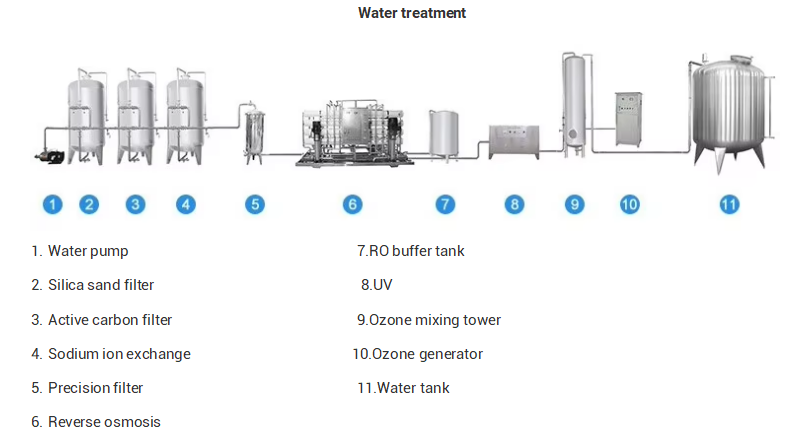
Water treatment section – purifies source water through sediment filtration, activated carbon, reverse osmosis, and UV sterilization.
Bottle manufacturing section – produces PET bottles using preforms and blowing technology.
Filling and capping system – automatically washes, fills, and seals bottles under sterile conditions.
Labeling and packaging unit – applies labels, codes, and wraps bottles for distribution.
These processes are carefully synchronized by programmable logic control systems to ensure stability, efficiency, and hygiene at every step.

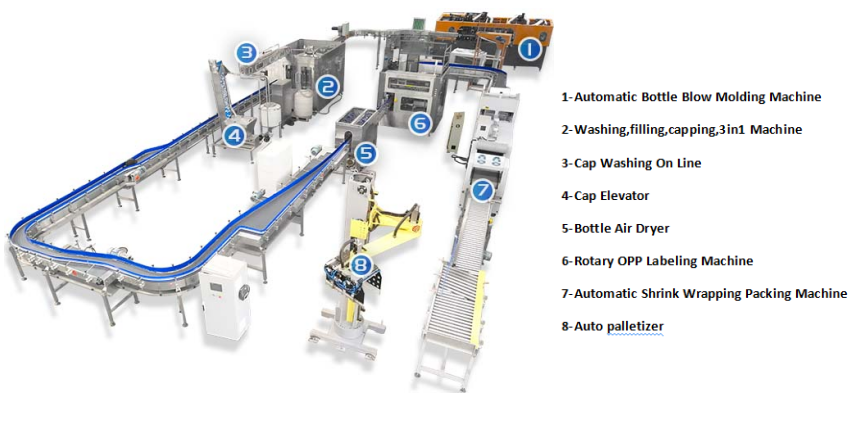
A 3D layout design plays an important role in the planning of a Bottled Water Production Project.
Before installation, engineers create a digital layout showing how each section of the line will be positioned within the factory.
This helps optimize space, material flow, and power connections while preventing future bottlenecks in operation.
It also allows business owners to visualize the full production process — from raw water input to final product output — and adjust the layout to match their building structure and workflow.
Well-designed layouts improve efficiency, reduce operator movement, and make maintenance easier, ensuring the long-term stability of the production system.
Modern Bottled Water Production Projects are built around high-speed, precise, and hygienic equipment.
A typical production line can reach capacities of 2,000 to 24,000 bottles per hour depending on machine configuration and bottle size.
Advanced filling technology ensures minimal product loss, accurate liquid levels, and reliable capping performance.
All contact parts are made of food-grade stainless steel, meeting global safety standards.
Energy-saving motors, automatic lubrication, and intelligent sensors further enhance performance and reduce operational costs.
For investors, choosing a high-performance project means faster returns and greater production flexibility.
When looking for a Bottled Water Production Project for sale, it is important to consider not only price but also system integration, after-sales service, and scalability.
A complete project includes everything from water purification systems to packaging machines, conveyors, and control software.
Different configurations are available to suit small startups, regional bottlers, or large-scale factories.
By selecting the right model and capacity, businesses can expand production according to market growth without major future investment.
The project can also be adapted for different water types — such as purified water, mineral water, spring water, or alkaline water — depending on local source conditions.
For a successful Bottled Water Production Project, several supporting machines and systems are often included:
RO Water Purification System – for removing impurities and minerals.
Bottle Blowing Machine – for manufacturing lightweight PET bottles.
Rinsing-Filling-Capping Machine (3-in-1) – for integrated production.
Automatic Labeling and Packaging System – for branding and logistics.
CIP Cleaning System – for maintaining hygiene and extending equipment life.
These units can be configured as a complete line or combined with existing equipment to upgrade production capacity.
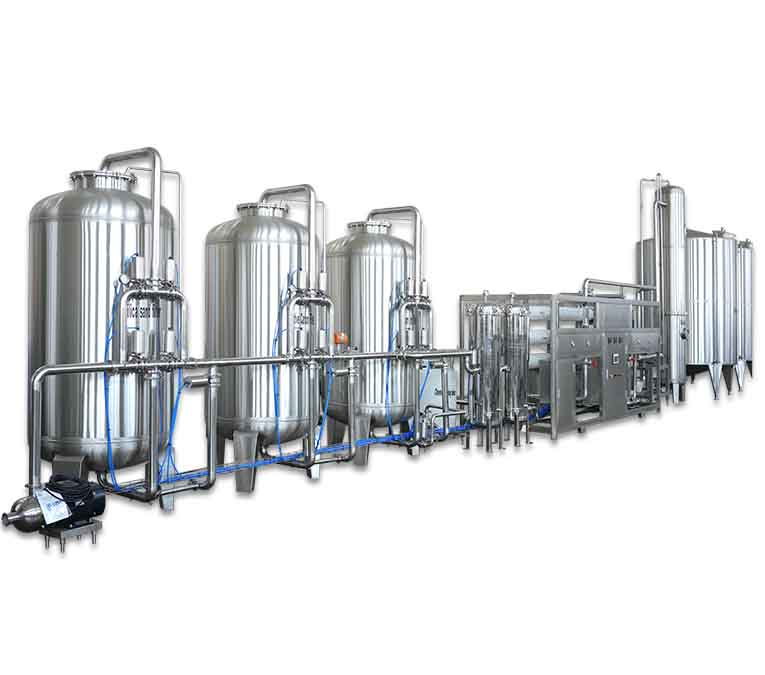
water purification system
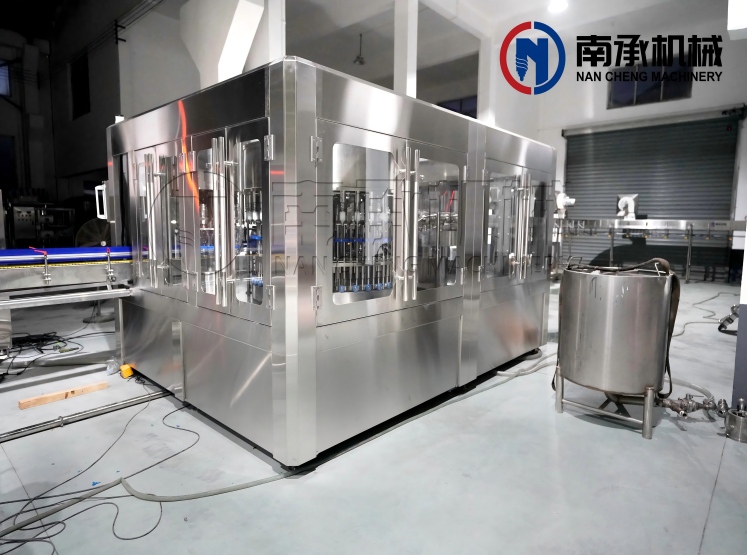
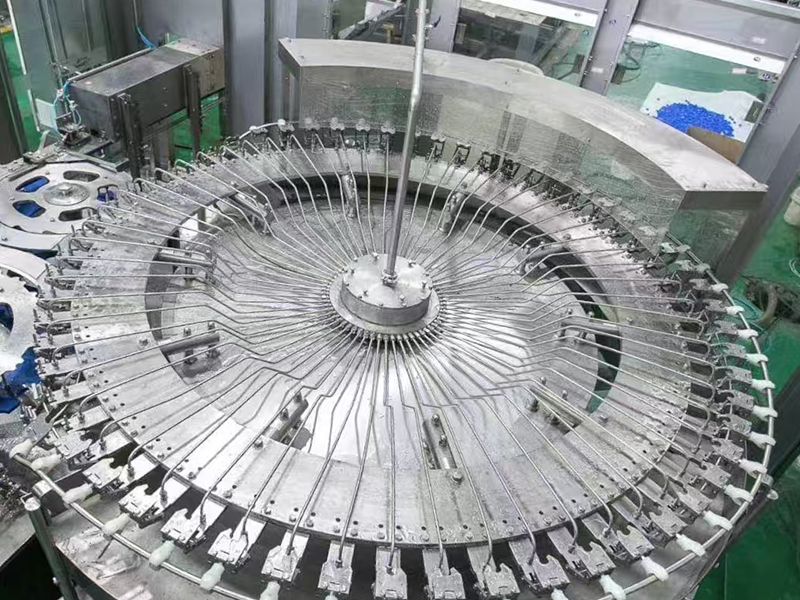
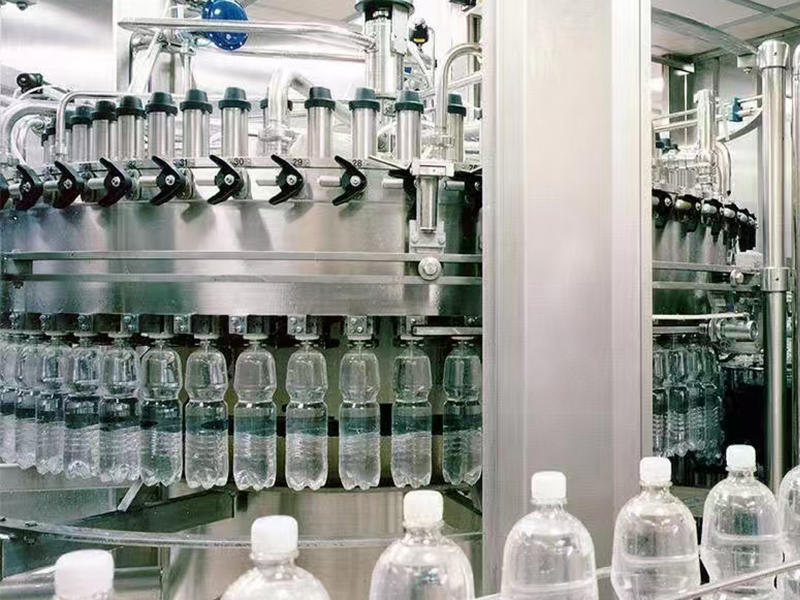
water filling machine
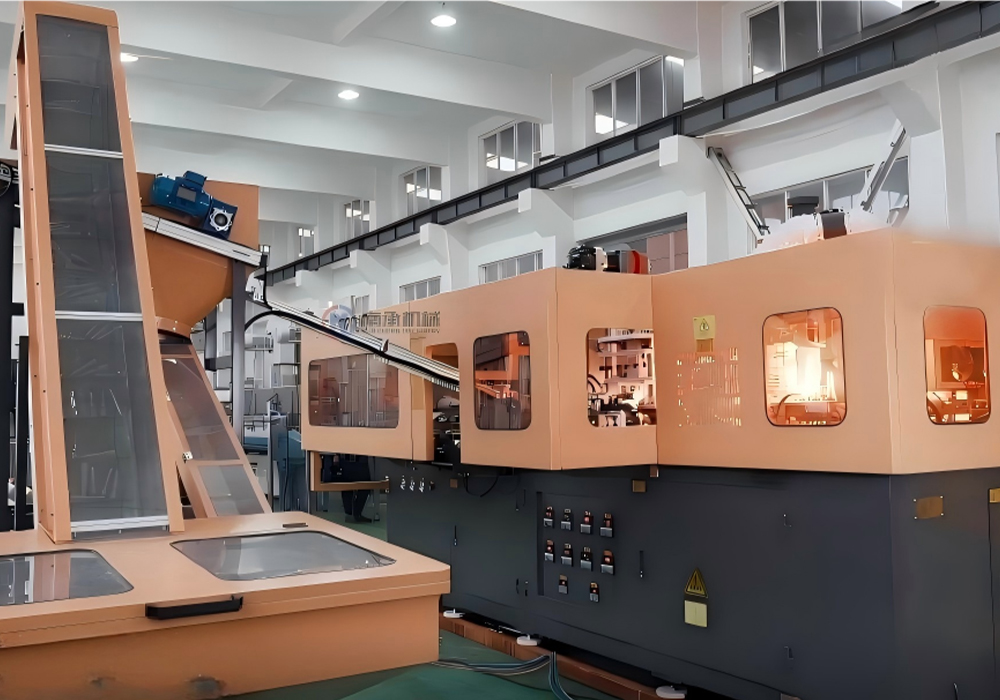
bottle blowing machine
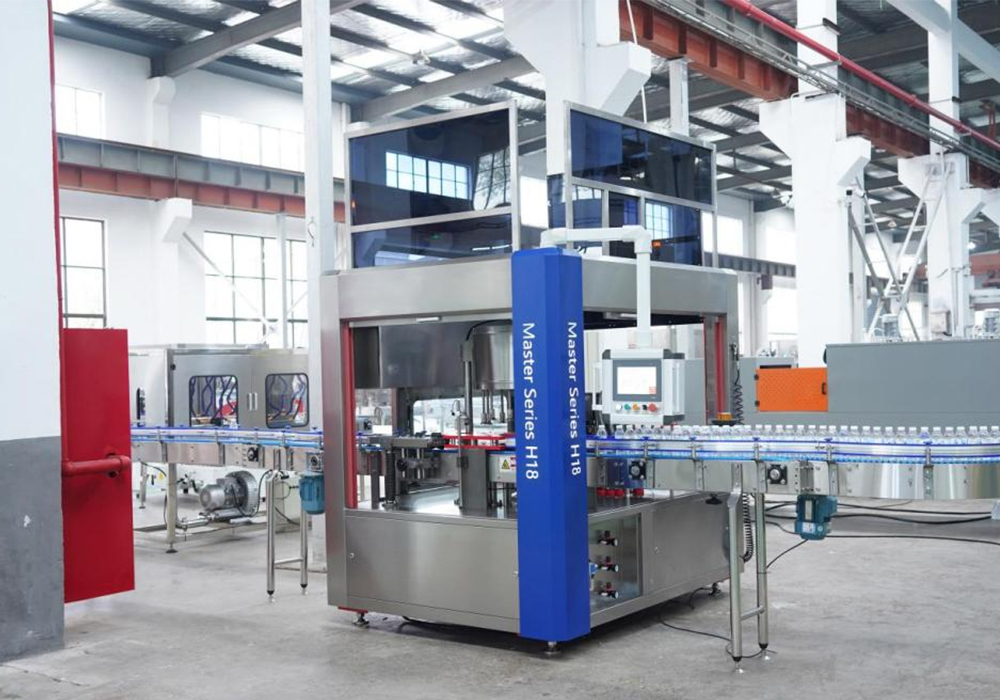
labeling machine
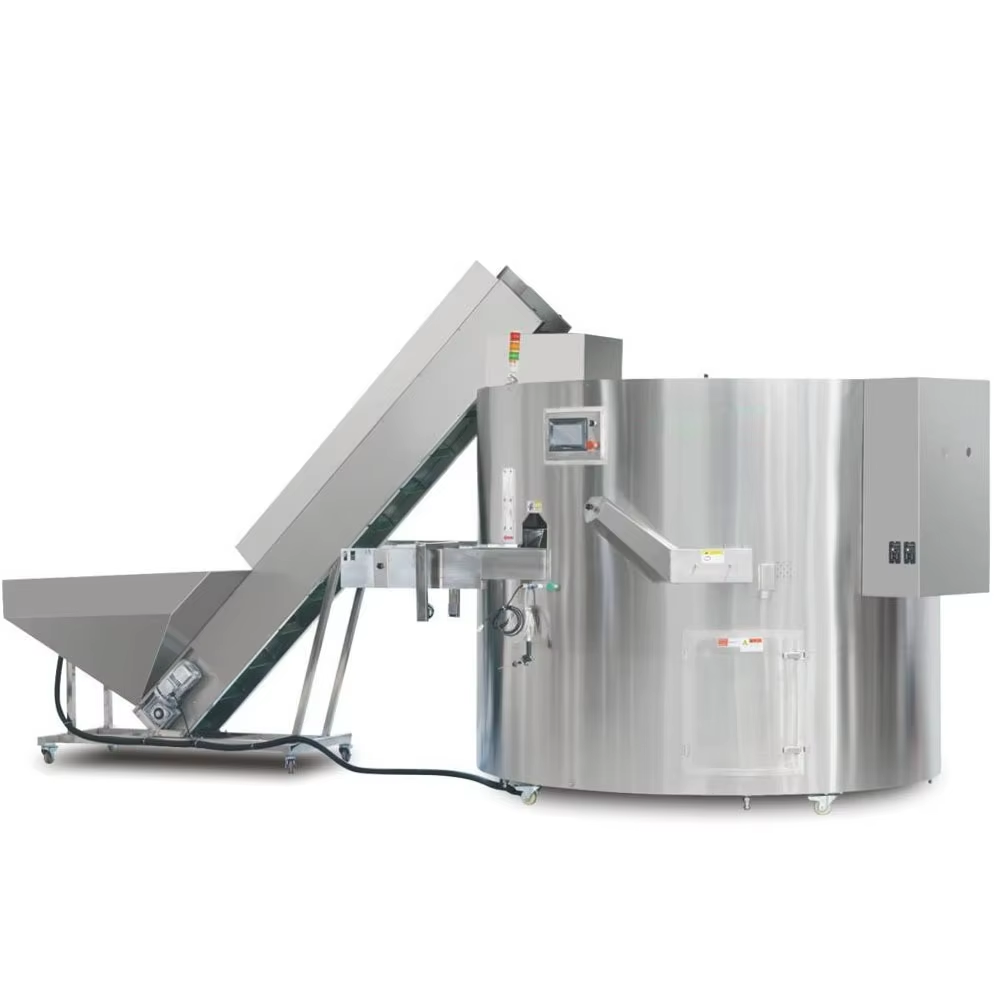
bottle unscrambler
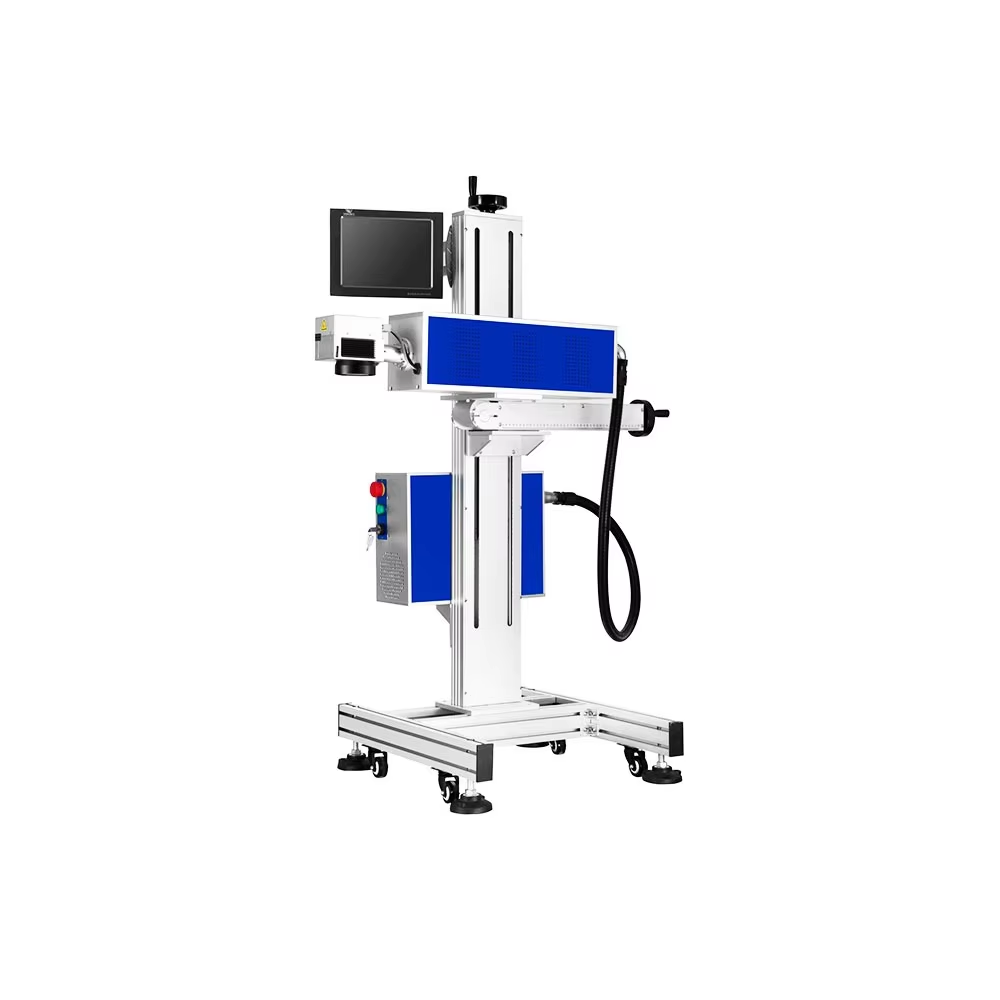
laser printer
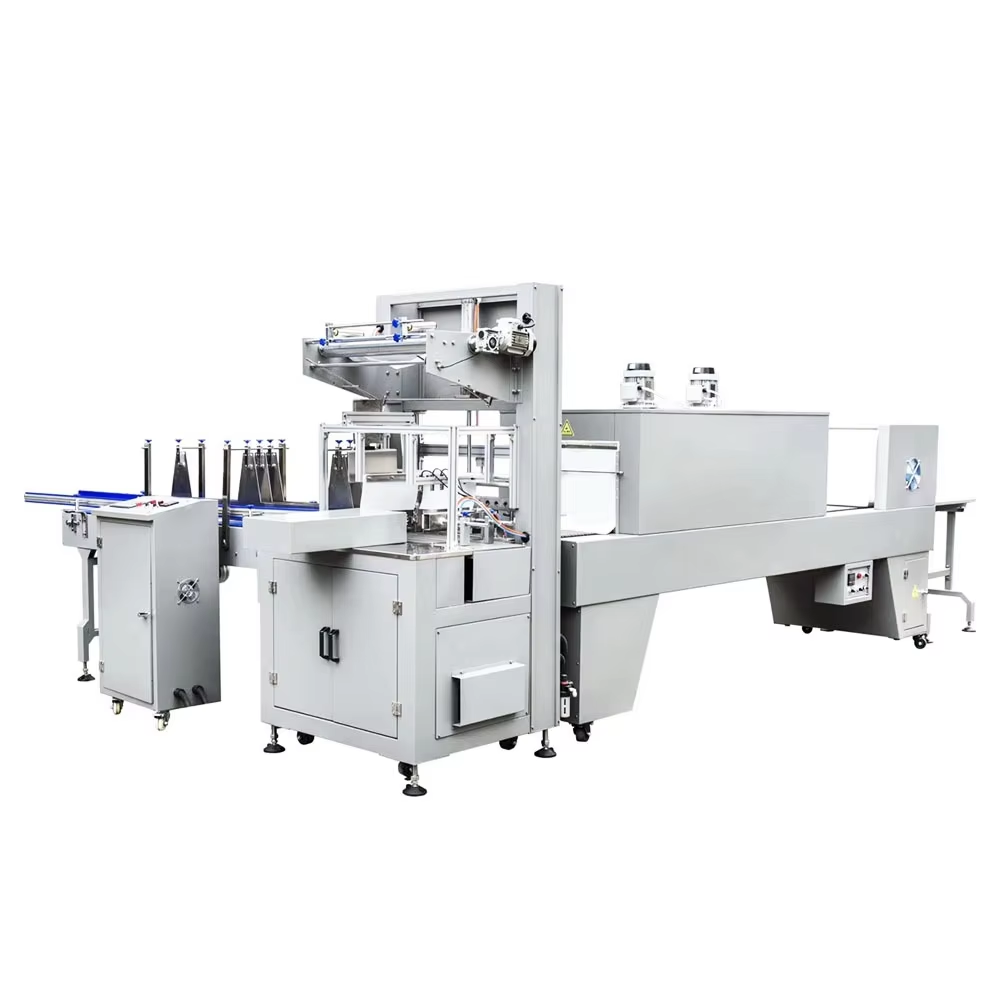
pe film packing machine
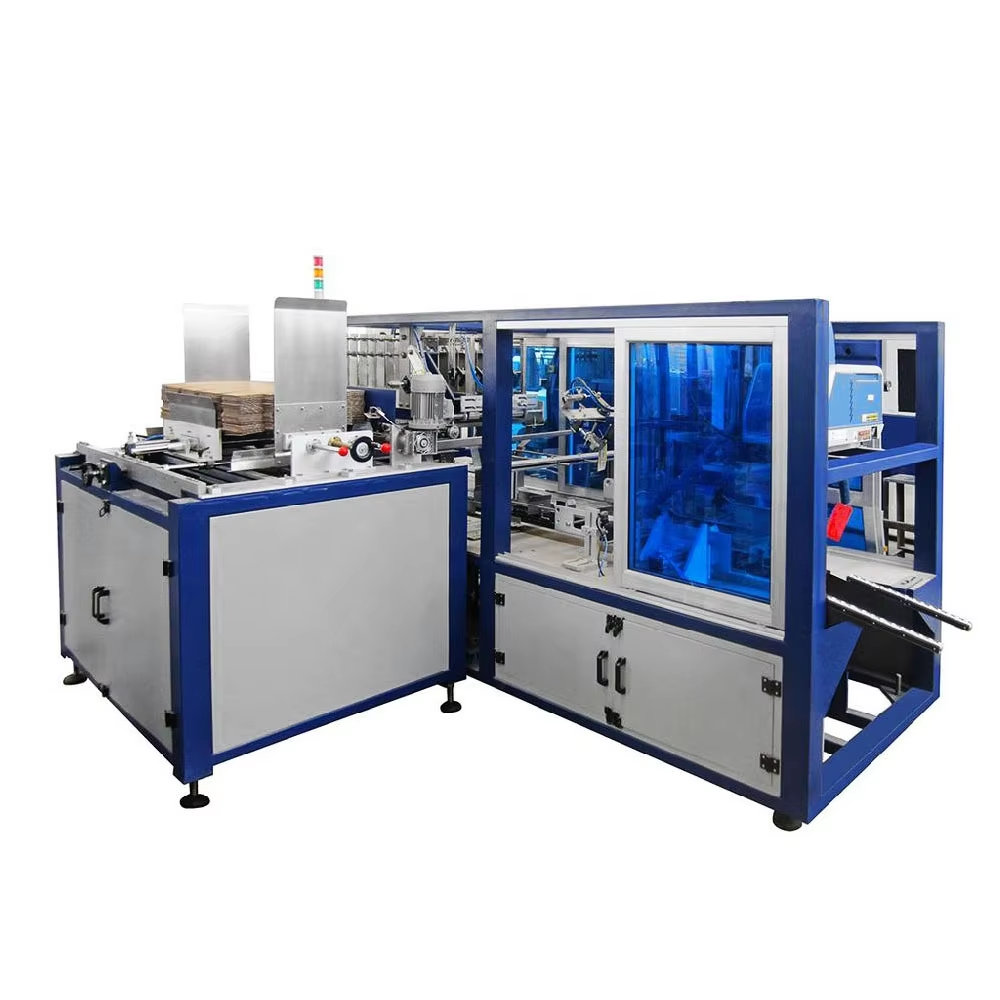
carton caser
A Bottled Water Production Project is designed to deliver consistent output under stable working conditions.
Most systems can handle bottles ranging from 200 ml to 2 liters and are compatible with PET, glass, or HDPE containers.
The filling temperature can be adjusted according to production needs, and advanced control systems automatically regulate pressure, speed, and liquid volume.
Optional modules such as date coding, film wrapping, and carton packaging can be added for a complete production solution.
In addition, modern production lines are designed with environmental considerations — lower water consumption, reduced CO₂ emissions, and recyclable materials.
washing part
filling part
capping part
air conveyor
flat conveyor
3 in 1 filling
custom filling valve
semi-electronic filling valve
high speed filling valve
Item |
Specification |
Model |
XGF80-80-20 |
Rinsing Heads |
80 |
Filling Heads |
80 |
Capping Heads |
20 |
Filling Volume |
200–2000 ml |
Capacity (BPH, 500ml) |
42,000 |
Power (kW) |
25 |
Dimension (mm) |
4800×4290×3300 |
Weight (kg) |
18,000 |


The beverage industry is a crucial part of the consumer goods sector, encompassing a wide range of products and playing an important role in people's daily lives. Here is an introduction to the beverage industry and its main products:
Carbonated Beverage Filling Machine: It is suitable for filling various carbonated beverages such as carbonated soft drinks, soda water, sparkling water, and flavored sodas. The equipment integrates bottle rinsing, isobaric filling, and capping into one unit, and adopts isobaric filling technology to effectively retain carbon dioxide. It has a high degree of automation, a compact structure, and is easy to maintain, with a filling speed ranging from 10,000 to 48,000 bottles per hour.
Juice Beverage Filling Machine: Generally, it adopts normal pressure filling technology. It can be used for filling various pure fruit juices, juice blends, and other products. The filling machine has a high degree of automation, which can realize automatic bottle feeding, filling, and capping. It can also be equipped with functions such as liquid level detection and automatic control to ensure the accuracy and stability of filling.
Wine Filling Machine: Wine filling machines are divided into different types according to different wine varieties and packaging forms. For example, for bottled wine, it usually adopts a filling - capping integrated machine, which can complete the processes of bottle washing, sterilization, filling, and capping. When filling, in order to avoid excessive contact between wine and air and prevent oxidation, it often adopts a nitrogen - filled or vacuum - filling method.
Beer Filling Machine: It is used for the filling, washing, and sealing of beer in glass bottles. It uses a sensor as a speed regulator and adopts the isobaric filling principle and spring valve to control the quality of the beverage. The filling heads adopt a neck - holding filling method, and the capping heads use magnetic capping, which can meet the filling - sealing requirements of different capping methods, with a production capacity of 2,000 to 20,000 bottles per hour.
Gallon Filling Machine: It is mainly used for filling 3 - 5 - gallon large - barrel drinking water. The production line is composed of three parts: bottle washing, filling, and sealing. The washing machine uses multiple - stage washing liquid spraying and disinfectant spraying. The filling machine can automatically perform raw water pre - flushing, potion disinfection flushing, dripping control, circulating water flushing, external flushing, clean water flushing, and automatic filling. The capping machine can automatically cap, with a production capacity of 150 to 2,000 barrels per hour.
Every bottling factory has unique requirements — factory space, water source, bottle design, and production scale all vary.
That’s why a Customized Bottled Water Production Project ensures the best operational results.
Engineers adjust the system layout to optimize space, reduce energy usage, and simplify maintenance.
Automation levels can also be configured to fit different budgets, from semi-automatic setups to fully automatic industrial lines.
Customization not only enhances productivity but also supports future expansion, ensuring the project remains efficient and competitive for years to come.

Company Profile


As a professional water bottling plant manufacturer, we specialize in the design, production, and optimization of complete beverage filling and packaging systems.
Our product line covers water filling machines, juice filling machines, carbonated drink filling machines, beer bottling machines, oil and sauce filling machines, as well as capping, labeling, and packaging equipment for various liquid products.
With over 20 years of experience in the liquid filling and packaging industry, we have built a reputation for delivering reliable and cost-effective solutions to global clients.
Each system is designed with precision to ensure high output, easy operation, and long service life.
To meet the diverse requirements of different production facilities, we offer fully customized bottling and packaging systems that integrate smoothly into existing operations.
Whether you’re starting a new bottled water plant or upgrading your current production line, our engineering team will design a solution tailored to your capacity, bottle size, and factory layout.
We put our customers first — providing not only machines, but complete turnkey bottled water plant solutions that help businesses grow efficiently and sustainably.
Water Bottling Plant
5 Gallon Water Filling Machine
Carbonated Drink Filling Machine
Juice Filling Machine
Oil Filling Machine
Shampoo Filling Machine
Liquid Soap Filling Machine
Detergent Filling Machine
Paste Filling Machine
Sauce Filling Machine
Honey Filling Machine
Ketchup Filling Machine
Cream Filling Machine
Lotion Filling Machine
Chemical Filling Machine


FAQ
A Bottled Water Production Project is a complete system designed to transform raw water into safe, clean, and market-ready bottled water. It includes water treatment, bottle production, filling, capping, labeling, and packaging, all integrated for efficient operation.
Typically, a full project includes:
Water Treatment System – purifies raw water to meet drinking standards.
Bottle Blowing Machine – produces PET bottles from preforms.
Rinsing-Filling-Capping Machine – automatically cleans, fills, and seals bottles.
Labeling & Packaging System – applies labels and prepares bottles for shipment.
Each component is designed to work together for high efficiency and hygienic operation.
Bottled water production lines can vary from 2,000 to 42,000 bottles per hour, depending on the machine model, number of filling heads, and bottle size.
Small-scale lines are suitable for startups, while large-scale lines serve industrial production needs.
Most Bottled Water Production Projects handle PET, glass, or HDPE bottles.
Standard filling volumes range from 200ml to 2L, with customizable options for specialty bottles or larger sizes.
Yes. Every project can be tailored to your factory space, desired output, bottle type, and production requirements.
Customization may include automation level, layout design, capping types, labeling methods, and optional modules like date coding, film wrapping, or carton packing.
Bottled water projects can handle:
Purified Water – common for drinking water bottles.
Mineral Water – retains natural minerals from the source.
Spring Water – natural water from springs.
Alkaline or Functional Water – for health-conscious products.
The water treatment system can be adjusted according to the source water quality.
The total cost depends on capacity, equipment configuration, automation level, and factory layout.
Smaller lines are more affordable for startups, while large-scale industrial lines require higher investment but offer faster returns due to higher output.
Regular cleaning and sterilization of the water treatment and filling systems.
Scheduled maintenance of motors, pumps, and sensors.
Staff training for machine operation and safety procedures.
Modern projects are designed for ease of operation and minimal labor, with automated monitoring and control systems.
Installation typically takes 2–6 weeks, depending on line complexity, capacity, and factory readiness.
This includes equipment assembly, commissioning, testing, and operator training to ensure smooth production.
Most modern projects meet international standards, including:
CE Certification (European safety standard)
Food-grade material compliance for all contact parts
These certifications ensure safety, reliability, and acceptance in global markets.
Ready to Build Your Beverage Plant?